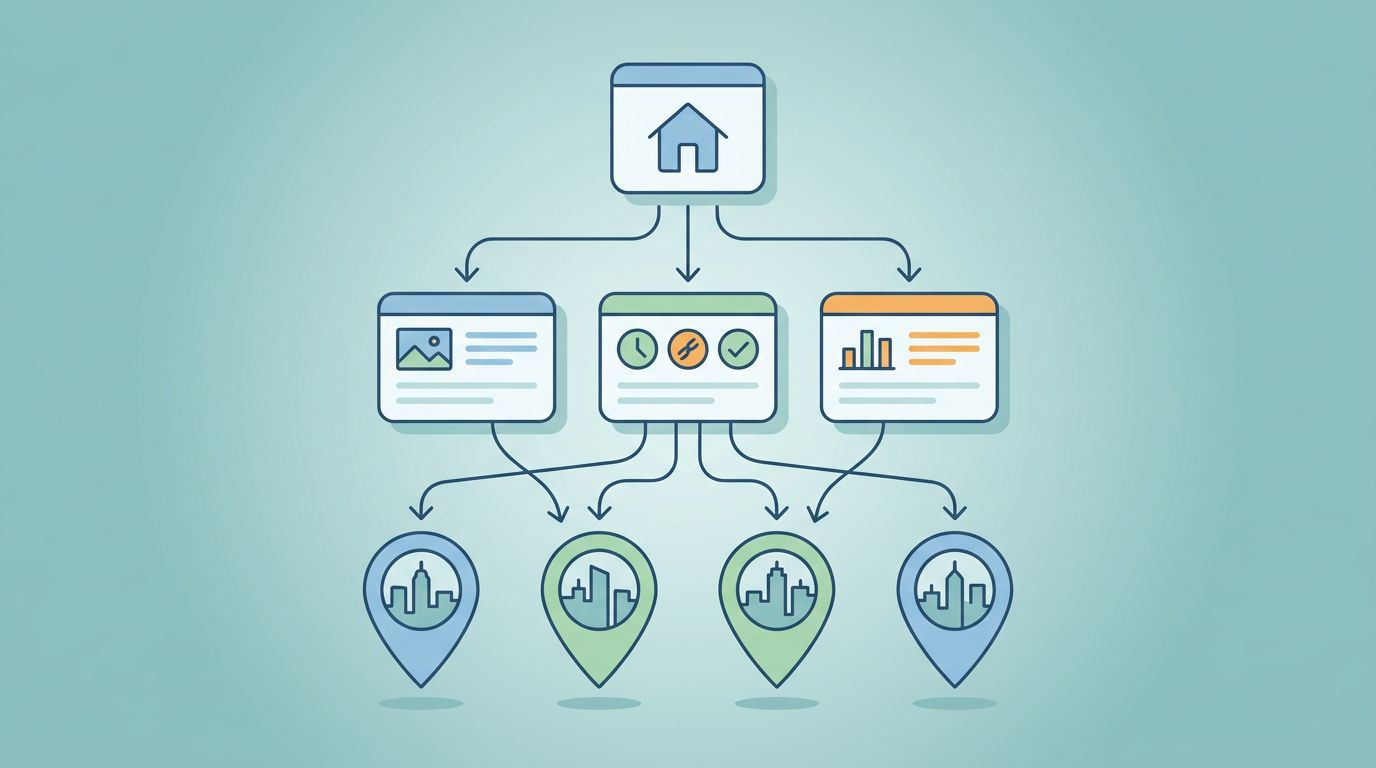
For small business owners eager to boost their online presence, understanding SEO best practices is crucial. A well-optimized website can significantly increase visibility and drive more traffic, leading to potential growth. With factors like website design and user experience playing pivotal roles, it’s essential to focus on creating a site that is both visually appealing and easy to navigate. Responsive web design and effective content management systems are also key components in ensuring your site meets modern web development trends. Let’s explore how these elements can help your business rank higher and connect with more customers online.
Boosting Your Website’s Visibility

To get your business noticed online, boosting your website’s visibility is essential. This section will guide you through some pivotal aspects of enhancing your online presence, ensuring your website stands out in search results.
Importance of SEO Best Practices
SEO best practices are crucial for maximizing your site’s visibility. Effective SEO strategies can significantly impact how your website ranks in search engine results. Utilizing these practices involves understanding keyword placement, meta tags, and backlinks.
Useful resources like the Google SEO Starter Guide provide foundational knowledge. Implementing these strategies helps ensure that your website is accessible and relevant to search engines.
SEO isn’t static. It’s vital to stay informed about updates and changes. Engaging with communities, like Reddit’s webdev section, can offer insights and tips from seasoned professionals.
Enhancing User Experience
Improving user experience (UX) is about making your website intuitive and enjoyable. A good UX ensures visitors can easily find the information they seek, which encourages longer site visits and repeat traffic.
Design plays a critical role in UX. A clean layout, intuitive navigation, and fast loading times are essential elements. Streamlining these elements minimizes frustration and enhances usability.
Consider Google’s guide on optimizing local business presence for more UX tips. This resource offers advice on improving engagement by tailoring user experiences to meet specific audience needs.
Website Design Tips for Success
Website design is more than aesthetics—it’s about function and form working together. The design should align with your brand while providing an optimal user interface that guides visitors seamlessly through your site.
Key design tips include:
- Consistency:Maintain uniformity in fonts, colors, and styles.
- Responsiveness:Ensure your site functions well on all devices.
- Simplicity:Avoid clutter and focus on essential elements.
For more practical guidance, Why Optimize? offers valuable insights. They emphasize the importance of balancing creativity with functionality in web design.
Mastering Content and Design

Mastering the blend of content and design is vital for compelling online presence. This section explores tools and strategies that help create a cohesive, engaging website.
Leveraging Content Management Systems
Content Management Systems (CMS) simplify website management, making it easier to update and maintain content. Popular CMS platforms like WordPress and Joomla offer user-friendly interfaces, even for those with limited technical skills.
Advantages of CMS include:
- Flexibility:Easily update content without coding knowledge.
- Scalability:Adapt and grow your site as your business expands.
- Customization:Access a wide range of plugins and themes to enhance functionality.For further assistance, refer to the SEO Starter Guide for integrating SEO with CMS platforms efficiently.
Responsive Web Design Essentials
Responsive web design ensures your website delivers a consistent experience across various devices. This adaptability is crucial as more users browse the web on mobile devices.
To achieve responsive design:
- Use flexible grids and layoutsthat adjust to screen sizes.
- Incorporate media queriesin your CSS to apply styles based on device characteristics.
- Optimize images and other mediafor faster loading on all devices.
Responsive design significantly enhances user experience, which can positively impact your SEO efforts and rankings.
Current Web Development Trends
Staying ahead of web development trends can keep your site competitive. Trends may include new coding languages, design aesthetics, or interactive content.
Key trends to consider:
- Voice search optimization:Adapting your content for voice-activated searching.
- AI integration:Utilizing AI for chatbots and personalized user experiences.
- Minimalistic design:Emphasizing simplicity and functionality.
- Regularly reviewing industry updates ensures your website remains relevant and engaging.
Optimizing for Better Rankings
Optimizing your website is an ongoing process. This section will provide techniques and strategies to improve your rankings continually.
Website Optimization Techniques
Website optimization involves enhancing various site elements to improve performance. Faster loading times, improved accessibility, and streamlined navigation are crucial.
Techniques to consider:
- Compress imagesto reduce load times.
- Use browser cachingto store static files locally.
- Implement SSL certificatesto ensure security and trust.
Visit Why Optimize? for more detailed strategies tailored to small businesses.
Staying Updated with SEO Changes
SEO is ever-changing. Algorithms evolve, and staying informed about these changes is crucial. Regularly monitoring SEO news and updates can keep your strategies effective.
Steps to keep updated:
- Subscribe to SEO blogs and newsletters.
- Participate in online forums and communities.
- Attend webinars and workshops on SEO trends.
Such proactive steps can ensure your website remains optimized according to the latest standards.
Calls to Action and Engagement
Calls to action (CTAs) are crucial for guiding visitors toward desired actions, such as making a purchase or subscribing to a newsletter. Clear, compelling CTAs can enhance engagement and conversion rates.
Effective CTAs include:
- Clarity:Ensure the action is straightforward and understandable.
- Placement:Position CTAs prominently on your pages.
- Urgency:Use time-sensitive language to motivate immediate action.
For additional advice, explore Google Business Support to enhance engagement through strategic CTA implementation.