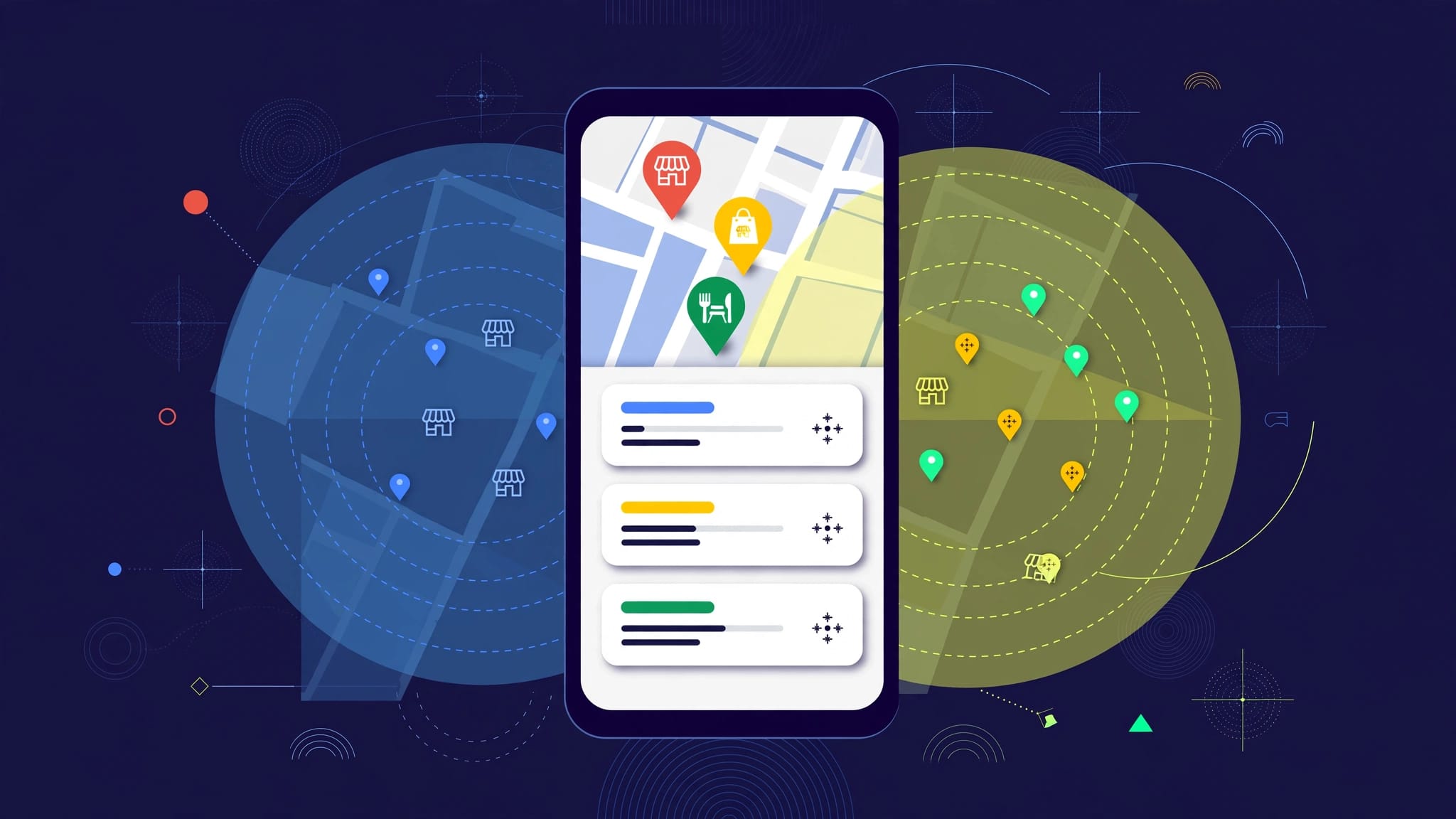
For most small businesses, local link building is not about chasing hundreds of low-quality connections. Instead, success comes from earning a smaller number of links from websites that customers, search engines, and nearby organizations already trust. Earning these quality backlinks is critical for improving your search rankings and gaining visibility in competitive organic search results.
This shift is essential in 2026. As search results become more crowded and AI summaries reduce the number of easy clicks, your strategy must evolve. Because local buyers still want proof that your company is real, active, and well-known in your community, these efforts should be viewed as a central pillar of your broader local SEO strategy. The good news is that the best local links usually come from genuine relationships you can build, rather than shortcuts you can buy.
Key Takeaways
- Prioritize Local Relevance: In 2026, successful link building focuses on geographic relevance and community trust rather than vanity metrics like high domain authority.
- Fix Your Foundation First: Before conducting outreach, ensure your Google Business Profile is accurate and your website is optimized for speed, mobile usability, and NAP (Name, Address, Phone) consistency.
- Leverage Existing Relationships: The highest-quality local links often come from genuine business connections, such as chamber of commerce memberships, supplier directories, and local sponsorships.
- Create Local Resource Assets: Earning links is easier when you publish helpful, location-specific content—like city-specific guides or neighborhood checklists—that local publishers and bloggers naturally want to reference.
- Track Business Outcomes: Focus your KPIs on meaningful results, such as referral traffic, direction requests, and converted leads, rather than just the raw number of backlinks acquired.
What local link building means now
General link building is a broad endeavor where you seek links from relevant websites across the internet. In contrast, local link building is much more focused and practical. It involves earning backlinks from businesses, community groups, local publications, directories, and organizations that are explicitly tied to the geographic areas you serve.
That distinction is vital for both your organic search results and your overall map visibility. A strong link profile supports the prominence factor in local SEO, providing Google with concrete evidence that your business is an integrated part of a real neighborhood rather than a generic website with a service area tacked on.
This is why a listing in a chamber of commerce, a sponsor page on a community site, or a mention from a neighborhood association can punch well above its weight. While these sources may not offer the high domain authority seen in national media outlets, the geographic context is powerful. In local markets, relevance often outweighs raw metrics when competing for placement.
A link from within your local community also tends to send more relevant traffic. Someone clicking from a town festival page, a youth sports sponsor list, or one of your local directories is already primed to become a lead. These visitors are not just browsing out of curiosity; they are nearby, they are already interested in your services, and they bring a pre-existing sense of trust.
If you want a solid outside perspective on this, SeoProfy has a helpful local link building guide that also stresses local and niche relevance over vanity metrics.
The goal is not to collect links like baseball cards. The goal is to build a believable web of local proof that connects your business to the people who need you most.
Start with the signals you control
Before beginning any outreach, you must fix the technical foundation. A business with weak signals usually struggles to earn high-quality backlinks because the destination page does not inspire confidence in potential publishers. A healthy link profile relies on a site that demonstrates authority and reliability to both search engines and the local community.
Your Google Business Profile should be complete, current, and consistent with your website. This is essential for improving your visibility in the map pack. Ensure that your business name, address, phone number, hours, categories, photos, and website URL are uniform across all platforms. Some owners attempt to insert extra keywords into their business name, but you should avoid this. It creates unnecessary risk and muddies the trust signals that search engines use to verify your identity.

Your website also has to carry its share of the work. If pages load slowly, look outdated, or bury your contact information, your link building efforts will not solve the underlying performance issues. Because local SEO often drives traffic from mobile devices, your visitors expect a fast, seamless experience. A mobile-friendly site, short contact forms, real photos, and obvious call buttons are critical for conversion.
A few cleanup tasks pay off early:
- Claim the major profiles that still matter, such as Bing Places, Yelp, the Better Business Bureau, Apple Business Connect, and any niche directory relevant to your industry.
- Audit NAP consistency across these citations. Using tools like BrightLocal and WhiteSpark is still the most efficient way to identify and fix data mismatches, which act as important ranking factors.
- Add location-specific pages if you serve more than one city, but ensure each page provides unique, valuable content.
- Mark up each location page with local business schema and keep your contact details clearly visible.
This step is not glamorous, but it supports every link you earn later. When someone at a local chamber of commerce, school fundraiser, or community newspaper checks your business, they should find a polished site and a complete profile. By establishing this consistency, you provide the signals necessary to rank better and earn the trust of your neighbors.
The local partnerships that earn the best links
Small businesses usually overlook the easiest sources for local link building because they do not think of them as SEO assets. Instead, they view them as normal business relationships, which is exactly why they are so effective for acquiring high-quality backlinks.
Start with community partnerships and sponsorships. If you use sponsorships to support a youth sports team, donate to a fundraiser, host a school event, or fund a neighborhood cleanup, ask for a website mention with a link. The request is reasonable because you are already contributing to the local community. The link is simply a digital version of the thank-you banner at the field. These sponsorships act as a foundation for building trust within your immediate area.
Next, look at your business network. Suppliers, manufacturers, distributors, and software vendors often maintain partner directories, installer locators, or where to buy pages. A roofing contractor might get listed by a shingle manufacturer, or a therapist might get a profile through professional industry associations. These local directories and partner pages provide backlinks that are highly relevant, trusted, and often lead directly to sales.
Chambers of commerce, merchant groups, downtown associations, and local business groups also remain excellent options. Membership fees vary, but the link, referral exposure, and networking value often justify the cost. For many businesses, one closed job from this outreach covers the annual fee. Furthermore, these memberships often lead to natural citations that solidify your presence in the eyes of search engines.
This quick comparison helps sort the options:
| Link source | Typical effort | Typical cost | Business value |
|---|---|---|---|
| Chamber or business association | Low | Low to medium | Trust, referral traffic, local relevance |
| Community sponsorship | Medium | Low to medium | Strong visibility, local goodwill |
| Supplier or manufacturer directory | Low | Usually none | High topical relevance |
| Event or speaker page | Medium | Low | Good link context, brand exposure |
| Neighborhood organization resource page | Medium | Usually none | Hyper-local trust |
The best links often come from pages that also have real people behind them. RyRob’s advice on link building through partners fits that reality well.
A good rule is simple: if the relationship would still matter without Google, it is probably a good link prospect. By focusing on genuine sponsorships and community engagement, you build a digital footprint that is both sustainable and beneficial for your growth.
Use digital PR to get mentioned nearby
Local digital PR sounds bigger than it is. For most small businesses, it means giving local media, podcasts, and community sites a real reason to talk about you. By focusing your digital PR strategy on providing genuine value, you can build authority within your community.
New hires, expansions, charitable work, anniversaries, community classes, local data, and seasonal advice can all become stories. A pest control company can share a regional mosquito trend report. A plumber can offer winter pipe-freeze guidance before the first cold snap. A family law firm can comment on a state policy change for a local business journal. Through thoughtful outreach to local news sites and local bloggers, you can earn high-quality backlinks that demonstrate your expertise to search engines.
If there isn’t a real story or useful information, don’t force a press release.
This is where social media helps, even though social links are not the same as backlinks. Journalists, event organizers, and podcasters often discover businesses through LinkedIn, Instagram, Facebook groups, and local threads. A well-timed post about an event, study, or community project can lead to an email from someone who runs a website that does link.
Don’t overlook podcasts and local newsletters. Show notes, guest pages, and speaker bios often include a link. Those links also create branded search demand because people hear your name and look you up later. That matters when Google decides which businesses look established. When you secure brand mentions in local media outlets, these signals tell search engines that your business is an active, established presence in your area.
There is one more easy win here: reclaim unlinked mentions. Set Google Alerts for your brand name and watch for citations that mention you without linking. A short, polite email often fixes that. When the article already mentions your business, the hard part is done.
Publish local resources people want to reference
The strongest local links often go to pages that provide genuine value to the community, rather than pages designed solely for ranking purposes. This is where content assets become a vital part of your long-term link building strategy.
A useful asset is something a nearby site would be glad to recommend. Think about the questions your customers ask before they ever reach out to you, and then answer those questions with specific local detail. By creating these resource pages, you naturally attract backlinks from local bloggers, school newsletters, or local news sites that want to provide their readers with helpful information.
A few examples work across many industries. Home service companies can publish city-specific storm prep guides, permit summaries, or neighborhood service maps. Medical practices can create local insurance FAQs, while real estate teams can build moving checklists tied to specific school districts and commuter routes. Restaurants can even publish event-night parking tips or local allergy-friendly dining guides.
When you incorporate these into your local link building efforts, you are building more than just traffic. You are establishing local authority and improving your site-wide domain authority. A neighborhood association may link to your safety checklist, or a local business directory might feature your guide. These resource pages remain one of the cleanest ways to earn citations because the link match feels natural and earned.
W3era’s roundup of budget-friendly small business link tactics points to the same pattern: links follow helpful, locally relevant content.
AI can speed up research, organize notes, and draft rough outlines. It should not publish the final page by itself, however. Thin AI copy is easy to spot, and it rarely attracts links. The same goes for your outreach emails. Use AI to save time, then rewrite the final version in your own voice to ensure it resonates with local partners.
After the click, your lead capture has to be ready. If you use chat bots for quick questions or voice receptionists to catch after-hours calls, connect those tools to the pages you promote. A link that drives traffic but misses leads is only half a win.
Tactics that waste money or create risk
Some link tactics still show up in pitches because they are easy to sell. They are not easy to recover from.
Mass directory submissions are the first trap. A few strong citations matter, but hundreds of low-quality listings fail to provide the meaningful backlinks or authority your site needs. They create cleanup work, not momentum. The same goes for low-grade guest blogging on random blogs that exist only to sell space. If your guest blogging strategy involves posting on irrelevant, low-quality sites, you are wasting resources that could be better spent elsewhere.
Buying links is another bad bet. So is swapping links at scale. A strategic partner link between complementary local businesses can make sense. A messy web of you link to me, I link to you pages does not.
Be careful with fake locality, too. Virtual offices, keyword-stuffed business names, and thin city pages can drag down trust. Google has become better at spotting profiles that look local on the surface but do not hold up under review. These shortcuts often damage your site’s ranking factors, ultimately harming your long-term local SEO efforts.
A simple filter helps:
If a link would look strange to a customer, skip it.
Local SEO still rewards relevance, consistency, and proof. It does not reward shortcuts for long.
A simple 90-day plan for small teams
Most small businesses see better results from a consistent link building strategy than from a single, high-pressure campaign. Ninety days is enough time to see real movement in your search rankings if your efforts are focused.
- In weeks 1 and 2, clean up your foundation. Fix your Google Business Profile, audit your major citations, and ensure your location pages, mobile speed, and contact paths are optimized. Perform a competitor analysis to see which local directories they are featured in that you are missing. Track your baseline numbers in Google Search Console, your business profile dashboard, and your call or form reports.
- In weeks 3 and 4, build a prospect list. Include chambers of commerce, business associations, local schools, neighborhood groups, event calendars, supplier directories, and community blogs. Add names, contact pages, and the specific reason your business is a natural fit for each site.
- In weeks 5 through 8, start your outreach. Ask event sponsors for listings, apply for membership directories, request supplier placements, pitch podcast appearances, and reclaim unlinked mentions to gain valuable backlinks. Keep your emails short. One clear ask beats a long life story.
- In weeks 9 through 12, publish one high-quality local resource asset and promote it to your network. Finally, review which parts of your local link building efforts gained traction. Double down on the tactics that produced the best links, new phone calls, or direction requests.
Keep everything in one sheet or CRM. Track the target page, outreach date, status, live URL, and the business result. That last column matters most. A link from a neighborhood event page that sends two paying customers is worth more than a link from a site that sends none.
If you want help turning that into a focused outreach plan, book a No-cost discovery call.
KPIs that show if the work is paying off
Link building gets messy when you track the wrong things. Domain ratings are fine for context, but they are not the scoreboard.
Look first at new local referring domains and backlinks. Count links from chambers, local media, community groups, suppliers, associations, and regional directories. Then look at your Google Business Profile actions, especially calls, direction requests, and website visits. If your local SEO efforts are working, these signals should improve alongside your visibility in the map pack.
Watch organic search results and impressions on the pages you are promoting. Search Console is still the easiest way to spot page-level gains. Pair that with search rankings for your core service and city terms, but do not obsess over small daily shifts. Local results change by device, location, and search history.
Lead quality matters more than raw traffic. Track form submissions, calls, booked appointments, and close rates by landing page to see if you are attracting relevant traffic. If one sponsor link sends fewer visitors but more sales, keep it. That is a better result than a traffic spike with no revenue.
Response time also affects outcomes. Many local businesses win or lose the lead after the click. If after-hours traffic is part of your link building strategy, your AI tools should support fast follow-up. Chat bots can handle simple questions, and voice receptionists can answer when staff is unavailable. Those tools do not build links directly, but they help ensure your hard-earned traffic converts into real leads.
A healthy campaign usually shows gradual growth, not overnight jumps. More local mentions, better brand searches, steadier map visibility, and higher converting traffic are the signs worth watching.
Frequently Asked Questions
How does local link building differ from traditional link building?
Traditional link building focuses on acquiring links from high-authority sites regardless of location to boost global domain metrics. Local link building is far more targeted, prioritizing links from neighborhood organizations, local media, and area-specific business groups to prove to search engines that your business is an active, trusted member of the local community.
Why should I avoid buying links or using mass directory submissions?
Buying links and participating in mass directory spam violates search engine guidelines and carries a high risk of penalties that can permanently damage your rankings. These low-quality tactics do not provide genuine trust signals and are easily detected by Google, meaning they offer no long-term value for your local SEO efforts.
How long does it take to see results from a local link building campaign?
While small gains can appear sooner, a consistent 90-day plan is typically required to see noticeable movement in your search rankings and map visibility. Local SEO is a compounding process where steady, high-quality community engagement builds a sustainable foundation for long-term growth.
What should I do if a local website mentions my business but doesn’t include a link?
This is a classic ‘unlinked mention’ opportunity that is very easy to fix. Simply reach out to the site owner or editor with a polite, short email thanking them for the mention and asking if they would be willing to add a hyperlink to your website to make it easier for their readers to find your services.
Conclusion
The best local links in 2026 still come from real-world trust. Community ties, business relationships, useful local content, and steady follow-up beat flashy tactics every time. By grounding your link building strategy in your local community, you create a sustainable foundation for long-term growth.
When your website, profiles, and outreach efforts all point in the same direction, local link building becomes a core pillar of your broader local SEO efforts. You are not trying to fool Google; you are providing clear evidence that your business deserves to dominate local search rankings. Ultimately, these high-quality backlinks signal relevance and authority, helping you secure a prominent position in organic search results and connecting you with the customers who need your services most.