
Customer communication has changed dramatically over the past decade, with businesses constantly seeking better ways to connect with their audience. Among the most exciting developments, AI call agents have emerged as a game-changing technology that combines artificial intelligence with human-like conversation skills. These intelligent virtual call center agents represent more than just another automation tool—they bridge the gap between cutting-edge technology and genuine human connection.
Perhaps you’re wondering how these systems actually work or what makes them different from traditional phone systems. AI call agents use sophisticated voice bot technology and conversational AI software to create interactions that feel natural and personal. Unlike the frustrating automated phone systems of the past, these advanced solutions can understand context, handle complex requests, and respond with the kind of nuance you’d expect from a skilled human representative.
This comprehensive guide will walk you through everything you need to know about AI call agents, from their core technologies to real-world applications across different industries. You’ll discover how these systems can transform your customer service approach, boost lead conversion rates, and integrate seamlessly with your existing digital marketing strategy. At EarningCoach Marketing, we’ve seen firsthand how businesses can leverage AI call agents to position themselves as “The Only One” in their market, creating distinctive customer experiences that competitors struggle to match.
What Exactly Are AI Call Agents?
AI call agents represent a significant leap forward from traditional IVR systems and basic automated phone systems. These intelligent virtual agents combine multiple technologies to handle phone conversations with remarkable sophistication. Think of them as highly trained customer service representatives who never need breaks, never have bad days, and can handle dozens of conversations simultaneously while maintaining consistent quality.
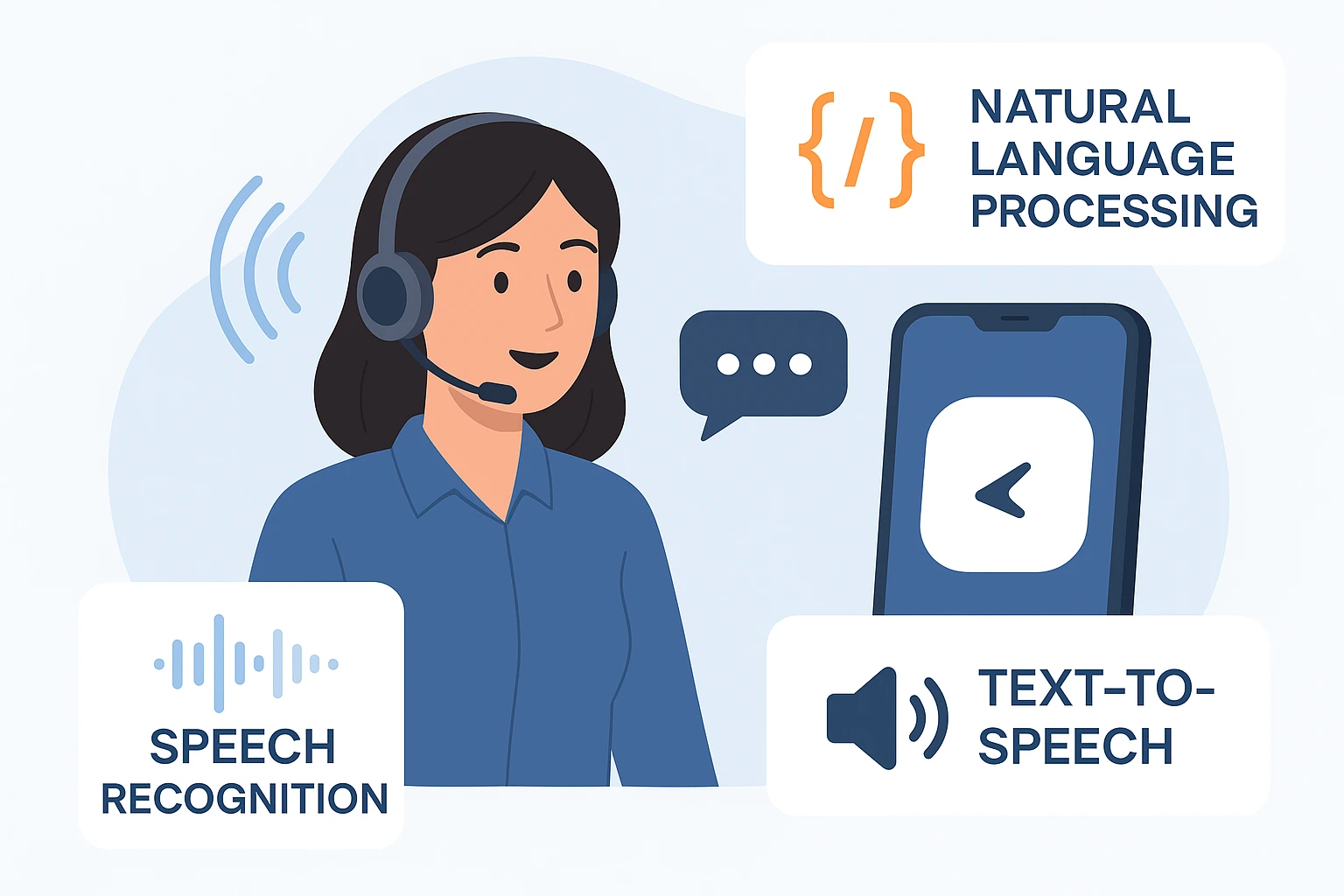
The foundation of these systems rests on three core technologies working together seamlessly:
- Natural language processing allows them to understand what callers are actually saying, not just recognize specific keywords
- Speech recognition technology converts spoken words into digital information the system can process
- Text-to-speech capabilities then generate responses that sound natural and conversational, avoiding the robotic tone that made older systems so frustrating
- What sets modern AI call agents apart is their ability to understand context and intent throughout entire conversations. They can remember what was discussed earlier in the call, ask clarifying questions when needed, and even detect emotional cues in a caller’s voice. This contextual awareness means they can provide relevant, helpful responses rather than simply following rigid scripts.
These systems excel at handling both inbound and outbound calls across various scenarios. Whether someone is calling to schedule an appointment, inquire about services, or seek support for a problem, AI call agents can manage these interactions professionally. They integrate with CRM systems to access customer history and ensure every conversation builds on previous interactions, creating a cohesive experience that reflects your brand’s commitment to quality service.
How Do AI Call Agents Work? The Core Technology Explained
The magic behind AI call agents lies in sophisticated technology working behind the scenes to create seamless conversations. When a caller speaks, the first step involves Automatic Speech Recognition (ASR) technology, which converts their spoken words into text with remarkable accuracy. Modern ASR systems can handle different accents, speech patterns, and even background noise, making conversations feel natural regardless of the caller’s speaking style.
Once the system has converted speech to text, Natural Language Processing and Understanding (NLP/NLU) take over. These technologies go far beyond simple keyword recognition to grasp the actual meaning and intent behind what someone is saying. The system analyzes sentence structure, context clues, and conversational patterns to understand not just what words were spoken, but what the caller actually wants or needs.
Large Language Models (LLMs) serve as the conversational brain of these systems. They manage multi-turn conversations, maintain logical flow, and generate appropriate responses based on the conversation’s context. These models have been trained on vast amounts of conversational data, allowing them to understand nuanced communication patterns and respond in ways that feel genuinely helpful and human-like.
The final piece involves Text-to-Speech (TTS) technology, which converts the system’s responses back into natural-sounding speech. Advanced TTS systems can adjust tone, pace, and inflection to match the conversation’s mood and maintain engagement throughout the interaction.
What makes these systems truly impressive is their ability to handle interruptions and conversation changes gracefully. If a caller interrupts mid-sentence or suddenly changes topics, the AI can adapt without losing track of the conversation’s purpose. This flexibility ensures that interactions remain smooth and productive, even when conversations take unexpected turns.
Key Capabilities and Features That Set AI Call Agents Apart
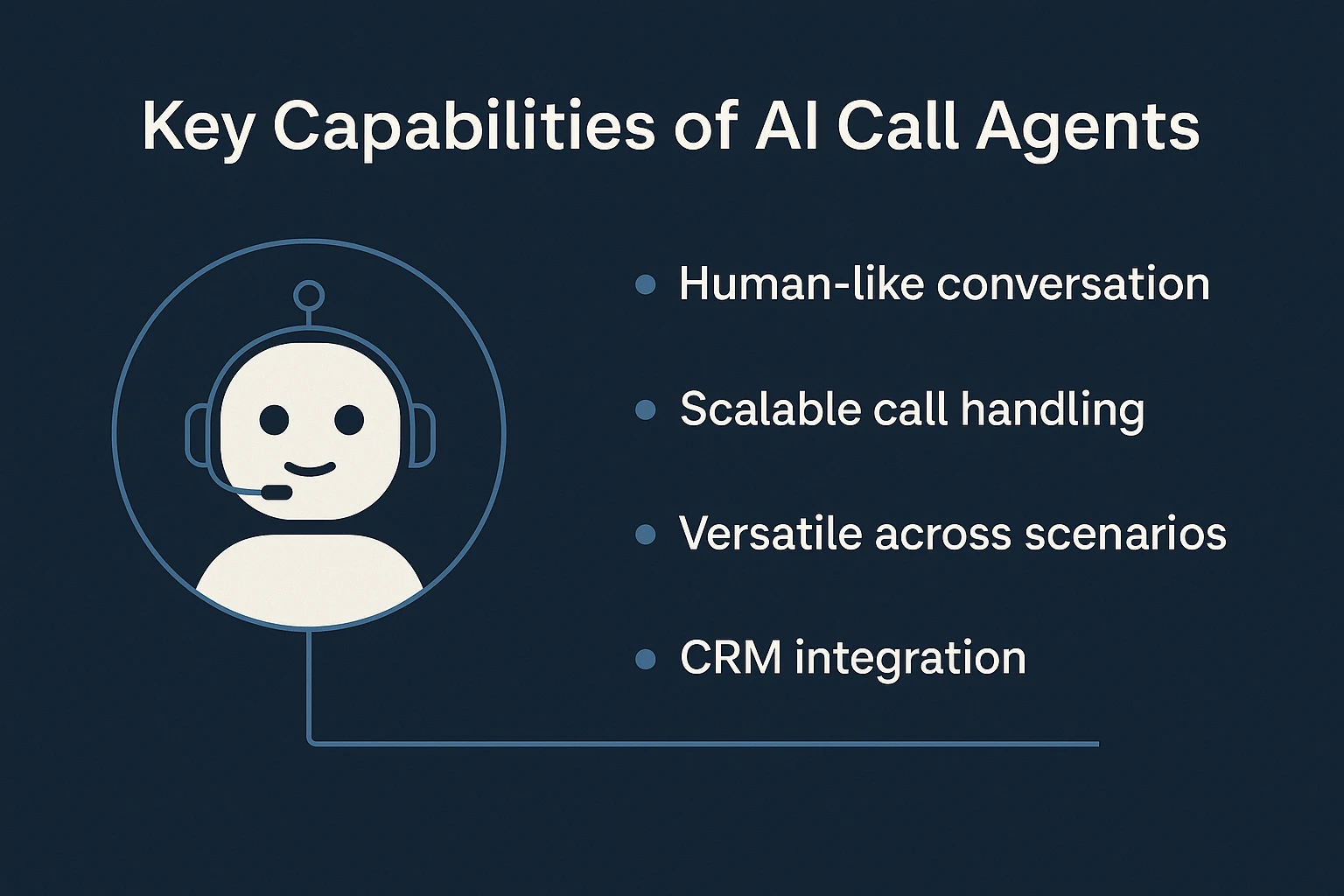
Modern AI call agents offer capabilities that fundamentally change how businesses handle customer interactions. Their most striking feature is the ability to engage in genuinely human-like conversations that leave callers feeling heard and understood. These systems can pick up on conversational cues, respond to emotional context, and maintain the kind of natural flow that makes people forget they’re speaking with artificial intelligence.
The scalability advantage cannot be overstated. While human agents have natural limitations on how many calls they can handle simultaneously, AI call agents can manage hundreds of conversations at once without any decline in quality or attention. This means your business can provide immediate response to every caller, regardless of volume spikes or time of day. The system operates around the clock, ensuring that opportunities never slip through the cracks due to timing or staffing constraints.
“The true power of AI call agents lies not in replacing human interaction, but in ensuring that every customer receives immediate, personalized attention while human agents focus on what they do best – building relationships and solving complex problems.”
These intelligent systems excel at versatile call handling across multiple scenarios:
- Lead qualification by asking targeted questions and assessing potential fit for your services
- Appointment scheduling with calendar system access and availability suggestions
- Customer support inquiries with immediate attention and seamless human handoff when needed
- CRM integration for complete interaction recording and customer history access
- Multilingual support for diverse customer bases without language barriers
Integration capabilities extend far beyond basic phone functions. AI call agents connect with your existing CRM platforms, ensuring that every interaction is properly recorded and accessible to your team. They can pull up customer history during calls, reference previous conversations, and update records in real-time. This level of integration means that whether someone speaks with your AI agent or a human representative, the experience remains consistent and informed.
Customization options allow you to align the agent’s responses with your brand voice and specific business requirements. You can train the system on your products, services, and company policies to ensure accurate, on-brand responses. Multilingual support capabilities mean you can serve diverse customer bases without language barriers, expanding your reach and improving accessibility for all callers.
What Are the Benefits of Using AI Call Agents for Your Business?
The customer experience improvements that come with AI call agents are immediately noticeable to anyone who calls your business. Response times drop dramatically since callers connect instantly without waiting in queues or navigating complex menu systems. Every interaction feels personalized because the system can access customer history and tailor responses accordingly. This combination of speed and personalization creates the kind of positive first impression that builds lasting customer relationships.
Operational efficiency gains include:
- Handling routine inquiries that previously consumed significant staff time
- Allowing human team members to focus on complex problem-solving and strategic initiatives
- Improving job satisfaction for staff by eliminating repetitive tasks
- Ensuring human expertise gets applied where it creates the most value
Cost considerations make AI call agents particularly attractive for growing businesses. Traditional call center scaling requires hiring, training, and managing additional staff members, along with the overhead costs of workspace and equipment. AI call agents scale instantly without these incremental costs, allowing you to handle increased call volume without proportional increases in operational expenses.
The data and analytics generated by AI call agents provide insights that were previously difficult or impossible to capture. Every conversation gets transcribed and analyzed, revealing patterns in customer questions, concerns, and preferences. This information becomes invaluable for refining your marketing messages, improving your services, and identifying new opportunities for growth.
When integrated strategically with your digital marketing efforts, AI call agents become powerful tools for lead nurturing and conversion. At EarningCoach Marketing, we help clients leverage these insights to create more targeted campaigns and improve overall marketing ROI. The combination of improved customer experience and data-driven optimization creates a competitive advantage that’s difficult for competitors to replicate.