
Real-World Applications: Industry-Specific Use Cases
Real estate professionals have found AI call agents particularly valuable for managing the high volume of inquiries that come with property listings. These systems can qualify potential buyers or renters by gathering essential information about budget, timeline, and preferences before scheduling viewings with agents. The AI can provide basic property information, answer common questions about neighborhoods or financing, and ensure that agents only spend time with serious prospects. This streamlined approach means real estate professionals can focus on closing deals rather than fielding initial inquiries.
Solar energy companies face unique challenges with lead qualification since their services require specific property conditions and significant investment from customers. AI call agents excel at gathering preliminary information about roof conditions, energy usage patterns, and financing preferences. They can provide initial cost estimates based on standard calculations and identify the most promising leads for human follow-up. This targeted approach dramatically improves conversion rates while reducing the time sales teams spend on unqualified prospects.
Customer support applications span numerous industries where immediate response capabilities create significant value. Roofing companies, for example, often receive emergency calls about leaks or storm damage that require immediate attention. AI call agents can assess the urgency of situations, provide temporary solutions when appropriate, and ensure that emergency cases get prioritized for immediate human response. Insurance companies use similar systems to handle claim inquiries, gathering initial information and routing cases to appropriate specialists based on claim type and complexity.
Healthcare organizations have implemented AI call agents for appointment scheduling, prescription refill requests, and basic health information inquiries. These systems can access appointment calendars, suggest available times based on patient preferences, and handle routine administrative tasks that typically consume significant staff time. The ability to operate outside normal business hours means patients can schedule appointments or get basic information whenever convenient for them.
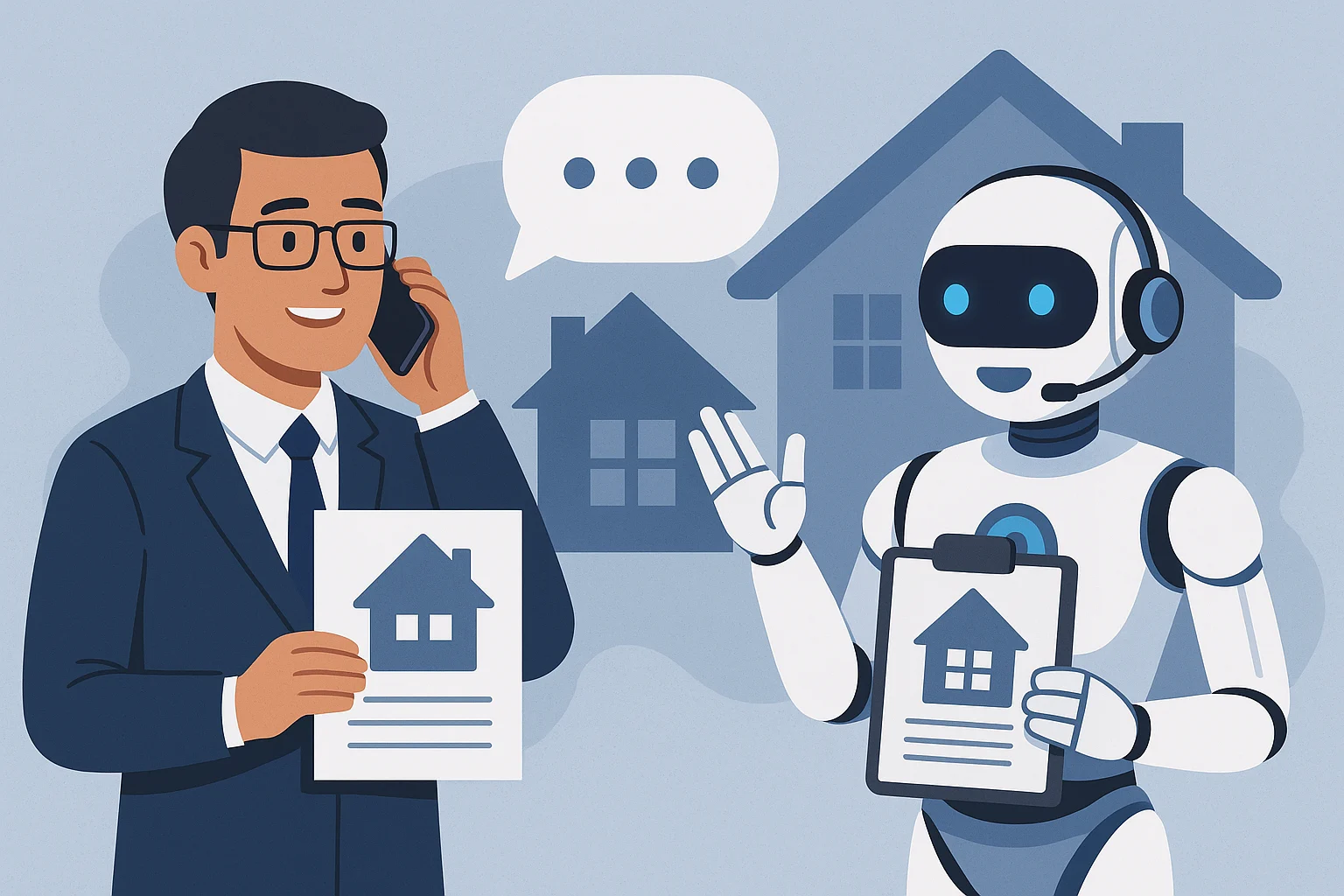
Industries seeing dramatic improvements include:
- Real estate: Lead qualification and property inquiry management
- Solar energy: Preliminary information gathering and cost estimation
- Healthcare: Appointment scheduling and prescription refill requests
- Financial services: Account inquiries and transaction notifications
- Customer support: Emergency call assessment and priority routing
Financial services companies use AI call agents for account inquiries, transaction notifications, and basic customer service needs. The systems can verify account information, provide balance updates, and handle routine requests while ensuring that complex financial discussions get routed to qualified human advisors. This approach maintains the personal touch that financial services clients expect while improving efficiency and response times.
Implementing and Optimizing Your AI Call Agent
Selecting the right platform requires careful consideration of your specific business needs and technical requirements. Some solutions offer extensive customization options through API integrations, making them ideal for businesses with complex workflows or specialized requirements. Others provide user-friendly, no-code implementations that can be deployed quickly without technical expertise. The key is matching the platform’s capabilities with your timeline, budget, and long-term growth plans.
Key implementation steps include:
- Goal definition and use case mapping for your specific business needs
- Platform selection based on customization requirements and technical capabilities
- Integration planning with existing CRM and business tools
- Training and customization starting with common call scenarios
- Performance monitoring using both quantitative metrics and qualitative feedback
Integration planning becomes critical for maximizing the value of your AI call agent investment. The system should connect seamlessly with your existing CRM, scheduling software, and other business tools. This connectivity ensures that information flows smoothly between systems and that your team has access to complete interaction records. Proper integration also enables the AI to provide more personalized and informed responses to callers.
Training and customization require ongoing attention to achieve optimal performance. Start with your most common call scenarios and gradually expand the system’s capabilities as you gather real-world usage data. Regular review of call transcripts helps identify areas where responses could be improved or where additional training might be needed. This iterative approach ensures that your AI call agent continues improving over time.
Performance monitoring should focus on both quantitative metrics and qualitative feedback. Track call resolution rates, customer satisfaction scores, and conversion metrics to measure impact. Listen to recorded conversations periodically to ensure that the AI maintains appropriate tone and provides accurate information. This combination of data analysis and human oversight ensures that your system delivers consistent, high-quality interactions.
At EarningCoach Marketing, we help clients develop comprehensive implementation strategies that align AI call agents with their broader digital marketing objectives. This holistic approach ensures that every customer touchpoint works together to create the distinctive experience that positions your business as “The Only One” in your market.
Security, Compliance, and the Ethical Use of AI Call Agents
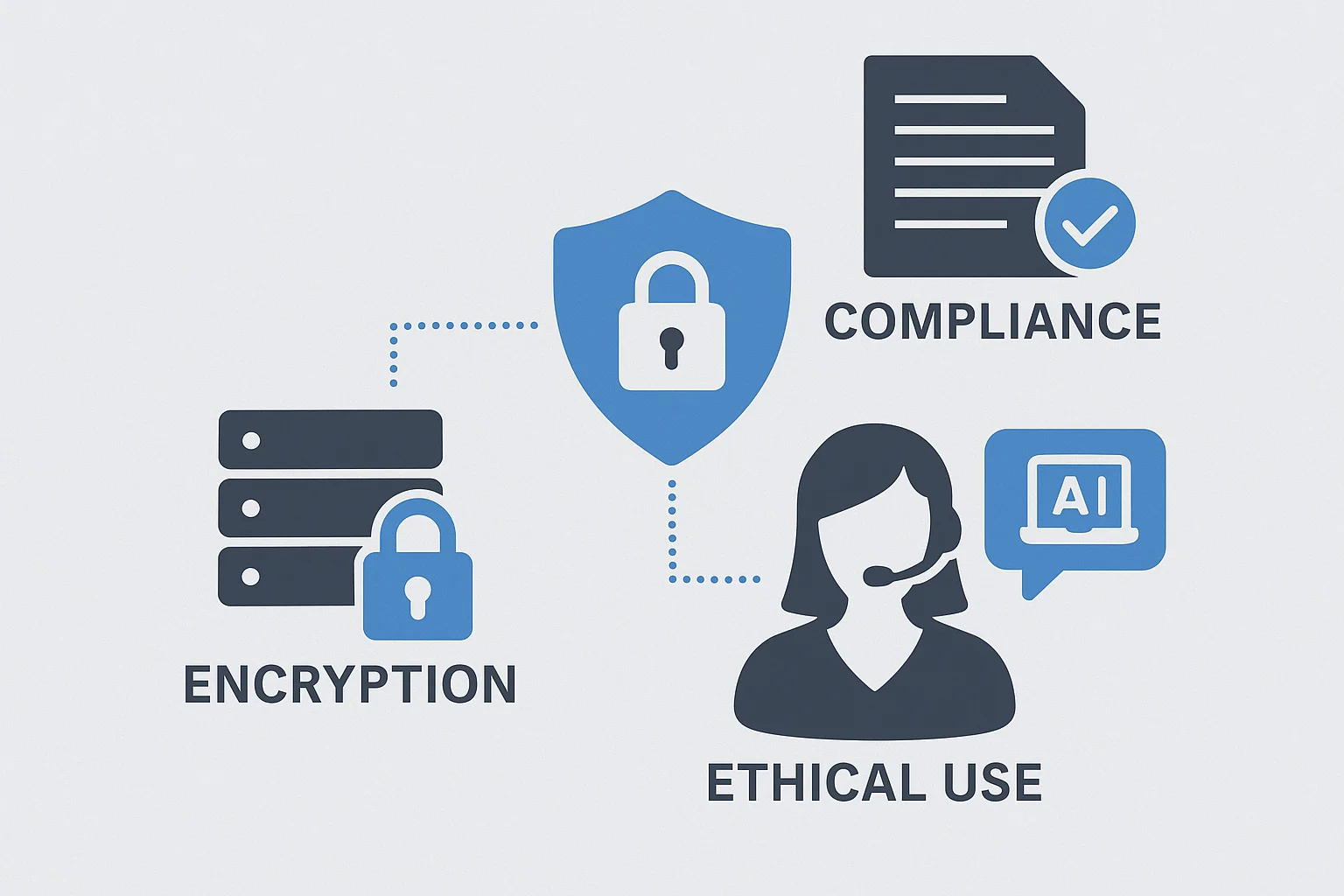
Data protection measures for AI call agents must address both the technical aspects of information security and the regulatory requirements that govern customer data handling. Advanced encryption protocols protect conversations during transmission and storage, ensuring that sensitive information remains secure throughout the entire process. Access controls limit who can review call recordings or transcripts, maintaining confidentiality while still allowing authorized team members to use the information for business improvement purposes.
Compliance requirements vary significantly depending on your industry and the types of information your AI call agents handle. Healthcare organizations must ensure HIPAA compliance when dealing with patient information. Financial services companies need to meet strict data handling standards for customer financial information. GDPR requirements apply to any business handling data from European customers, regardless of where the business is located. Understanding and implementing appropriate compliance measures protects both your customers and your business from potential legal issues.
“Transparency in AI interactions isn’t just about compliance – it’s about building trust. When customers know they’re speaking with an AI system, they can adjust their expectations appropriately, leading to more successful interactions for everyone involved.”
Ethical considerations extend beyond legal compliance to encompass transparency and fairness in AI interactions. Customers should understand when they’re speaking with an AI system rather than a human representative. This transparency builds trust and sets appropriate expectations for the interaction. Clear disclosure also helps customers understand the capabilities and limitations of the system, leading to more productive conversations.
Data minimization practices involve collecting only the information necessary for specific business purposes and retaining it only as long as needed. AI call agents should be configured to gather relevant information without overreaching into unnecessary personal details. This approach not only supports privacy protection but also builds customer confidence in your commitment to responsible data handling.
Regular security audits and system updates ensure that your AI call agent implementation maintains high security standards over time. Technology evolves rapidly, and new threats emerge regularly, making ongoing attention to security essential. Working with reputable providers who prioritize security and compliance helps ensure that your system remains protected against emerging risks while continuing to deliver value for your business and customers.
Conclusion
AI call agents have opened new possibilities for customer engagement by delivering natural, responsive interactions at unprecedented scale. These systems empower businesses to handle routine inquiries efficiently while freeing human team members to focus on complex problem-solving and relationship building. The combination of improved efficiency, enhanced customer experience, and valuable data insights creates a powerful foundation for sustainable business growth.
The comprehensive overview provided in this guide covers the essential technologies, key capabilities, and practical applications that make AI call agents valuable across diverse industries. Understanding how to implement and optimize these systems strategically positions your business to capitalize on the opportunities they create. When properly integrated with your broader marketing strategy, AI call agents become tools for differentiation that help establish your company as the clear choice in your market.
The evolution of AI call agents will continue accelerating, bringing even more sophisticated capabilities and broader applications. Businesses that adopt these technologies thoughtfully and strategically will find themselves well-positioned to deliver exceptional customer experiences while maintaining operational efficiency. The future of customer communication is here, and it offers remarkable opportunities for companies ready to embrace innovation while maintaining the human touch that customers value.
FAQs About AI Call Agents
What exactly is an AI call agent?
AI call agents are sophisticated automated customer service systems that use artificial intelligence to conduct phone conversations with human-like naturalness. These intelligent virtual agents combine voice bot technology, speech recognition, natural language processing, and conversational AI software to understand caller intent and provide appropriate responses. Unlike traditional automated phone systems that rely on rigid menu structures, AI call agents can engage in dynamic conversations, ask clarifying questions, and adapt to different communication styles. They represent a significant advancement in customer service technology, offering businesses the ability to provide immediate, personalized assistance to callers around the clock.
Can AI call agents handle complex or sensitive inquiries?
AI call agents excel at managing routine inquiries and straightforward transactions, but they’re designed with built-in intelligence to recognize when situations require human intervention. These systems can identify emotional distress, complex technical issues, or sensitive topics that need empathetic handling by trained human representatives. When such situations arise, the AI seamlessly transfers the call to appropriate human agents while providing context about the conversation. This intelligent routing ensures that customers receive the right level of support for their specific needs while maximizing efficiency for routine interactions.
Are AI call agents secure and compliant with privacy standards?
Reputable AI call agent platforms implement comprehensive security measures including end-to-end encryption, secure data storage, and strict access controls to protect customer information. These systems comply with relevant privacy regulations such as GDPR, HIPAA, and SOC 2, depending on your industry requirements. Advanced security features include automated data retention policies, audit trails for all interactions, and regular security assessments to maintain protection standards. The combination of technical safeguards and regulatory compliance ensures that customer data remains protected while enabling businesses to leverage AI capabilities confidently.
What industries benefit most from AI call agents?
Industries with high call volumes and routine inquiry patterns see the most immediate benefits from AI call agents. Healthcare organizations use these systems for appointment scheduling and basic patient inquiries. Real estate professionals leverage them for lead qualification and property information requests. Automotive service centers employ AI agents for scheduling maintenance appointments and handling common questions. Insurance companies utilize them for claim reporting and policy inquiries. Financial services organizations implement them for account information and transaction support. Any industry where customers frequently call with predictable questions or service requests can benefit significantly from AI call agent implementation.
Do AI call agents replace human agents completely?
AI call agents are designed to complement human representatives rather than replace them entirely. These systems handle routine, repetitive inquiries efficiently, allowing human agents to focus on complex problem-solving, relationship building, and situations requiring emotional intelligence. The most effective implementations create a collaborative environment where AI handles initial customer contact, gathers relevant information, and routes calls to human specialists when needed. This approach maximizes the strengths of both artificial and human intelligence, resulting in improved efficiency, better job satisfaction for human agents, and enhanced customer experiences across all interaction types.
Want to learn how you can have a customized Voice Agent help solve your missed calls problem? Schedule a discovery call at; https://calendly.com/mdrobes