Missed call text back technology is essential for small businesses in 2026. It prevents lost revenue by instantly engaging missed callers with personalized automated texts. This keeps leads warm, enables quick follow-up, and integrates smoothly with CRMs and workflows. Instead of losing potential customers to competitors, missed calls become valuable conversations and sales opportunities. If your team cannot answer every call live, an immediate text response provides a critical second chance to capture interest, maintain customer engagement, and extend service availability—even when your office is closed.
A missed call can lead to significant lost revenue, often sending a ready to buy customer straight to the next business on their search list.
That is why missed call text back technology matters more for the modern small business in 2026 than it did a few years ago. If your team cannot answer every inquiry live, an immediate automated message provides a vital second chance to capture the lead. By addressing missed calls instantly, you keep your service moving and respond like your business is still open even when the office is closed.
Key Takeaways
- Prevent Lost Revenue: Missed call text back technology transforms unanswered calls into active conversations, ensuring you do not lose leads to competitors who answer faster.
- Instant Engagement: Modern systems should trigger an automated, personalized response within 30 to 60 seconds, acknowledging the missed call and providing a clear, actionable next step.
- Operational Integration: Effective setups go beyond simple auto-replies by routing conversations to the right staff, syncing data with your CRM, and providing support during after-hours periods.
- Focus on Conversion: Use key performance indicators like recovery rates and appointment bookings to measure the direct financial impact of your text-back system.
What missed call text back looks like now
Missed call text back is simple on the surface. Someone calls your business, no one answers, and an automated text message goes out within seconds.
What changed is what happens next. In 2026, the stronger setups do not stop at “Sorry we missed your call.” They start a two-way conversation, route replies to the right person, add the contact to your CRM, and track whether that interaction turned into revenue.
That shift matters because voicemail is passive, but texting is active. A caller can answer one question, tap a booking link, or ask for pricing without having to call again. The current standard is an instant response, usually within 30 to 60 seconds, followed by a useful next step. For a current view of how vendors are packaging this, NextPhone’s 2026 setup overview shows how a basic auto-reply has evolved into a full follow-up workflow. By prioritizing an effective auto-reply, you ensure that even your most time-sensitive unanswered calls are converted into engagement.
The best personalized texts are short and clear. They identify the business, acknowledge the missed call, and ask one easy question. For example, “Hi, this is Oak Street Plumbing. Sorry we missed your call. What can we help with?” That feels direct, human, and easy to answer.
Different timing should trigger different messages. During business hours, the goal is to keep the caller engaged until someone can reply. After hours, the goal is to set expectations, offer a booking option, and keep the lead warm until morning.
For small businesses, that is the real job. A missed call should not become a dead end. It should become the start of a conversation.
Why it matters more to small businesses in 2026
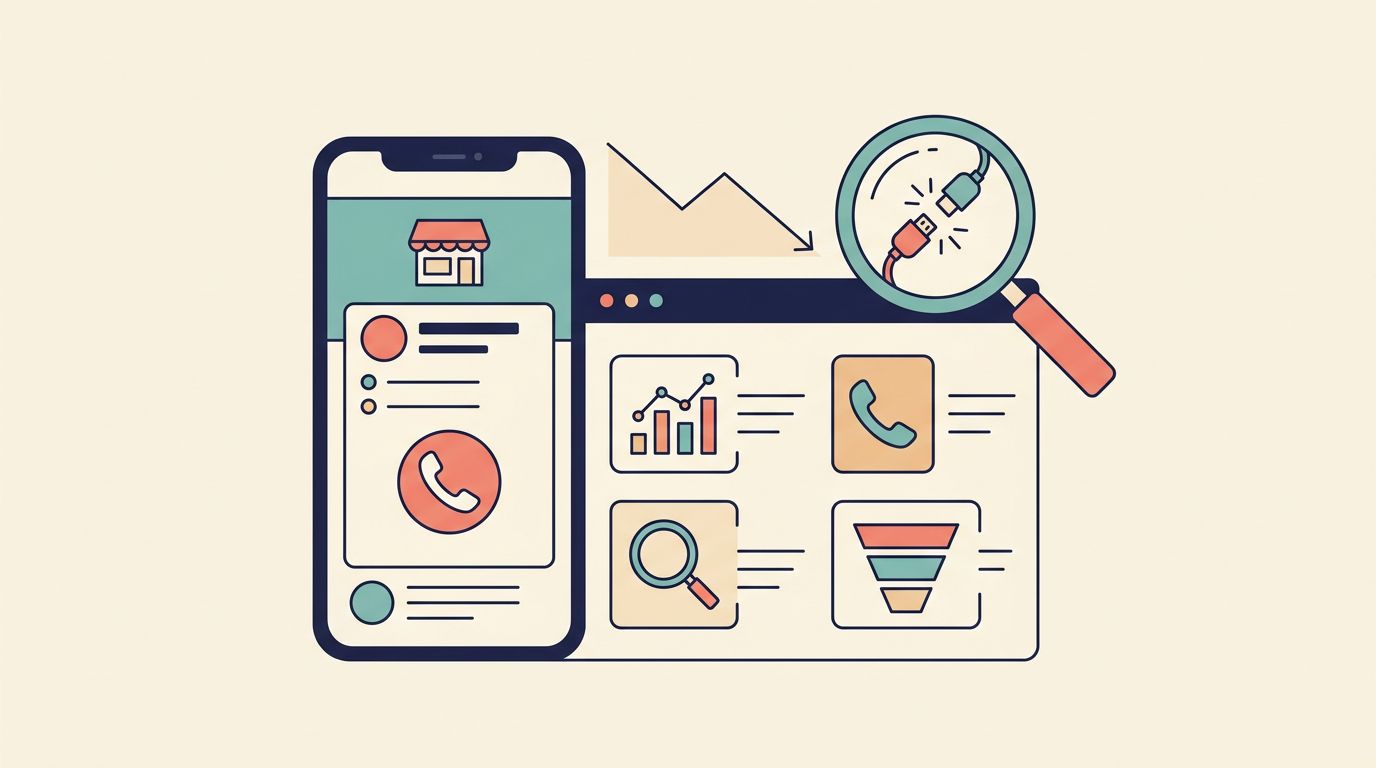
Local businesses frequently lose calls for ordinary reasons. Staff members are assisting customers, technicians are out in the field, attorneys are tied up in meetings, or restaurant teams are in the middle of a rush. When an unanswered call occurs, that small business potentially suffers from immediate lost revenue. The phone rings, no one gets it, and the caller moves on to the next option.
That was always a problem, but it is much more expensive now because modern response expectations are higher. People who find you through search, maps, or recommendations often contact two or three businesses in a row. The first company to respond with something useful often wins the customer, making it vital to improve the overall customer experience.

Home services provide a clear example. If a homeowner calls about a broken AC unit and gets no answer, they will keep dialing until someone picks up. By utilizing an automated text message sent from your business phone number, you can facilitate lead capture and hold the prospect long enough for your dispatcher to reply. This technology effectively turns missed rings into sales opportunities. Real estate teams use the same idea for listing inquiries and sign calls, while legal offices can acknowledge the inquiry before routing it for proper intake. Restaurants can recover reservation calls or catering leads, and local retail shops can answer product availability questions without tying up the sales floor. Healthcare practices can also use these tools to offer appointment booking options, provided they keep sensitive information out of the SMS thread.
Most of these systems integrate directly with a cloud-based phone system. When a call goes to voicemail, the system triggers a text back, ensuring the lead remains engaged.
If the text goes out fast but no one owns the reply, the problem is not fixed. It has only moved from voicemail to SMS.
This is also where after-hours coverage starts to matter. Many small businesses receive strong intent calls in the evening, on weekends, and during lunch rushes. A missed call text back system gives those callers a response path when a live person is unavailable.
If you want more examples of how businesses are using this to recover leads, this missed call automation guide gives a useful look at practical setups.
How to build a system your team will use
Write the first text like a real person
The first text should be short enough to read in one glance. Long auto-messages look cold, and they often lower reply rates. When creating your message templates, remember that personalized texts feel more authentic than generic scripts.
A simple structure for your auto-reply works best:
- Say who you are and confirm your business name.
- Acknowledge the missed call to your business phone number.
- Ask one clear question or give one next step for follow-up texts.
- Set expectations if you are currently outside of business hours.
That means no sales pitch, no long menu, and no clutter. If you want a link, send one link. If you want a reply, ask one question. Keep the path simple to encourage immediate engagement.
Connect it to AI, virtual receptionists, and your CRM
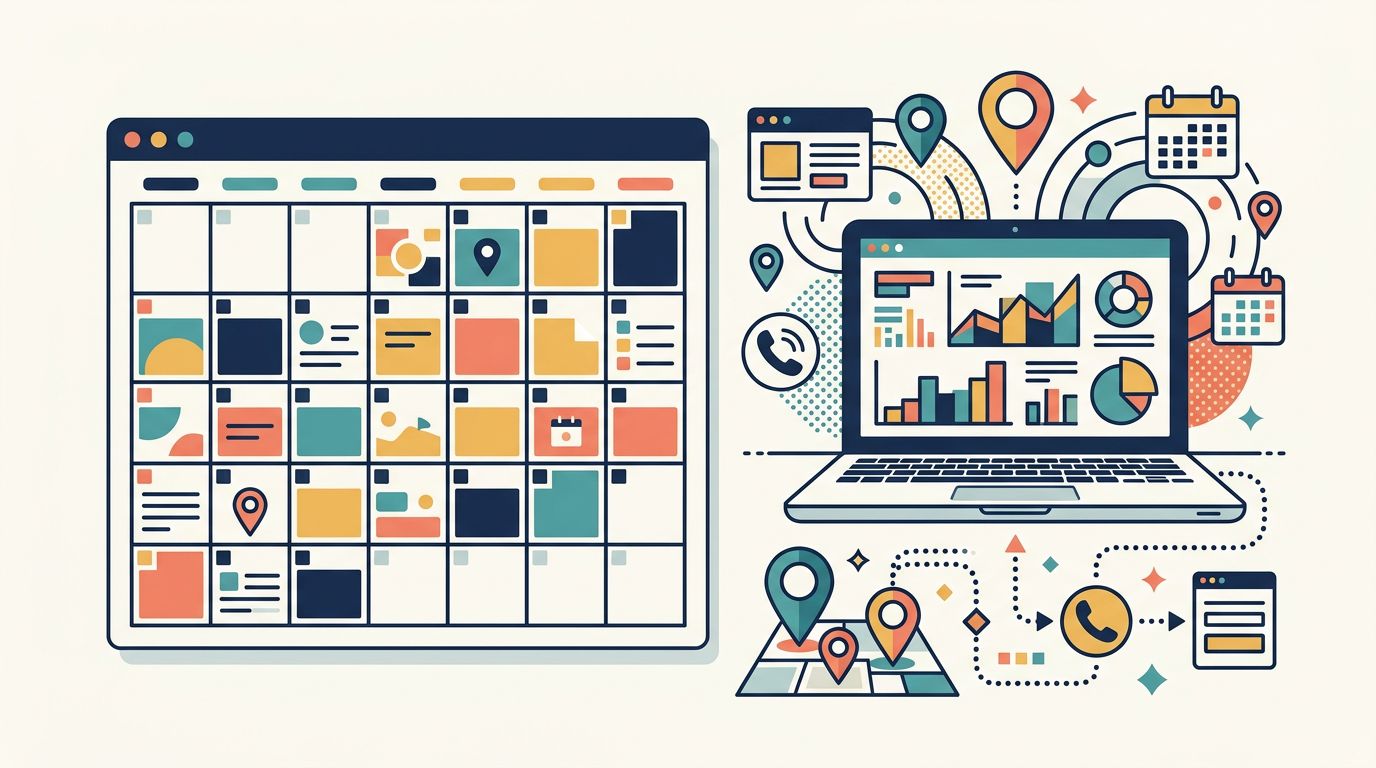
The strongest systems do not live in isolation. They connect to your shared inbox, customer record, call tracking, and calendar through seamless CRM integration.
That is where an AI phone assistant and intelligent workflows start to help. These tools can classify the reply, draft a suggested response, route the conversation by location or service line, and tag urgent leads for follow-up. It should support your team, not replace human judgment. A plumbing emergency at 9:00 p.m. needs a different path than a price question at 2:00 p.m.

Photo by Markus Winkler
This is also where a virtual receptionist and website chat bots fit in. Chat bots help with web leads, while a virtual receptionist helps answer or screen live calls. Automatic replies fill the gap when a call still goes unanswered. When all these systems feed the same inbox or CRM, your team gets one view of the customer instead of fragments spread across multiple tools.
Many newer platforms are moving in this direction, and Aira’s tool and setup guide is a good snapshot of that trend. If you are comparing vendors and need help mapping texting, call handling, and follow-up into one process, you can Schedule Call.
Keep consent, privacy, and texting etiquette in view
A missed-call reply is usually service-related, not promotional. That distinction matters. The first text should focus on the reason for contact and avoid marketing language.
Ongoing SMS campaigns are different. Promotions, bulk reminders, and sales follow-ups usually require stronger consent practices. Review TCPA rules, carrier requirements, and any sector-specific policies that apply to your business. For healthcare and legal firms, keep sensitive details out of standard text messages unless your workflow and compliance review allow it.
Good texting etiquette is simple. Reply during reasonable hours and respect established business hours. Do not send repeat nudges every few minutes. Use a real business name so the recipient knows exactly who is messaging them. Give customers a clear path to stop messages when the conversation becomes ongoing rather than transactional.
What to measure to prove return
The best way to judge a missed call text-back tool is not by its features. It is by recovered revenue.
Start with a few numbers that matter:
| Metric | What it tells you |
|---|---|
| Missed call recovery rate | How many missed callers reply to your SMS follow-ups |
| Appointment booking rate | How many recovered conversations turn into scheduled jobs |
| Response time | How fast your team answers after the automated text |
| Lead conversion | The percentage of recovered callers who ultimately pay for services |
| Revenue per recovered lead | Whether the system pays for itself |
The next step is source tracking. If a caller first found you through SEO, your Google Business Profile, paid search, or social media, that source should follow the lead into your CRM. Through proper CRM integration, you can ensure this data is captured. Otherwise, you cannot tell which marketing channels are producing the calls that need recovery.
This is where small-business reporting often breaks. Teams track form fills but ignore missed calls. They know which ad drove the phone to ring, but they do not know whether the lead was saved after no one answered. Once your texting tool, call tracking, and CRM share data, you can measure the full path of the customer.
A simple example makes the math clear. If you miss 30 qualified calls a month and your SMS follow-ups recover 8 of them, that is already meaningful. If 3 of those become customers through successful appointment booking, and each customer is worth $500, the system has a direct value. That is before counting service improvements, a lower voicemail backlog, and better after-hours coverage.
Frequently Asked Questions
How quickly should the automated text be sent?
For the best results, your automated message should reach the caller within 30 to 60 seconds. This immediate acknowledgement validates their attempt to contact you and keeps the lead warm while your team works to follow up.
What should the initial text message say?
Keep it brief and human by identifying your business, acknowledging the missed call, and asking a single, simple question. Avoid long sales pitches or complex menus, as these often reduce the likelihood of a reply.
Is it okay to use this for after-hours calls?
Yes, after-hours usage is a primary benefit of this technology. It allows you to set expectations, provide a booking link, and assure the customer that you will address their inquiry as soon as your office reopens.
Does this technology replace human customer service?
It is designed to support your team, not replace them. The goal is to keep the conversation moving and capture necessary information until a human team member can take over the interaction.
Final thoughts
A missed call might seem like a minor inconvenience in the moment, but it is often the exact point where a potential lead is either won or lost.
The businesses that succeed in 2026 do three things consistently. They reply fast, they make the reply useful, and they integrate texting into their broader workflow to ensure conversations never stall. By leveraging missed call text back, you provide a level of 24/7 availability that modern consumers expect, which acts as a major driver of overall customer satisfaction.
If you are weighing new tools or trying to better connect your phone leads with your CRM, inbox, and automation stack, a short No-cost discovery call can help you choose a setup that fits the way your team already works.