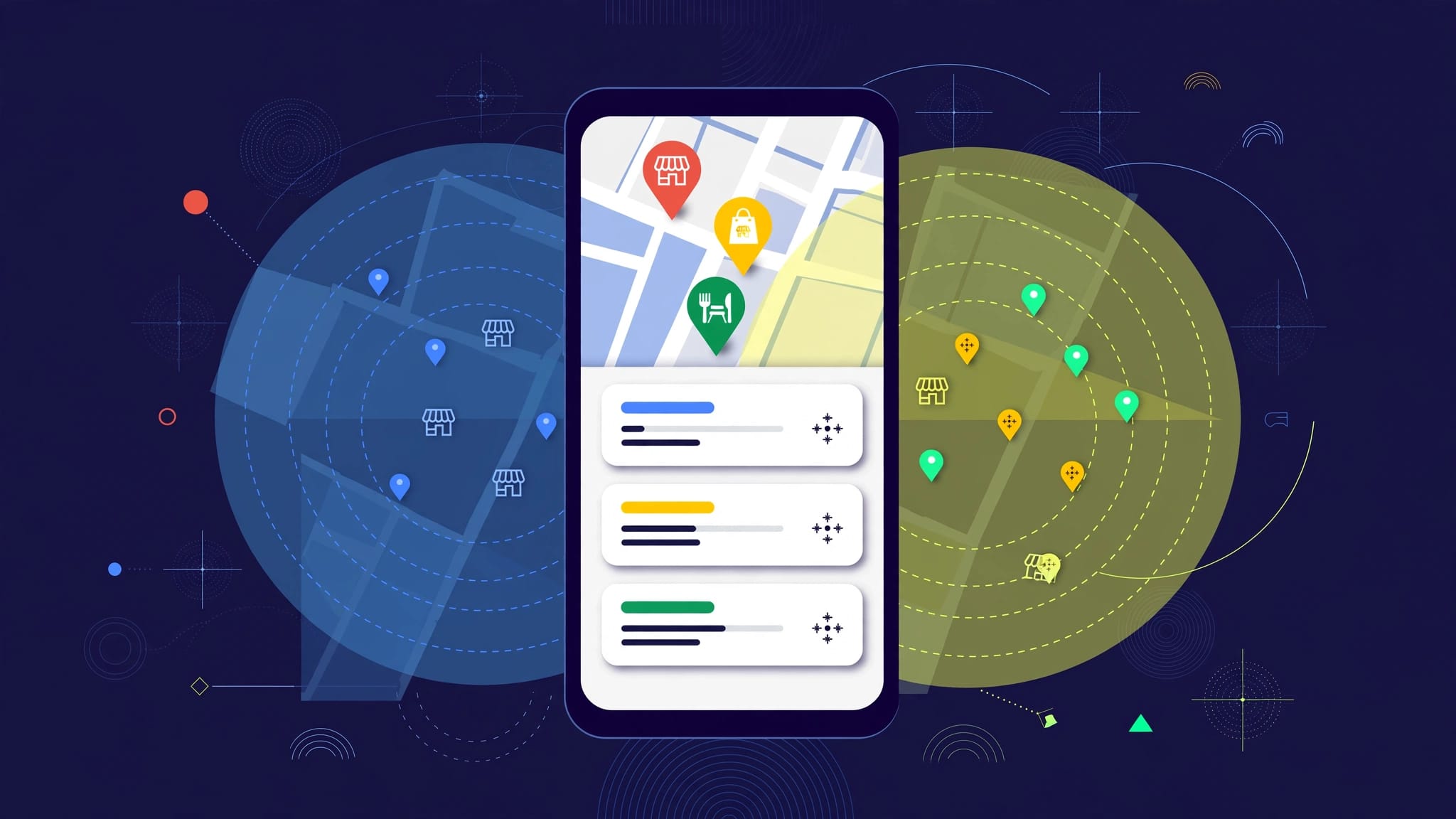
A hidden address doesn’t mean you have to stay hidden on Google Maps. Many service area businesses, such as plumbers, HVAC companies, cleaners, landscapers, and mobile service brands, still win local leads through local SEO without a storefront.
The catch is that Google reads their signals differently. If your visibility is weak, the fix usually isn’t more pages. It’s a better profile, tighter service areas, stronger reviews, and local proof on your site to boost organic rankings.
Key Takeaways
- Service area businesses win local leads without storefronts by hiding addresses in Google Business Profiles, using tight service areas within a two-hour drive, accurate primary categories, and strong NAP consistency to avoid suspensions.
- Build relevance and prominence with unique city landing pages featuring local job photos, neighborhood FAQs, service details, and E-E-A-T signals like staff bios, plus steady customer reviews and fast AI-powered follow-ups.
- Avoid thin cloned pages or broad city content; focus on high-revenue areas with natural local keywords, internal linking, optimized meta descriptions, social posts, and directory citations for better Google Maps rankings.
- Prioritize proximity (searcher location vs. service areas), relevance (categories/services/content), and prominence (reviews/links/brand trust) while maintaining weekly checklists for photos, reviews, and page improvements.
Why service area business SEO plays by different rules
Storefront local SEO and service area business SEO both target local intent, but they don’t win the same way. A restaurant can lean on walk-in traffic, posted hours, and a visible front door. A mobile electrician or house cleaner usually can’t.
Google still looks at proximity, relevance, and prominence for the local pack. The difference is how you support those signals when your address is hidden. Proximity comes from where the searcher is and whether your listed service areas make sense. Relevance comes from your categories, services, and page content. Prominence comes from reviews, links, mentions, and brand trust.
This is the practical split:
| Storefront business | Service area business |
|---|---|
| Public address helps map trust | Hidden address is required if customers can’t visit |
| Walk-in signals can support visibility | Calls, reviews, job photos, and branded searches matter more |
| Broad city pages may still rank for local SEO | Local pages need unique proof, not copied text |
For service area businesses, the website often carries more weight, especially with mobile optimization for customers searching on the go. A roofer in one county or a mobile pet groomer across three suburbs needs service area pages featuring unique content and helpful content that show real work, clear service details, and local trust. Thin pages for every town usually backfire because they look like doorway pages.
If you want a simple outside view of that shift, these service-area profile basics explain why hiding the address changes the local playbook.
Set up your Google Business Profile without risking a suspension
For most home service companies, the Google Business Profile is still the center of local visibility. As of April 2026, pure service area businesses must use a hidden address if customers can’t visit a staffed location. Google can still use the address for verification, but it shouldn’t appear publicly.
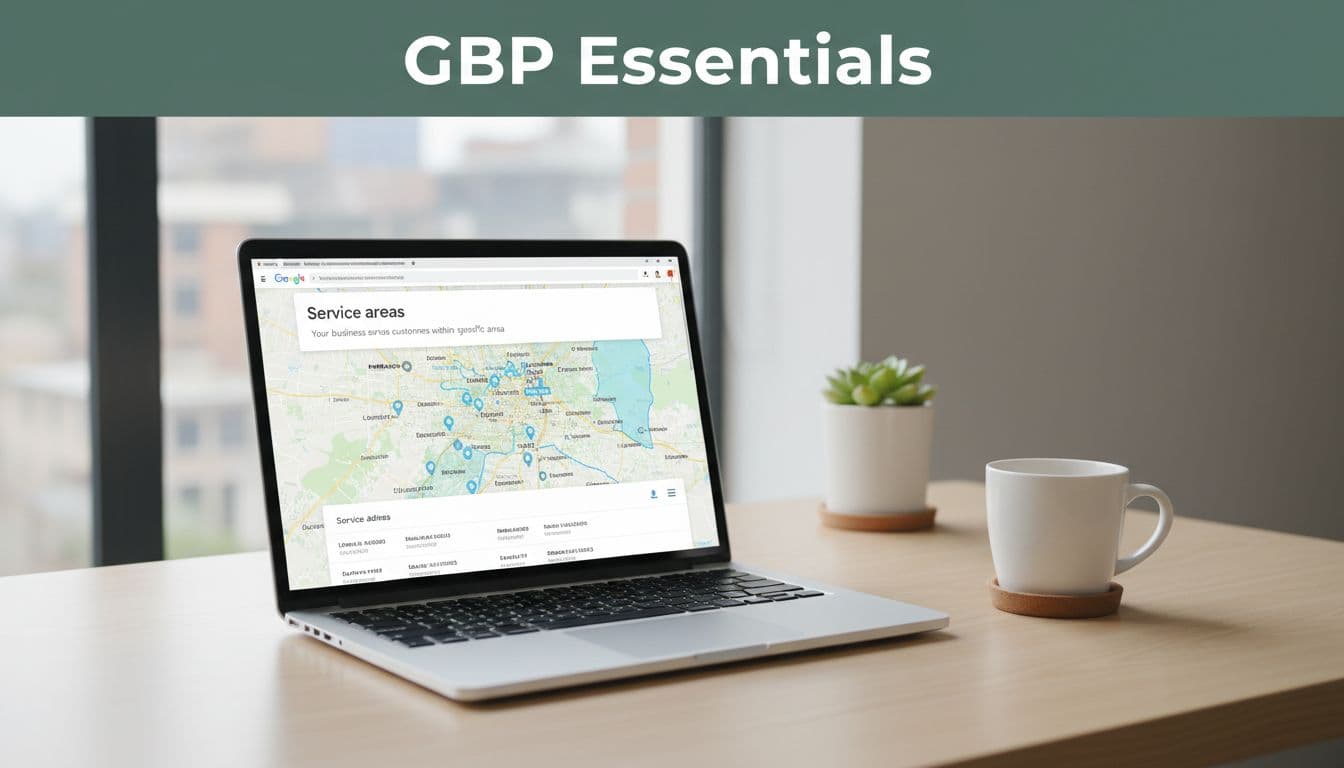
That rule matters because public home addresses, virtual offices, P.O. boxes, and empty rentals are common suspension triggers. If you run one business from one real base, use one Google Business Profile. Extra listings need separate staffed locations, separate teams, and their own contact details. Pair your profile with Local Services Ads for high-intent leads.
A short setup checklist keeps you on solid ground:
- Use the most accurate primary category. “Plumber” is better than “Contractor” if plumbing is the core job.
- Add only the cities or ZIP codes you truly serve. Keep the service area boundaries tight, usually within about a two-hour drive.
- Fill out services, hours, photos, and business details before chasing more citations. Implement schema markup on your site to help Google understand the relationship between the profile and your website.
- Reply to reviews and maintain NAP consistency with your phone number and website everywhere.
If customers can’t walk in during posted hours, hide the address.
Hybrid businesses are different. If you have a staffed office where customers can visit, you can show the address and still add service areas. Big profile edits can also trigger re-verification, so document your current settings before changes. A correct setup boosts your local SEO performance. For the step-by-step side of setup, this guide on setting up a Google Business Profile without an address is a useful reference.
Build local relevance with content, reviews, and fast follow-up
Once the profile is clean, you need stronger relevance and prominence across your site and local web presence. That means better city landing pages, a steady customer reviews flow, and faster lead response to boost local SEO.
A common mistake is publishing 30 cloned location pages. An HVAC company in Mesa, a cleaner in Naperville, or a landscaper in Cary will do better with a few strong city landing pages than a pile of weak ones. Focus on the areas that bring revenue. Then add local job photos, neighborhood FAQs referencing local landmarks, service timelines, common problems, and customer reviews from those places. Incorporate local keywords naturally into page content, optimize the meta description for each new page, and use internal linking from service pages to city landing pages. That creates local proof instead of filler, while building E-E-A-T through staff bios and case studies. For more examples, this piece on ranking without a physical location is worth a read.
Customer reviews deserve steady attention and carry significant weight in local SEO rankings, especially for improving visibility on Google Maps. Ask right after the job, send the link by text, and reply to every customer review. Mention the service, city, and local keywords naturally in your response. Don’t buy reviews, stuff keywords, or offer rewards that break platform rules.
You can also support local SEO with social media and faster communication, including voice search optimization. Social posts won’t replace city landing pages, yet they can drive branded searches, referral traffic, and fresh photo activity. Meanwhile, ai can help you respond faster and keep leads from going cold. Voice receptionists can catch missed calls after hours. Chat bots can qualify website visitors and route urgent jobs.
Build additional relevance beyond your website with local citations and directory listings. A simple weekly checklist keeps local SEO momentum moving:
- Improve one service or city landing page with real local detail, local keywords, and an optimized meta description; add internal linking where needed.
- Ask for three to five customer reviews from recent customers.
- Post one recent job photo to your profile, social media, and directory listings.
- Check calls, form leads, rankings by city on Google Maps, local citations, then adjust.
No storefront isn’t the problem. Weak local signals are. Boost local citations through more directory listings for even stronger local SEO.
When your profile follows the rules, your service areas stay focused, and your pages prove local experience, local visibility on Google Maps gets much easier to grow for your service area business. If you want help cleaning up categories, service pages, or review workflows for your service area business, book a No-cost discovery call.
Frequently Asked Questions
Why must service area businesses hide their address in Google Business Profile?
Google requires hiding the address for pure service area businesses if customers can’t visit a staffed location, as public home addresses or virtual offices trigger suspensions. Use the address privately for verification but keep service areas tight to cities or ZIPs within a two-hour drive. This setup still supports strong local pack rankings through other signals like reviews and categories.
How do service area businesses differ from storefronts in local SEO?
Storefronts rely on visible addresses and walk-in signals, while service area businesses emphasize calls, reviews, job photos, branded searches, and unique website content. Proximity ties to service areas matching searcher location, relevance from categories/services/pages, and prominence from reviews and citations. The website carries more weight with mobile-optimized local proof over thin doorway pages.
What content works best for service area business city pages?
Focus on a few high-revenue city landing pages with unique local details like job photos, neighborhood FAQs, service timelines, common problems, and customer reviews from those areas. Incorporate natural local keywords, optimize meta descriptions, add internal links, and build E-E-A-T via staff bios and case studies. Avoid 30+ cloned thin pages that Google flags as doorway content.
How can reviews boost service area business SEO?
Reviews heavily influence prominence and Google Maps visibility; ask for them right after jobs via text links and reply to every one mentioning services, cities, and keywords naturally. Steady flows from recent customers, paired with profile photos and social posts, build trust without buying or stuffing. Fast responses via AI tools also prevent leads from going cold.
Can hybrid businesses show their address?
Yes, if you have a staffed office customers can visit during posted hours, show the address and add service areas. Document settings before big edits to avoid re-verification, and use separate profiles only for distinct staffed locations with unique teams and contacts. Pair with Local Services Ads for high-intent leads.