Let’s cut through the AI marketing hype. You’ve probably seen claims about AI revolutionizing everything, automating your entire marketing strategy, and generating millions in revenue while you sip margaritas on a beach.
The reality? Some AI marketing tools are absolute game-changers for local businesses. Others are expensive time-wasters that promise the moon and deliver frustration.
After working with hundreds of local businesses implementing AI marketing strategies, here’s what actually moves the needle – and what you should avoid completely.
What Actually Works: The AI Marketing Hall of Fame
1. Smart Local SEO Optimization
What It Does: AI tools analyze local search patterns and automatically optimize your Google Business Profile, website content, and local citations.
Why It Works: Local search is heavily data-driven. AI excels at identifying which keywords your local customers actually use and when they search for your services.
Real Example: A local plumbing company used AI-powered local SEO tools and saw their “emergency plumber near me” rankings jump from page 3 to the top 3 results in six weeks. Phone calls increased 180%.
Best Tools: BrightLocal’s AI features, Whitespark’s local rank tracker, or Semrush’s local SEO toolkit.
Cost vs. Benefit: High benefit, moderate cost ($50-200/month). ROI typically shows within 60-90 days.
2. Automated Review Management
What It Does: AI monitors all review platforms, alerts you to new reviews, suggests responses, and identifies trends in customer feedback.
Why It Works: Reviews drive local business success, but manually monitoring 5-10 platforms daily is impossible. AI never misses a review and helps you respond quickly and appropriately.
Real Example: A family restaurant went from responding to 30% of reviews to 95% using AI review management. Their overall rating improved from 3.8 to 4.6 stars in four months.
Best Tools: Podium, ReviewTrackers, or Grade.us with AI response features.
Cost vs. Benefit: Moderate cost ($30-100/month), extremely high benefit. Improved reviews directly impact revenue.
3. Predictive Customer Behavior Analysis
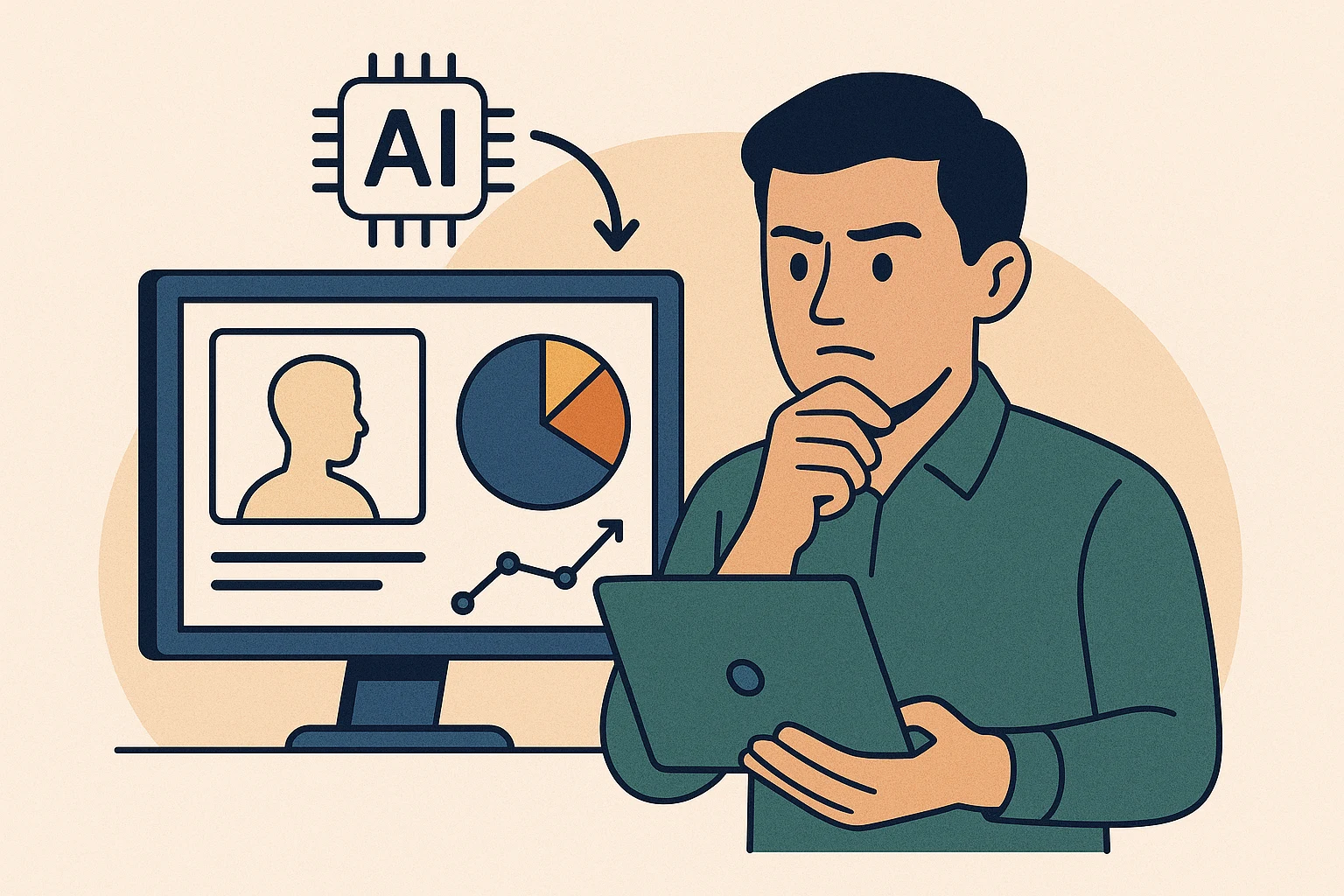
What It Does: AI analyzes your customer data to predict who’s likely to make repeat purchases, cancel services, or respond to specific offers.
Why It Works: Local businesses often know their customers personally, but AI reveals patterns across hundreds or thousands of interactions that humans miss.
Real Example: A local gym used AI to identify members likely to cancel. Targeted retention campaigns saved 40% of at-risk memberships, adding $18,000 in annual revenue.
Best Tools: HubSpot’s predictive analytics, Salesforce Einstein, or specialized tools like Retain.ai.
Cost vs. Benefit: High benefit, varies by tool complexity ($50-500/month depending on business size).
4. Dynamic Pricing Optimization
What It Does: AI adjusts your pricing based on demand patterns, competitor pricing, seasonality, and local market conditions.
Why It Works: Local markets have unique demand patterns. AI helps you maximize revenue during peak times and stay competitive during slow periods.
Real Example: A local house cleaning service used AI dynamic pricing and increased revenue 23% without working more hours. Higher prices during busy seasons, competitive rates during slow months.
Best Tools: Price2Spy, Competera, or industry-specific tools for service businesses.
Cost vs. Benefit: Moderate to high benefit, varies by industry. Works best for businesses with flexible pricing models.
What Doesn’t Work: The AI Marketing Hall of Shame
1. “Fully Automated” Social Media Content
The Promise: AI creates and posts all your social content automatically, maintaining perfect engagement.
The Reality: AI-generated social content often feels generic, misses local events and trends, and lacks the personal touch that makes local businesses special.
Why It Fails: Social media for local businesses is about community connection. AI can’t attend your customer’s wedding, comment on local events, or share behind-the-scenes moments that build relationships.
What Works Instead: Use AI for scheduling and basic content ideas, but keep the personal touch. AI suggests, you create and customize.
2. AI-Generated Website Content at Scale
The Promise: AI writes all your website content, blog posts, and service pages automatically.
The Reality: Google’s algorithms are getting better at detecting AI-generated content, and customers can often tell when content lacks authentic local knowledge.
Why It Fails: Local businesses succeed because of their community knowledge, personal stories, and specific expertise. Generic AI content can’t replicate your experience fixing heating systems in old Victorian homes or your grandmother’s secret sauce recipe.
What Works Instead: Use AI for research and outlines, but write content that showcases your unique local expertise.
3. Overly Complex Marketing Automation
The Promise: Elaborate AI-driven customer journeys with dozens of touchpoints and complex behavioral triggers.
The Reality: Most local businesses don’t have enough customer data to make complex automation effective, and over-automation can feel impersonal.
Why It Fails: Local businesses thrive on relationships. A 47-step automated email sequence might work for e-commerce, but your customers probably prefer a personal phone call.
What Works Instead: Simple automation for appointment reminders, follow-ups, and basic nurturing. Keep it personal and relevant.
4. AI-Powered Advertising Without Human Oversight
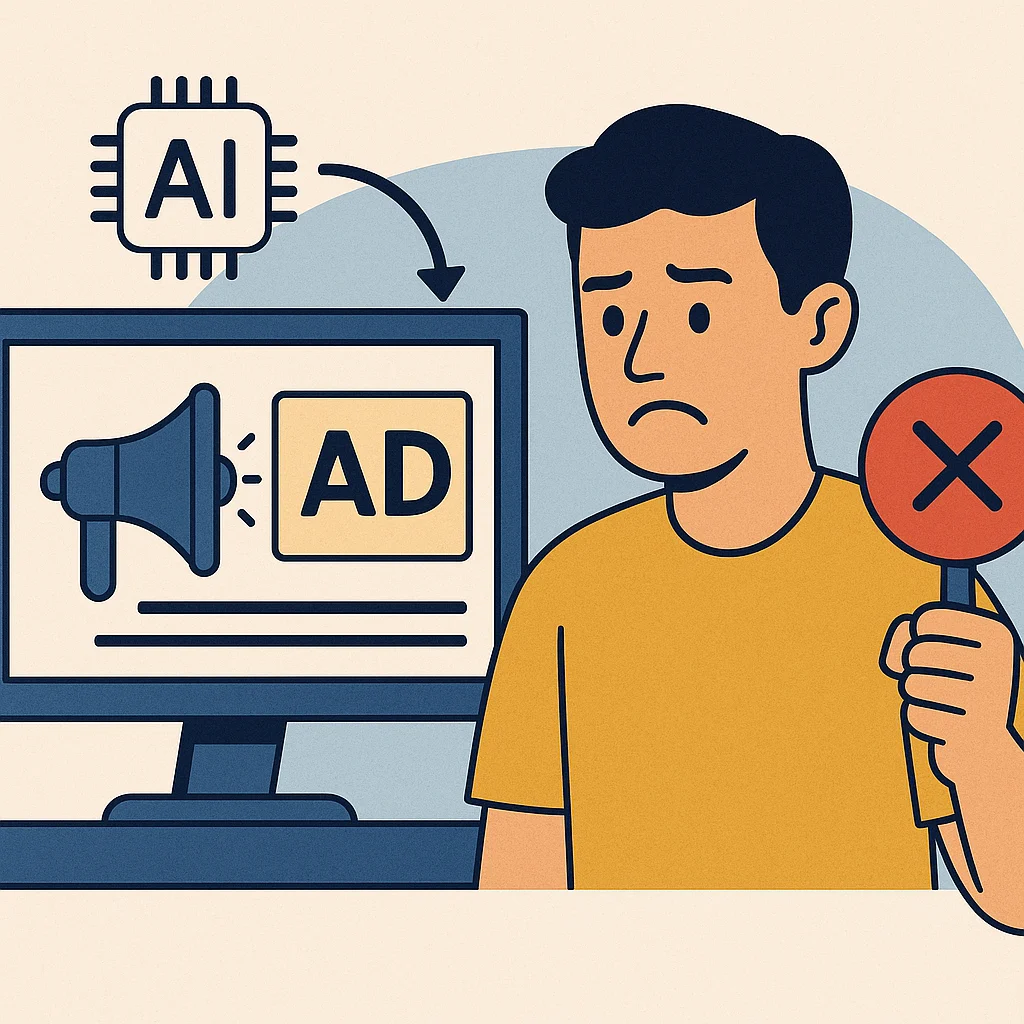
The Promise: Set up AI-driven ads once and let them optimize forever without intervention.
The Reality: AI can optimize for clicks and conversions, but it can’t understand local context, seasonal business patterns, or when to pause campaigns during local events.
Why It Fails: A pizza place doesn’t want ads running during the local food festival when everyone’s downtown eating from food trucks. AI doesn’t know about your community’s unique patterns.
What Works Instead: Use AI for bid optimization and audience targeting, but maintain human control over campaign strategy and local relevance.
The Smart Implementation Strategy
Start Small and Scale Up
Don’t try to implement every AI tool at once. Pick one area that will have the biggest impact on your business and master it before moving on.
Focus on Data-Rich Areas First
AI works best where you have lots of data. If you have years of customer purchase history, start with predictive analytics. If you get lots of reviews, start with review management.
Maintain the Human Touch
The most successful local businesses use AI to handle routine tasks so they can spend more time on relationship building and personalized service.
Track Real Business Metrics
Don’t get caught up in vanity metrics. Focus on AI tools that directly impact revenue, customer satisfaction, or operational efficiency.
The Local Business AI Hierarchy
Tier 1 (Start Here): Review management, basic chatbots, email scheduling Tier 2 (Add Next): Local SEO optimization, simple automation, social media scheduling Tier 3 (Advanced): Predictive analytics, dynamic pricing, advanced customer segmentation
Red Flags to Avoid
- Any tool promising “100% automation” for local marketing
- Services that want to manage everything without your input
- AI tools that can’t integrate with your existing systems
- Platforms that don’t allow customization for local markets
- Any service that guarantees specific results without understanding your business
The Bottom Line
AI marketing works brilliantly for local businesses when it enhances what you already do well. It fails miserably when it tries to replace your local knowledge, personal relationships, and community connections.
The winning formula: Use AI for data analysis, routine tasks, and optimization. Keep humans in charge of strategy, creativity, and relationship building.
Your customers choose local businesses because they want personal service and community connection. AI should make you better at delivering both, not replace them with generic automation.
The businesses winning with AI aren’t the ones using the most tools – they’re the ones using the right tools to amplify their human strengths.
Want to identify which AI marketing tools will actually work for your specific business without wasting time and money on ineffective solutions? A local marketing expert can assess your current systems, customer data, and business goals to create a custom AI implementation strategy that delivers real results.