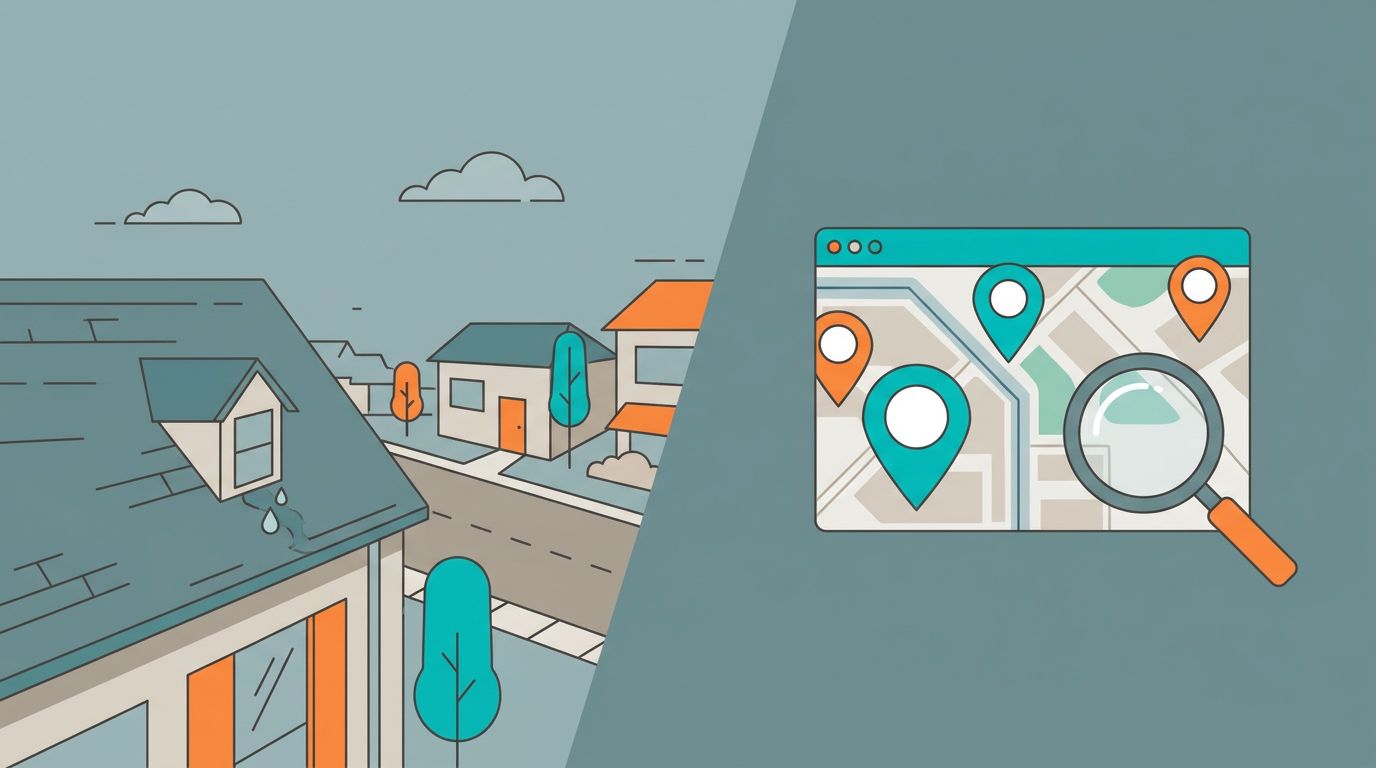
The search engine results page got crowded in 2026, long before a customer reaches your site. AI Overviews, map listings, and PPC now compete for the same local click or call.
That makes local SEO vs Google Ads a budget decision in your digital marketing strategy, not a theory debate. If you run a local service business, you need to know which channel brings leads now, which one lowers lead costs later, and when a mix makes the most sense.
Key Takeaways
- Google Ads wins for immediate leads in urgent scenarios like new launches or seasonal peaks, but rising costs demand tight targeting and proven ROI.
- Local SEO excels long-term by lowering lead costs through map pack visibility, reviews, and organic trust—yet requires patience and consistent GBP maintenance.
- A strong Google Business Profile anchors both channels, boosting Maps, AI results, and proximity relevance amid 2026’s crowded SERPs.
- Most local businesses need a hybrid mix: fund Ads first for quick calls, then SEO to compound margins and reduce paid dependency.
- Choose based on your sales cycle and timing—if leads are thin now, prioritize Ads; if stable, lean SEO.
Why local search feels different in 2026
Local search no longer starts and ends with the organic search results of 10 blue links on the search engine results page. People often see AI summaries, map results, reviews, photos, and ads before they ever visit a website. As a result, ranking well is still useful, but it doesn’t guarantee calls the way it once did.
Your Google Business Profile now does much of the heavy lifting. It shapes how you appear in Maps, branded searches, and queries driven by search intent like “dentist near me” or “emergency plumber.” Fresh photos, accurate hours, service details, and recent reviews matter more than many business owners realize, since they boost proximity relevance prominence in local rankings. Recent Google Business Profile changes in 2026 show how quickly these local features keep shifting.
At the same time, tracking is less clean than it used to be. Privacy limits, cross-device behavior, and phone calls that happen later can blur attribution. So, one channel may start the journey while another gets the credit. That is why smart local decisions now depend on lead quality, close rate, and timing, not only clicks.
Where SEO wins, and where it takes patience
Search engine optimization, particularly local SEO, remains one of the best long-term investments for service-area and brick-and-mortar businesses. It helps you appear in the map pack, build trust with customer reviews, and earn traffic without paying for every visit. It also supports branded search, which matters more when buyers compare multiple companies to evaluate brand authority before calling.
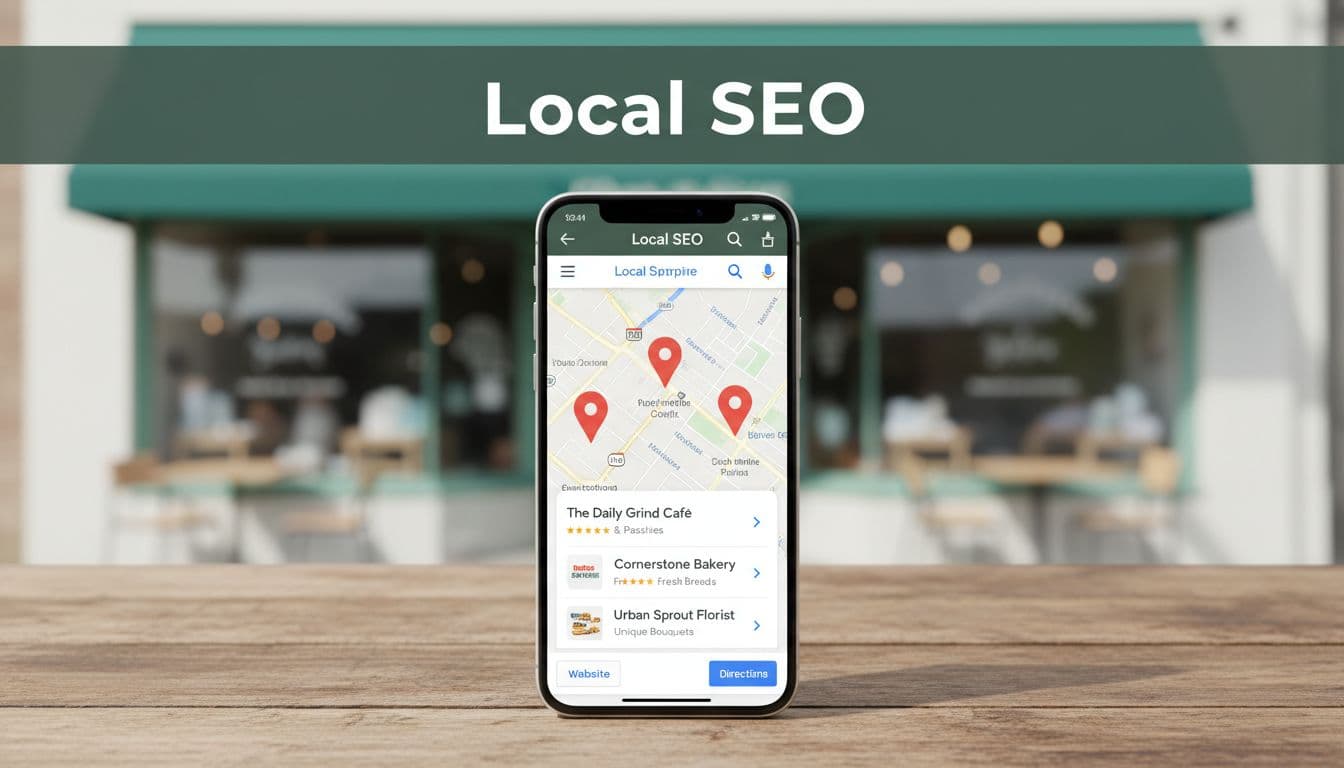
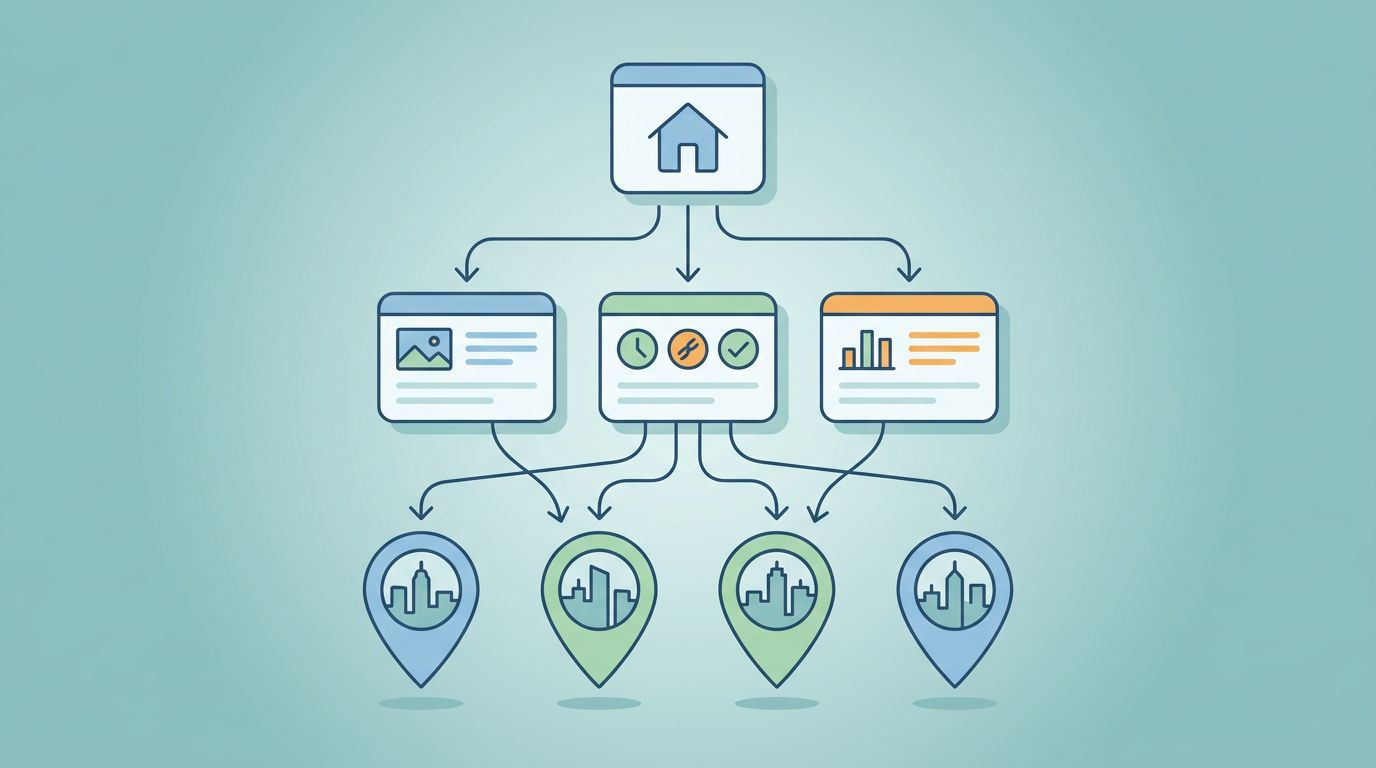
Search engine optimization also helps with AI-driven search. When your site answers real service questions, shows clear locations, and matches your profile data, search engines have more confidence in your business. That can improve visibility in organic results and in local map features.
Still, search engine optimization is slow at first. A new or weak site may need months before organic rankings move enough to change revenue. Many businesses quit too early, or they mistake activity for progress.
Common search engine optimization mistakes are simple:
- treating the Google Business Profile like a one-time setup
- publishing thin city pages with little value
- ignoring customer review requests, photos, and service updates
Search engine optimization works best when you can wait for the payoff and keep the basics clean every month, including local citations. Success requires consistent on-page optimization, technical SEO, and link building. If your pipeline is healthy today, search engine optimization is often the channel that protects margins six months from now.
Where Google Ads wins, and why costs hurt more now
PPC delivers immediate results when you need leads this month. Paid advertising puts you in front of high-intent searches fast, which is why it fits emergencies, new locations, seasonal offers, and competitive markets. A plumber with open schedule gaps can turn on Local Services Ads today and start getting calls today.
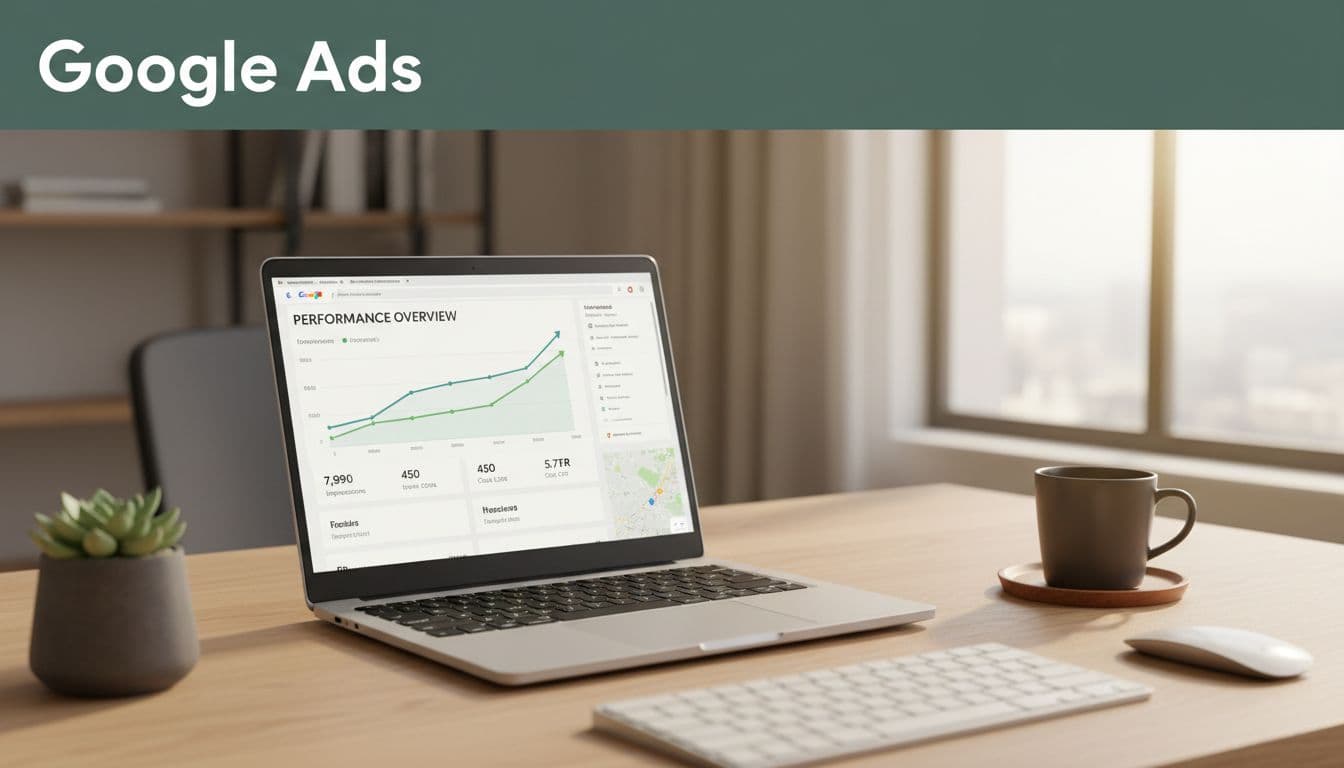
The downside is cost. Local clicks are more expensive in many categories, and wasted traffic burns cash fast. Current small-business Google Ads costs and analysis on why CPC keeps rising both point to the same problem: competition is driving up the cost per click for weak campaigns.
Ads also fail when the setup is lazy. Broad keywords, weak negative lists, poor ad copy, low quality score, generic landing pages, and slow mobile pages can waste a large share of spend. In addition, privacy and call tracking gaps mean your reports may miss part of the story.
Google Ads is strongest when you already know your best services, your best zip codes with precise geographic targeting, and the return on investment of a booked lead. If you don’t know those numbers, ads can still work, but the learning curve is more expensive and immediate results come at a premium.
How to choose between SEO, Google Ads, or both
This quick view helps frame the decision:
| Need | Better first move |
|---|---|
| Calls in the next 30 days | Google Ads paid advertising |
| Lower lead cost over time | SEO organic rankings |
| Better map visibility | SEO |
| New location launch | Google Ads, then SEO |
| Stronger branded search presence | Both |
Most local businesses do not stay in one box for long. A locksmith or water damage company usually needs Ads first because the search is urgent. A dentist, med spa, or family law firm often needs both, because trust, reviews, and repeat visibility matter before the call. A remodeling company with long sales cycles may lean harder into SEO if referrals already cover short-term revenue.
A hybrid digital marketing strategy usually wins once the budget allows it. Use PPC for immediate lead generation now, and build SEO so you rely less on paid clicks later. Keep your Google Business Profile active, prioritize customer reviews every week, and publish service pages based on keyword research that answer real questions buyers ask. Then support that with branded search ads and tight local targeting.
SEO and Ads also perform better when your follow-up is strong. If a lead arrives after hours, chat bots and voice receptionists can catch calls and messages that would otherwise go cold, boosting conversion rates. Meanwhile, AI can help draft FAQs, review replies, and ad variations, while social media keeps your brand visible between searches as part of your digital marketing strategy.
If you want help choosing the right 90-day split, book a No-cost discovery call. If you already have campaigns running and want a second opinion on budget mix, Schedule Call.
Frequently Asked Questions
When should I choose Google Ads over local SEO?
Google Ads delivers calls within 30 days for emergencies, new locations, or high-competition markets where speed matters. It’s ideal if your pipeline is thin and you know top services and zip codes for precise targeting. SEO takes months, so Ads funds quick revenue while you build organic foundations.
How crucial is the Google Business Profile in 2026?
Your GBP shapes Maps, AI overviews, branded searches, and local rankings more than ever, with fresh photos, reviews, and details driving prominence. Neglect it, and even optimized SEO or Ads lose traction in crowded results. Update it weekly and align with your site for best cross-channel impact.
What are common Google Ads pitfalls for local businesses?
Broad keywords, weak negatives, low quality scores, and generic pages waste spend amid rising CPCs from competition. Privacy gaps also blur attribution, hiding true lead value. Start with proven high-intent terms, local targeting, and fast mobile landing pages to protect your budget.
Does local SEO still work in a crowded 2026 SERP?
Yes, SEO secures map pack spots, builds review trust, and supports AI confidence for sustained traffic without per-click costs. It complements branded searches and long sales cycles like remodeling. Avoid thin content or one-time setups—focus on monthly citations, on-page tweaks, and customer updates.
Is a hybrid local SEO and Google Ads strategy best?
Most service businesses thrive with both: Ads for volume now, SEO for cheaper leads later, tied by an active GBP. Locksmiths or plumbers lean Ads for urgency; dentists favor the mix for trust. Strong follow-up like chatbots maximizes either channel’s close rates.
The best choice depends on timing
If leads are thin right now, Google Ads usually deserves the first dollars. If cash flow is stable and you want stronger visibility that compounds through search engine optimization, SEO deserves more room.
Most local businesses in 2026 need both in the local SEO vs Google Ads mix, with a strong Google Business Profile at the center. The best plan is the one that matches your sales cycle, your margin, and how fast you need the phone to ring.