Look.
You’ve got a website. Maybe you’re even getting some traffic.
But here’s the problem…
Those visitors show up, poke around for 30 seconds, and vanish into thin air. Your lead pipeline stays bone dry. And you’re left wondering why ranking higher doesn’t translate into actual customers who want what you’re selling.
Frustrating? You bet.
Here’s the thing most people miss entirely…

Traffic Means Nothing If It Doesn’t Convert
Traditional SEO focuses on one thing: getting more eyeballs on your site. More traffic. Higher rankings. Bigger numbers in your analytics dashboard.
But what good is traffic if those people aren’t ready to buy?
It’s like filling a bucket with holes in the bottom. Sure, water’s going in… but nothing’s staying put.
SEO for lead generation flips this equation on its head.
Instead of chasing random visitors who might never become customers, you attract people actively searching for solutions you provide. People who are comparing options. People who have their credit card ready. People who just need to find the right provider.
That’s you.
You target keywords that scream “I’m ready to buy.” You optimize pages that convert visitors into leads. And you build systems that capture contact information at exactly the right moment.
The result? Your website becomes a reliable source of qualified prospects who actually want what you’re selling.
Here’s How It Works (And Why Hardly Anyone Does It Right)
Most businesses treat SEO like a popularity contest. They want to rank for everything. They create content about broad topics that attract tire-kickers and curiosity-seekers.
But here’s what we’ve discovered after analyzing over one billion emails and performing more than 3,000 split tests across 23 different industries…
There’s a simple system that turns complete strangers into paying customers like clockwork.
And it starts with three core components working together:
Component #1: Target Keywords That Signal Buying Intent
Forget ranking for “what is project management.” That person’s just learning.
Instead, you go after “best project management tool for remote teams.” That searcher is actively evaluating options. They’re comparing solutions. They’re ready to make a decision.
You research queries containing words like “best,” “pricing,” “vs,” “for [specific use case],” and location modifiers. These keywords attract people who’ve moved past the learning phase and entered the buying phase.
Component #2: Design Pages That Convert Visitors Into Leads
Every page that ranks should have a clear path to becoming a lead.
You place contact forms where visitors naturally pause. You add compelling calls-to-action that promise specific value. You include trust signals like testimonials, case studies, and proof you can deliver results.
No vague “contact us” buttons. No generic forms asking for information without offering anything in return.
Instead, you give visitors a reason to share their contact details right now.
Component #3: Build Authority That Search Engines and Humans Trust
Google rewards sites that other reputable sources link to. Visitors convert when they see evidence you’re legitimate.
You earn backlinks from industry publications. You optimize for local searches where ready-to-buy customers look for nearby providers. You collect reviews that prove you deliver what you promise.
This combination transforms SEO from a traffic-building exercise into a systematic lead generation machine.
The Eight-Step Blueprint That Makes It Happen
Let me walk you through exactly how to implement this system in your business…
Step 1: Know Exactly Who You’re Targeting
You can’t attract the right leads if you don’t know who they are.
Start by examining your best current customers. What patterns do you see? What industries do they work in? What problems keep them up at night? What’s their budget range?
Get specific. Document everything. Create a profile so detailed you could pick these people out of a crowd.
Because when you know exactly who you’re targeting, you stop wasting effort on keywords that attract the wrong audience.
Step 2: Find Keywords That Signal Purchase Readiness
Not all keywords are created equal.
Someone searching “digital marketing agency” is browsing. Someone searching “best digital marketing agency for small business in Chicago” is ready to hire someone this week.
Look for commercial intent signals: comparison words, quality indicators, action terms, pricing queries, specific needs, and local modifiers.
Build a list of 20-30 high-intent keywords across your service areas. Prioritize terms with 100-1,000 monthly searches where you can actually win rankings without fighting giants for years.
These become the foundation for everything else you do.
Step 3: Fix What’s Broken (So Google Can Actually Find You)
Technical problems kill your rankings before you even start.
If your site loads slowly, Google won’t rank it. If pages aren’t mobile-friendly, you lose 60% of potential leads. If broken links and duplicate content confuse search engines, your authority gets diluted.
Run your site through Google PageSpeed Insights. Fix what’s broken. Make sure every page loads in under three seconds, works on phones, and guides visitors toward becoming leads.
Technical optimization isn’t sexy. But it’s absolutely essential.
Step 4: Turn Visitors Into Leads (Not Just Readers)
Rankings mean nothing if visitors leave without giving you their contact information.
Design forms that people actually complete. Ask only for name, email, and phone number initially. Place forms where visitors naturally pause to consider their next step.
Create multiple conversion paths for different visitor types. Some want immediate phone calls. Others prefer scheduling future meetings. Some just want to download a guide first.
Give them options. Track what works. Double down on conversion elements that generate qualified leads.
Step 5: Create Content That Attracts Ready Buyers
Stop writing blog posts about broad topics that attract curiosity-seekers.
Instead, create pages targeting people who already understand their problem and want to evaluate specific solutions.
Publish comparison guides. Write solution-specific articles for exact use cases. Create pricing guides and “how to choose” content.
Include case studies, measurable outcomes, and transparent process details that demonstrate expertise. Structure every piece to guide visitors from recognition through evaluation to action.
Content matching commercial search intent converts 4-5 times better than educational content because the visitor has already decided they need help.
Step 6: Build Trust That Converts Skeptics Into Customers
You need credibility with both search engines and potential customers.
Earn backlinks from industry publications and complementary service providers. Claim and optimize your Google Business Profile if you serve local customers. Encourage reviews that prove you deliver results.
Consistency across all directories reinforces your legitimacy. One relevant backlink from an industry authority generates more ranking power than dozens of links from low-quality directories.
Step 7: Automate Follow-Up (So No Lead Falls Through the Cracks)
You can’t manually follow up with every person who fills out a form.
Connect your lead forms to a CRM that automatically adds contacts, assigns lead scores, and initiates follow-up sequences. Create triggered workflows that activate the moment someone takes action.
Build email sequences that educate prospects, address objections, and provide multiple opportunities to schedule conversations.
Automated lead capture increases conversion rates by 30-40% because prospects receive instant responses when their interest peaks.
Step 8: Measure What Actually Matters (And Fix What’s Broken)
Tracking only rankings and traffic without measuring actual lead generation is pointless.
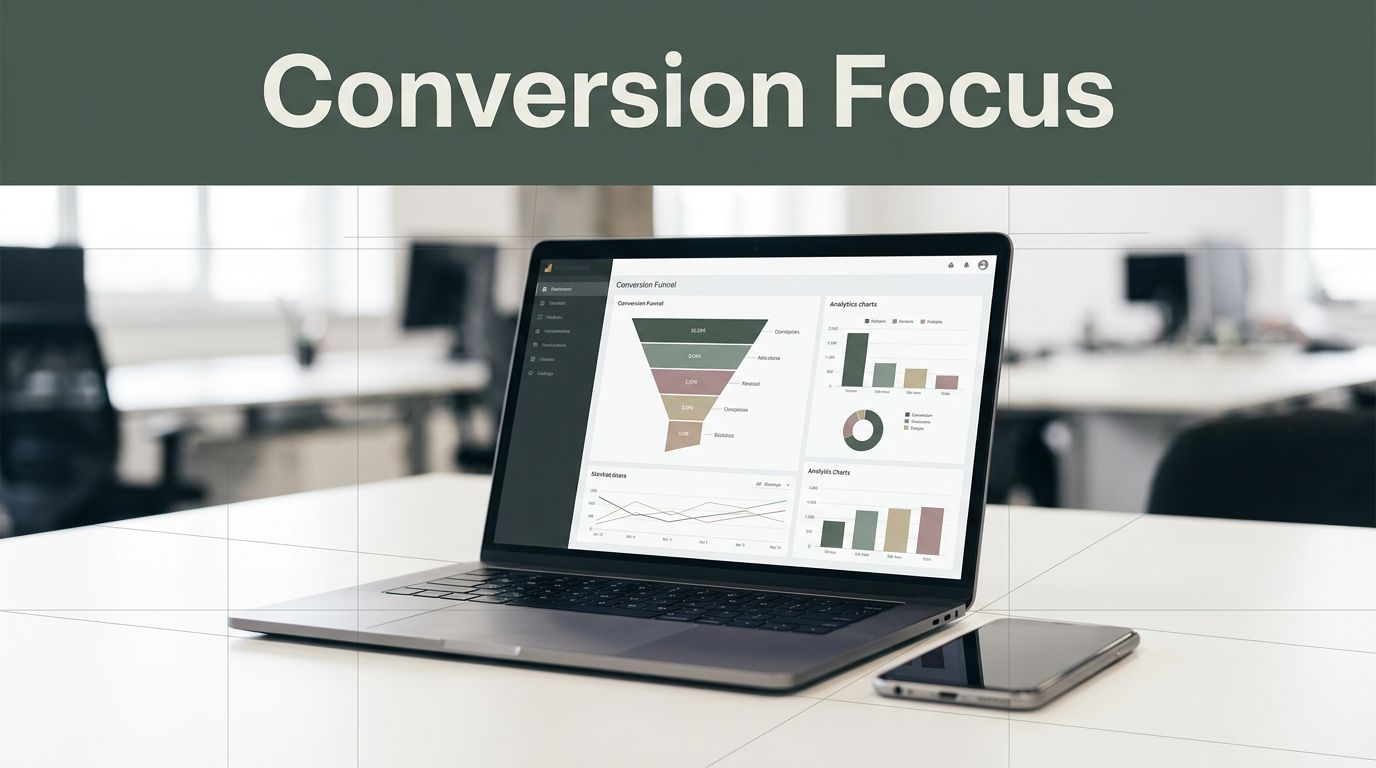
Monitor organic traffic to high-intent pages, lead form submission rates, phone calls from organic visitors, and revenue attributed to organic leads.
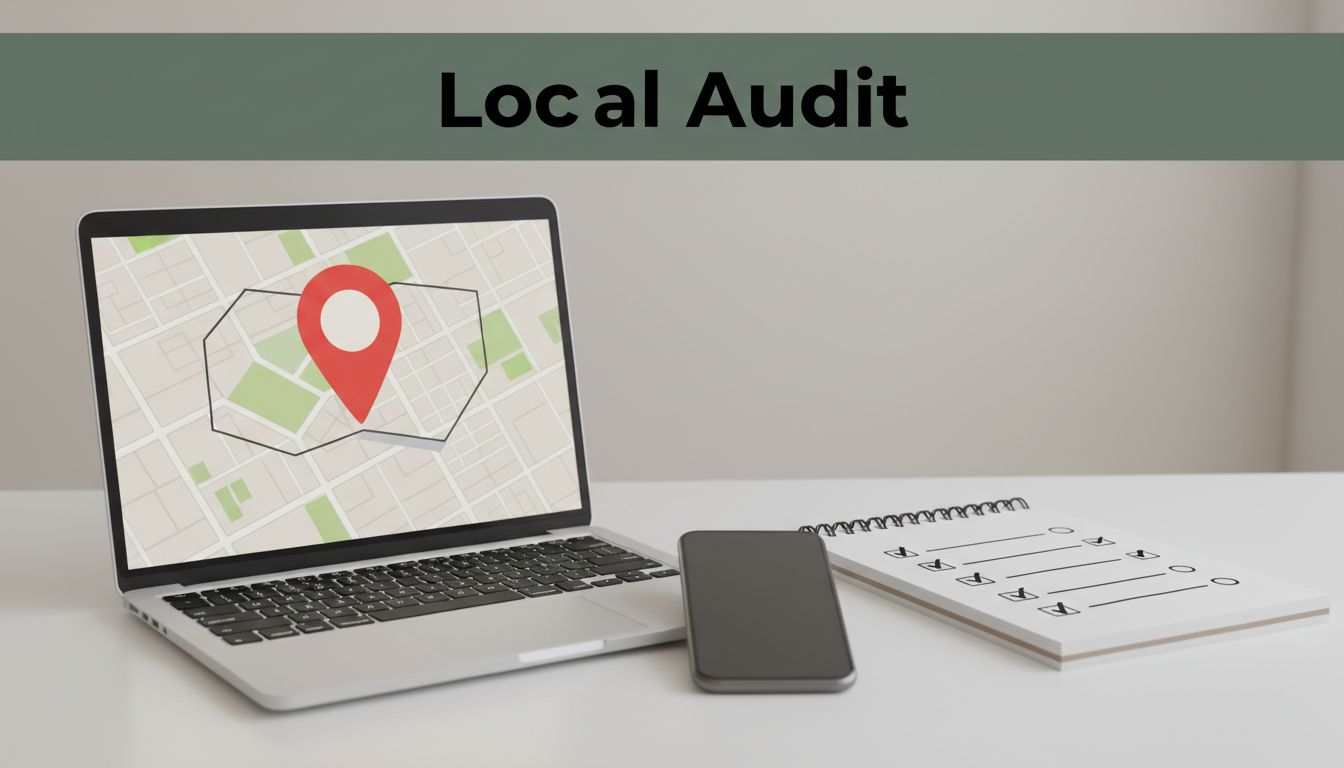
Run monthly audits to spot pages that rank well but convert poorly. Identify keywords driving traffic but producing unqualified leads. Test new CTA placements and form variations.
Document changes and their impact so you build a playbook of proven tactics specific to your business.

Your Next Move
Start with the first three steps within the next two weeks: define your ideal customer, research high-intent keywords, and fix critical technical issues.
These foundational actions create immediate improvement.
Then move through steps four through eight systematically over the following 60-90 days. Focus on optimizing your highest-traffic pages first because small improvements there deliver the fastest results.
Track your progress weekly. Identify what works. Adjust what doesn’t.
And watch as your website transforms from a digital brochure into a lead-generating machine that works while you focus on serving customers.
Want Us to Build This System For You?
Look, you can do all this yourself if you want. I’ve given you the complete blueprint.
But if you’d rather have experts handle it while you focus on running your business, we’d be happy to help.
No pressure. No aggressive sales tactics. Just results. the hard-hitting sales language.
Schedule you no-cost consult at: https://calendly.com/mdrobes