AI phone answers are no longer sci‑fi. Small teams and growing companies are using voice agents to pick up every call, qualify leads, and book appointments so people on the floor can focus on customers. In this article you will learn how an AI voice receptionist fits into your sales and service stack, the real benefits and tradeoffs, and practical steps to deploy one without breaking your brand voice.
Why businesses are adopting AI voice receptionists
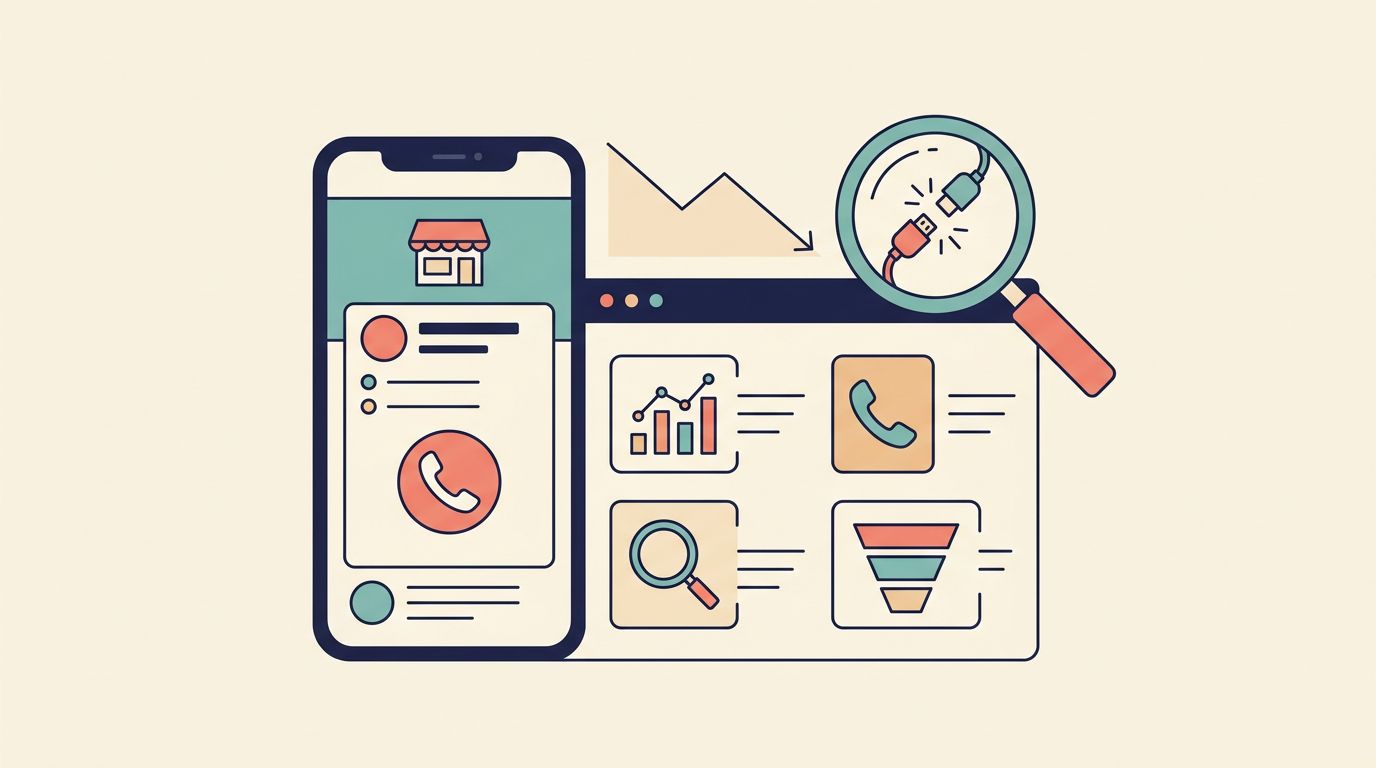
Here is the thing, missed calls cost customers and revenue. An AI voice receptionist answers every inbound call, routes or schedules in real time, and logs the interaction in your CRM, day and night. That means fewer lost leads and better follow-up, without hiring more staff. Several vendors and platform providers now offer turnkey voice agents built for small businesses and enterprises, including calendar and CRM integrations for automated scheduling and lead capture. For larger vendors, the goal is the same, answer more calls and convert more of them into booked appointments or qualified leads. (See Zoom’s enterprise Virtual Agent and other vendor announcements for context.)
What an AI voice receptionist actually does:
24/7 call answering and caller greeting, with natural-sounding TTS voices.
Live qualification: asks key intake questions, captures details, and determines intent.
Appointment booking and calendar sync with systems like Google Calendar or Calendly.
Instant SMS or email follow-up while the caller is still on the line.
CRM logging, call summaries, and analytics for conversion tracking.
These capabilities turn calls into measurable pipeline activity instead of voicemails. Vendors also emphasize multilingual support and predictable monthly pricing for small businesses.

Business benefits, in plain terms
Stop losing leads after hours or during busy windows. You capture callers who would otherwise hang up or go to voicemail.
Reduce labor costs, since AI covers overflow and after-hours without overtime or hiring.
Faster response and booking means higher conversion rates for same inbound volume.
Better data and consistency, because every call is logged and summarized, reducing human error.
Real-world platform rollouts show clear efficiency and scheduling gains for clinics, home services, restaurants, and professional services. Major communications platforms have also launched voice agents that extend these benefits to larger deployments.
Common concerns and how to address them
Accuracy and caller experience, yes, matter. Choose vendors with high-quality speech models, short response latency, and a good fallback to human agents when needed.
Compliance, especially in healthcare or legal settings, needs HIPAA-capable vendors and encrypted call handling.
Brand voice: you must script the agent and tune tone so callers hear your brand, not a generic robot.
Data ownership and integrations: confirm who owns transcripts and how the system connects to your CRM and calendar.
How to choose the right AI voice receptionist
- Define the primary use case, for example, appointment booking, lead qualification, or order updates.
- Require calendar and CRM integrations that match your stack.
- Test voice quality and speed with real callers before full rollout.
- Check compliance and data security if you handle PII or health data.
- Compare pricing models, look for transparent monthly plans, not opaque “AI minute” billing.
Quick implementation checklist
Map typical call flows and the 3 most common caller intents.
Write short, brand-aligned scripts for greetings, qualifiers, and confirmations.
Choose 1-2 integrations (calendar, CRM) to enable before launch.
Run a 2-week pilot with live monitoring and human fallback enabled.
Measure: answered calls, booked appointments, qualified leads, and customer satisfaction.

FAQs
What is the difference between an AI voice receptionist and a call center or IVR?
An AI voice receptionist uses natural language understanding and conversational models to handle live conversations, not just menu-based inputs. It can qualify leads and take actions like scheduling, rather than routing callers into a queue.
Will callers know they are talking to AI?
Honesty is best for trust. Many vendors recommend disclosing that an AI is on the line, while designing the voice personality to be warm and helpful. Human fallback should be available for complex or emotional calls.
Can an AI voice receptionist book appointments directly into my calendar?
Yes, with the right integrations the agent can check availability and create events in real time, then send confirmations via text or email.
Is an AI voice receptionist secure for handling sensitive customer data?
Security varies by vendor. For healthcare or legal contexts, choose vendors that explicitly provide HIPAA compliance, encryption at rest and in transit, and clear data ownership policies.
How much does an AI voice receptionist cost?
Pricing models range from affordable monthly subscriptions for small businesses to enterprise licensing for large deployments. Compare features, integrations, and any per-call or per-minute charges when evaluating costs.
How do I measure ROI after deploying a voice agent?
Track calls answered, appointments booked, leads qualified, and missed-call reductions. Compare staffing and overtime savings plus conversion lift to the monthly subscription cost.
Can the voice agent handle multiple languages?
Many providers support multilingual responses or language detection. Validate supported languages and quality for your key customer segments.
Real vendor trends and market notes
Large communications platforms and software companies have been releasing virtual voice agents and concierge features to capture the front-desk use case, and standalone vendors target small business needs with turnkey setups and calendar integrations. Evaluate both established platforms and niche providers based on your volume, compliance needs, and integration requirements.
Ready to convert more calls and reclaim your time?
If you want help selecting or deploying an AI voice receptionist that mirrors your brand voice and integrates with your systems, we build and implement full-service solutions that include setup, on-page SEO and automation to maximize lead capture. Learn how we can help at https://earningcoachmarketing.com. Or schedule a call at https://calendly.com/mdrobes
Conclusion
AI voice receptionists are no longer experimental. They are practical tools that reduce missed calls, improve consistency, and free up staff to focus on higher-value work. Start with a clear use case, test with real callers, and prioritize integrations and compliance. With the right approach you can turn more phone conversations into customers, and make your small team feel larger and more capable.