As of April 2026, recent local search results updates haven’t changed the importance of strong fundamentals. If calls are slow, the cause is usually plain: bad business data, thin local pages, weak reviews, or a slow mobile site.
A local SEO audit, a cornerstone of any effective local SEO strategy, helps you find those leaks before they cost more leads. For small businesses, the goal is simple: improved search visibility in Maps, organic search, AI answers, and the places buyers check before they contact you, boosting your organic rankings.
Key Takeaways
- Audit your Google Business Profile first: verify NAP, categories, service areas, links, and add UTM tags for the fastest local SEO gains.
- Optimize website local signals with unique city/service pages, consistent NAP, schema markup, internal links, and strong Core Web Vitals for mobile performance.
- Ensure NAP accuracy across citations, directories, and backlinks while actively managing fresh reviews to build trust and prominence.
- Track local traffic conversions, run spam/competitor checks, and repeat the audit regularly to turn SEO into measurable revenue.
Audit your Google Business Profile before anything else
Your Google Business Profile often drives the fastest local SEO gains. Start there, because Google still leans on relevance, distance, and prominence when deciding who shows up in the local pack.

Work through the Google Business Profile in this order:
- Check that your business name, phone, website, hours, and map pin are right.
- Review your primary category first, then add only relevant secondary business categories.
- Confirm service area settings match where you truly work.
- Test every link, including booking, messaging, and website buttons.
If you travel to customers, don’t force a storefront setup you don’t have. If you serve a storefront, make sure the address and entrance location are correct, since listing accuracy is critical for appearing in Google Maps and the local finder. Also review services, products, attributes, Q&A, and recent photos. Old holiday hours and broken links quietly kill leads.
Add UTM tags to your website and booking links so traffic from the profile shows clearly in analytics. That’s a small fix, but it tells you whether profile clicks turn into calls or form fills. For extra benchmarking, this Google Business Profile checklist for 2026 is a useful reference.
A profile can look complete and still underperform if the wrong category or service area sends the wrong signal.
Don’t stuff keywords into your business name. Also keep posts fresh, add real photos, and reply to questions. Those updates won’t save a weak profile on their own, but they do support trust. Keeping the profile updated is essential for maintaining search visibility.
Check the local signals on your website
A strong profile gets the click. Your website has to finish the job.
In your local SEO audit, focus on on-page optimization and technical SEO. Each core service should have a clear page. If you target more than one city, each city or service-area page should offer real local value, not copied text with a town name swapped in. Good local landing pages include service details, FAQs, nearby landmarks, trust proof, and a clear contact path. When the audit turns up thin or duplicate pages, local SEO content pruning explains when to improve, merge, or remove them.
Use this quick check to spot common gaps:
| Website element | What to look for | What to fix |
|---|---|---|
| Title tags | Repeated titles across cities or services | Write unique titles with service plus city |
| Landing pages | Thin, duplicate, or generic copy | Add local proof, FAQs, photos, and service details |
| Internal links | Pages with no links from key sections | Link city pages from service pages, blog posts, and contact pages |
| Schema markup | Missing or incomplete markup | Add LocalBusiness structured data with NAP, hours, URL, and area served |
The takeaway is simple: every important page should say what you do, where you do it, and how to contact you. If Google has to guess, rankings usually slip.
Next, check your NAP accuracy on the site itself. Your footer, contact page, schema markup, and profile should all match. If you need help with structure, this local business schema guide gives a solid overview.
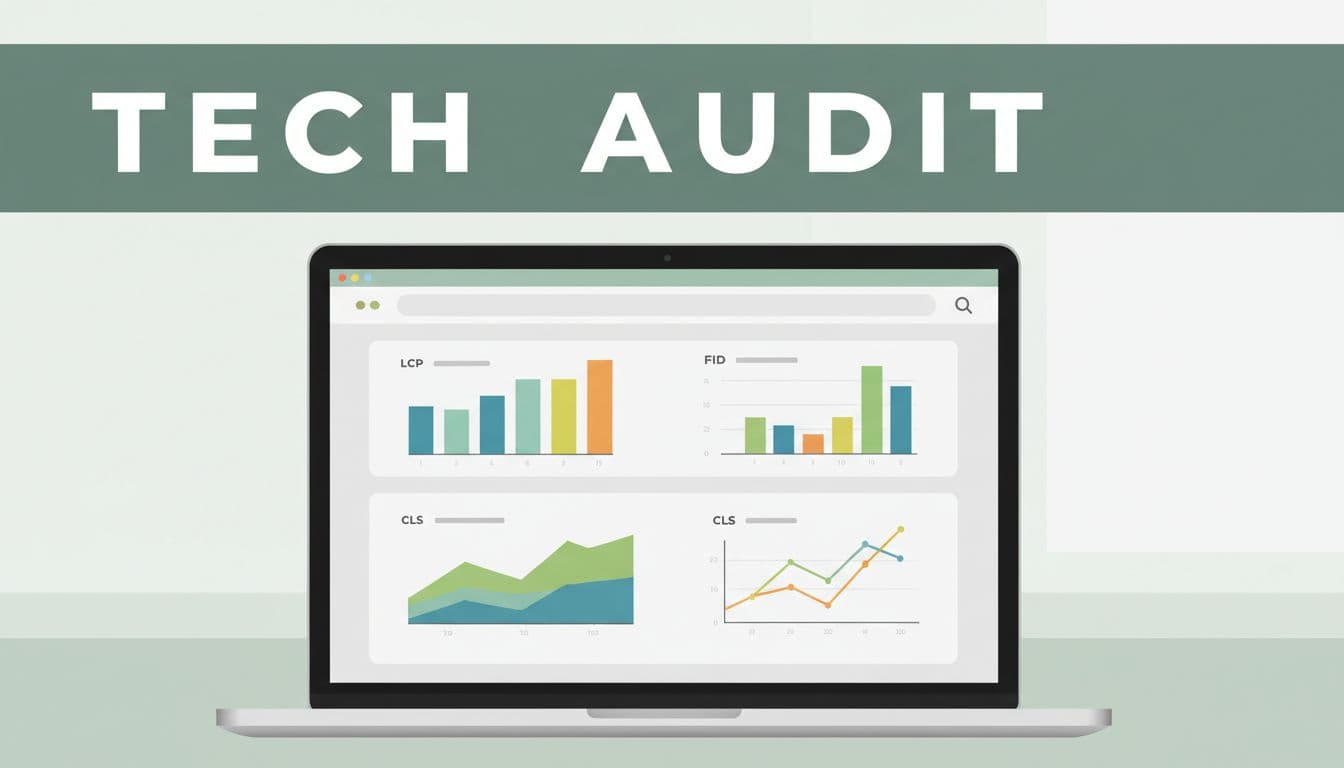
Then test mobile performance and usability. Look at load speed, image size, tap targets, form friction, and Core Web Vitals. Use Google Search Console to monitor performance and indexing. Local searches happen on phones, and many visitors arrive ready to act fast. If pages jump, lag, or bury the phone number, both SEO and conversions suffer.
Review citations, reputation, and what happens after the click
Think of citations as road signs. Poor NAP accuracy, like one pointing left and another right, makes Google trust them less.
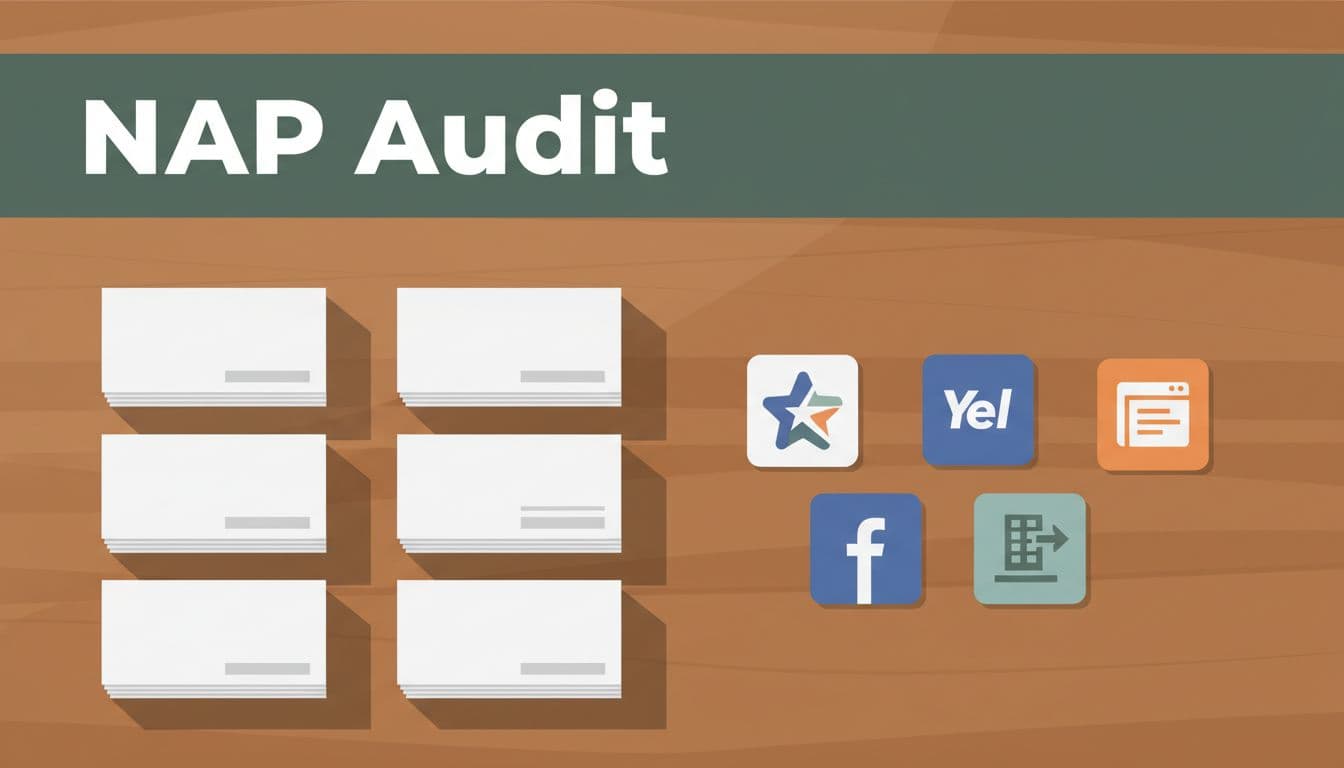
Audit your top citations first, then business directories, niche directories, chamber sites, and older mentions. Ensure NAP accuracy by comparing your business name, address, phone, URL, and hours exactly. Watch for tracking numbers, duplicate profiles, old suite numbers, and closed locations. Review your backlink profile for authoritative local links at the same time. This local citation audit guide is helpful if you need a cleanup process.
Online reviews need their own workflow. Ask after a completed job, usually by email or SMS while the experience is fresh. Send people straight to the review form. Reply to every online review, good or bad, within a set time window. Monitor your star rating closely as part of reputation management. Fresh reviews matter more than a dusty total count, and the words customers use can shape how people judge you in search, AI summaries, and even social media.
Also run a spam check and competitor analysis. Search your main service plus city and inspect the map pack. Note fake keyword-stuffed names, duplicate listings, or addresses that don’t appear real. Don’t copy those tactics. Document obvious abuse, then report it.
Last, track what local traffic does after it lands. Set up conversions for calls, forms, booked appointments, direction requests, and chat starts. Many teams now use AI tools like sentiment analysis to sort review themes or flag listing issues. That’s useful, but human review still matters. If you use chat bots or voice receptionists after hours, tag those leads separately so you know whether they book real work. If your audit uncovers too many problems at once, a No-cost discovery call can help you sort the first fixes.
A good local SEO audit isn’t a one-time cleanup. It’s a repeatable way to keep your listings, pages, reviews, and tracking aligned. This local SEO audit feeds back into your broader local SEO strategy to dominate local search results in Google Maps and local finder.
Most local losses come from small gaps, not one dramatic mistake. Fix the items that affect trust first, then measure what changes. That’s when SEO stops being a report and starts becoming revenue. If you want help turning findings into a clear action plan, Schedule Call.
Frequently Asked Questions
Why start a local SEO audit with the Google Business Profile?
Your Google Business Profile drives quick wins in Maps and local pack results due to its role in relevance, distance, and prominence. Check NAP, categories, service areas, links, photos, and posts first—old hours or broken buttons quietly kill leads. Add UTM tags to track if profile traffic converts.
How do you ensure NAP consistency in a local SEO audit?
NAP (Name, Address, Phone) must match exactly across your profile, website footer, contact page, schema, and citations. Audit top directories, niche sites, and old listings for duplicates, tracking numbers, or outdated data. Inconsistencies erode Google’s trust and local rankings.
What makes a good local landing page during a website audit?
Each city or service page needs unique content with local proof, FAQs, landmarks, trust signals, and clear contacts—no thin duplicates. Add LocalBusiness schema, internal links from key pages, and optimize for mobile with fast Core Web Vitals. Use Google Search Console to check indexing and performance.
Why manage online reviews as part of a local SEO audit?
Fresh reviews boost prominence, star ratings show in search/AI, and customer words shape perceptions. Ask for reviews post-job via email/SMS, respond to all within a set window, and monitor themes. A high volume of recent positives outperforms a static total count.
How often should you repeat a local SEO audit?
Treat it as a repeatable process—quarterly or after changes like new services/locations—to catch small gaps before they cost leads. Prioritize trust fixes first, track conversions, and measure ranking/revenue changes. It feeds your ongoing local SEO strategy for sustained visibility.