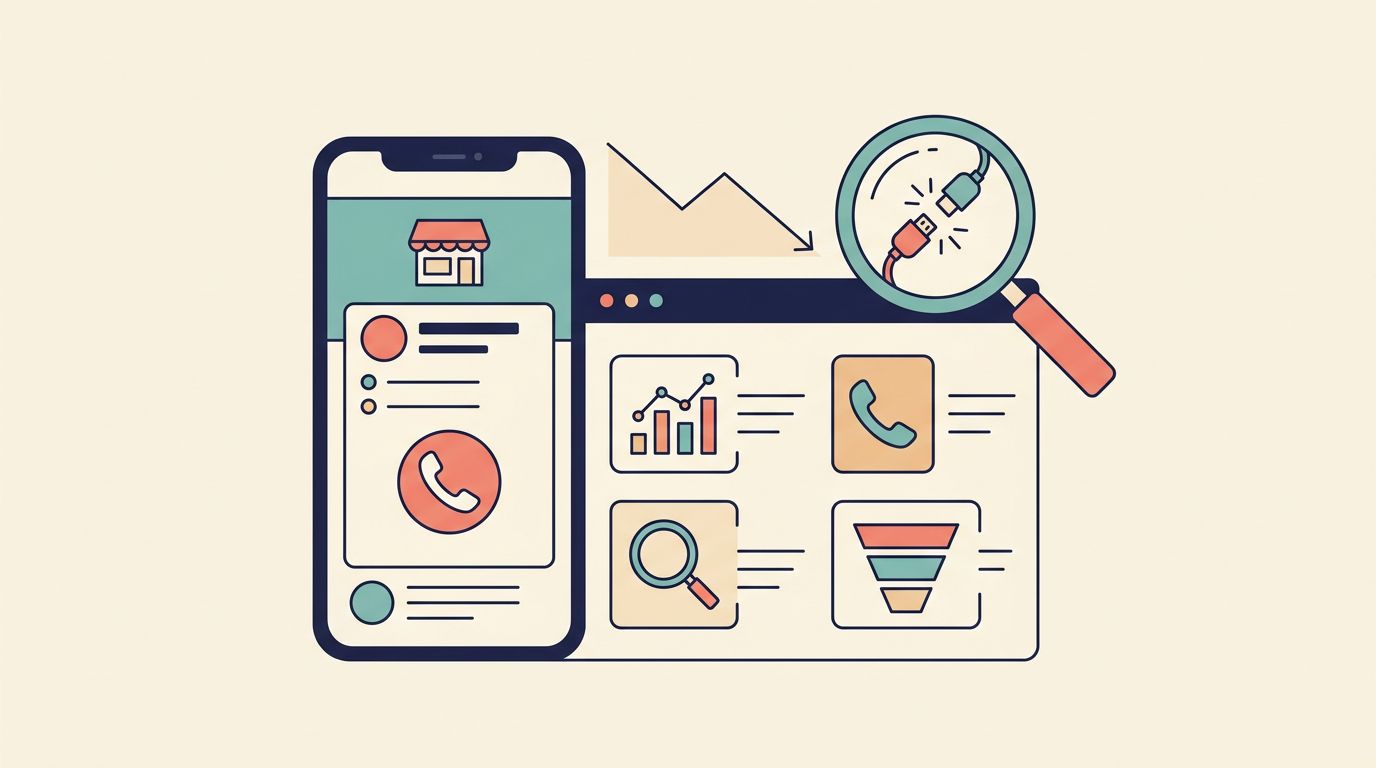
Front desk automation with an AI voice receptionist is software that answers business calls, speaks with callers, books appointments, shares basic information, and routes urgent issues without a staff member picking up every time. For many New Jersey businesses, a virtual receptionist like this matters because missed calls often mean missed revenue.
After-hours leads, lunch-hour spikes, and front-desk overload can pile up fast. As a result, owners often ask the same question: is this only a phone bot, or can it work like a real front-desk tool?
The answer depends on what it handles in daily use. That practical view starts with the call itself.
Key Takeaways
- AI voice receptionists provide 24/7 automated phone answering, handling greetings, routine questions, business info, and appointment booking to capture leads and reduce missed calls, especially after hours.
- Core capabilities include conversational AI for natural speech understanding, real-time calendar integration for scheduling/rescheduling, CRM syncing, multilingual support, and intelligent call routing to save admin time.
- Best suited for New Jersey service businesses like dental offices, med spas, law firms, and contractors, cutting no-shows by up to 25% and managing overflow without double-booking.
- Hybrid approach excels: AI manages predictable routine tasks and lead qualification, seamlessly handing off complex issues like billing disputes or emergencies to humans.
What an AI receptionist actually does during a normal workday
On a normal day, an AI Voice Receptionist handles inbound calls directly. It understands the reason for the call, takes action, and knows when to pass the call to a person.
Managing Inbound Calls and Routine Queries
The first task is simple but important: Automated Phone Answering provides a 24/7 Answering Service for every call, day or night. That includes weekends, lunch breaks, and busy periods when the front desk can’t keep up.
Modern systems greet callers in a natural voice, then respond to routine questions. Common information often shared includes:
- Business hours and office location
- Parking and arrival instructions
- Basic service descriptions
- Current office status (open or closed)
That matters because voicemail often loses people. Many callers hang up instead of leaving a message, especially after hours. An AI voice receptionist reduces that drop-off and gives callers an answer while they’re still ready to act.
Automating Appointments and Scheduling
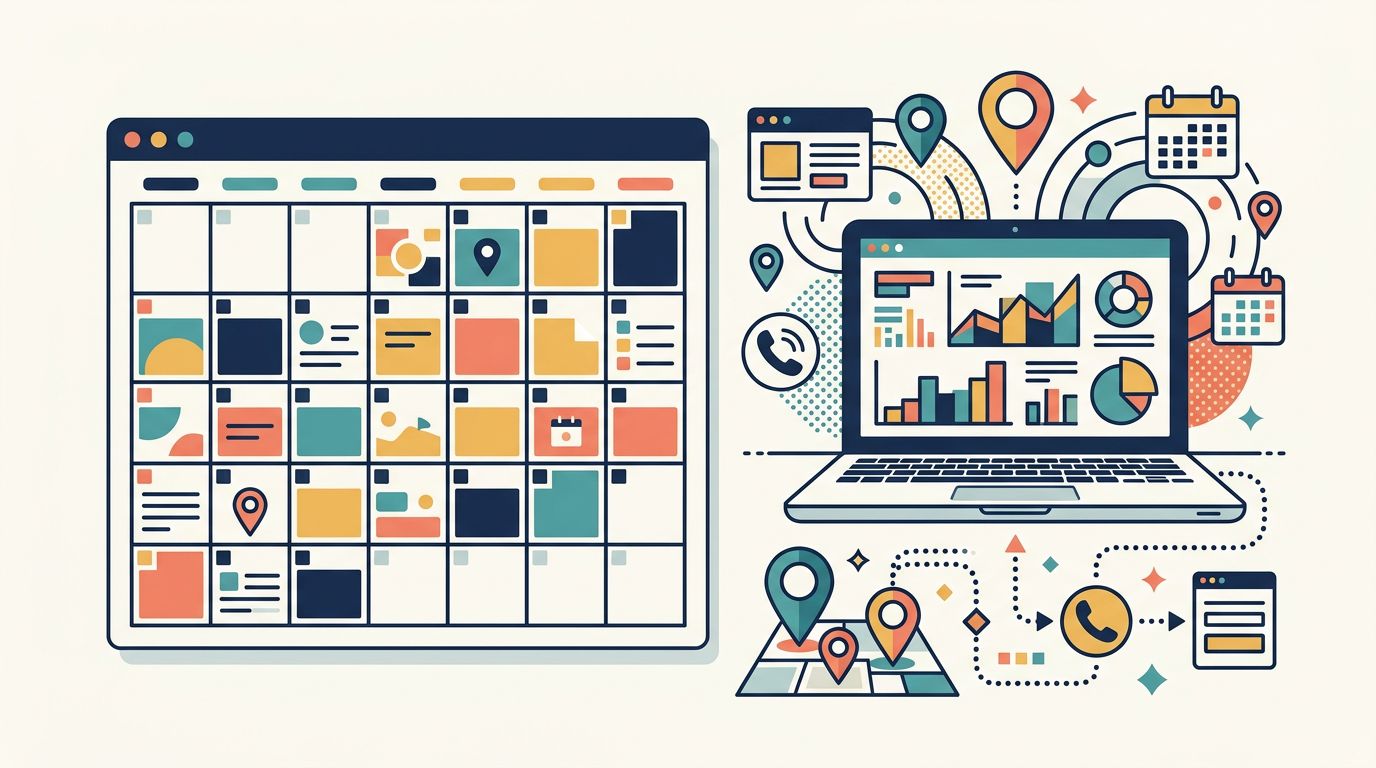
Appointment Scheduling is where many businesses feel the value fastest. The receptionist can check live availability in tools like Google Calendar, Outlook, or Calendly, then offer open time slots with Real-Time Booking. Core scheduling tasks include:
- Checking live calendar availability
- Booking new appointments
- Sending automated text confirmations
- SMS Follow-ups for appointment reminders
- Managing reschedules and cancellations
Because the calendar stays synced, it can help prevent double-booking. Some providers report reminder flows can reduce no-shows by up to 25%. For a dental office, med spa, or law firm, that means fewer back-and-forth calls. If you want to see whether this setup fits your workflow, a No-cost discovery call is a practical next step.
The features and capabilities that make an AI receptionist useful
Daily tasks matter, but the real buying decision comes down to capability. A strong virtual receptionist platform needs conversational AI for conversation quality, clear call routing rules, and the right software connections.
Core Technology and Intelligent Routing
A useful system doesn’t force callers through stiff scripts. It should understand normal speech with Natural Language processing, caller intent, short follow-up questions, and a human-like voice. Call routing logic is just as important, with calls generally moved by:
- Call topic or department
- Call urgency
- Specific office location
- Individual team member
Multilingual Support also matters in New Jersey. English and Spanish coverage can improve caller comfort and reduce friction for many local businesses. Still, hard or sensitive calls should transfer to a live person without a fight.
The best system removes repetitive phone work first, then hands off the calls that need judgment.
Platform Integrations and Workflow Connectivity
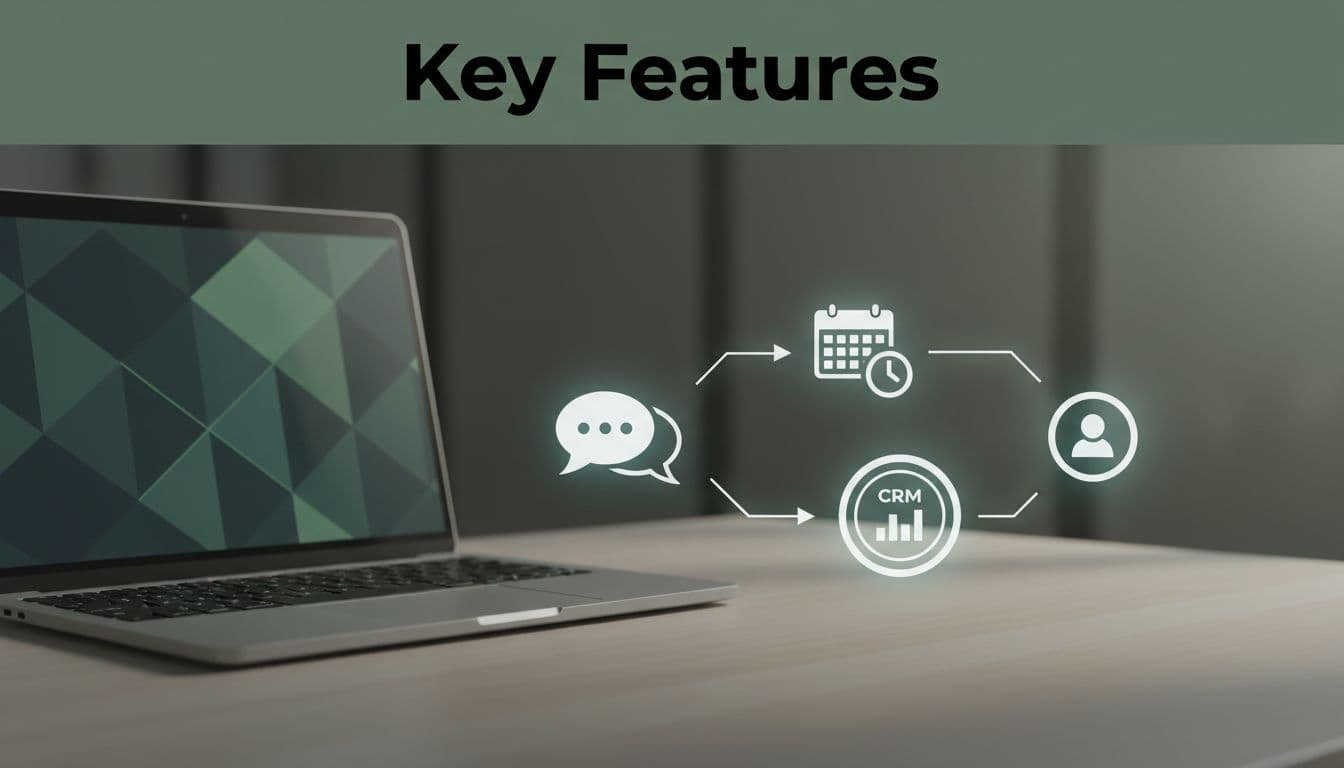
Software links are where an AI receptionist becomes more than a voice on the line. Essential integrations typically include:
- Phone and VoIP systems
- Scheduling and calendar platforms
- CRM Integration for lead management
- Web forms and databases
- Custom APIs for specialized tools
Setup is simplified with a No-Code Builder. In practice, that means fewer manual notes and fewer lost leads. Sales and service teams can review call transcripts, intake details, and a Knowledge Base before they call back.
Where a Voice AI Agent helps most, and where a human should still step in
A voice AI agent works best when the call flow is frequent, predictable, and time-sensitive. That makes it strong for many local service businesses, but it still has limits. Acting as a virtual answering service, it excels at managing inbound calls around the clock.
Industry Applications for Local Teams
For New Jersey owners, the best fits are businesses with steady call volume and routine front-desk tasks. Common industries include:
- Med spas and dental offices (with full HIPAA Compliance)
- Law firms
- Contractors and home service companies
- Real estate teams
- Local agencies
These teams benefit because calls arrive all day, often after hours, and sometimes across more than one location. In those settings, the voice AI agent can handle lead capture and lead qualification, manage overflow through intelligent intake, make outbound calls for follow-up, and keep appointment volume moving even when staff is busy with in-person customers. This setup reduces operational costs while improving the customer experience, backed by valuable call analytics.
When to Transition to Live Support
Some calls need empathy, judgment, or problem-solving that software should not fake. Issues best handled by humans include:
- Billing disputes
- Emotional complaints
- Urgent emergencies
- Complex or high-value sales calls
The best setup is usually hybrid. The voice AI agent handles routine calls first, gathers the basics, and transfers live when the situation calls for it. That approach protects staff time without trying to replace every front-desk role. If your team misses calls, spends too much time on scheduling, or struggles after hours, a voice AI agent may be worth testing. If you want EarningCoach Marketing is offering a no-cost trial, Schedule Call and solve the missed call issue today.
Frequently Asked Questions
What does an AI voice receptionist actually handle on a daily basis?
An AI voice receptionist answers every inbound call 24/7, greets callers naturally, shares basic info like hours and location, and books or reschedules appointments via live calendar sync. It sends SMS confirmations and reminders to cut no-shows. Routine tasks free up staff from repetitive calls while capturing leads that might otherwise be lost.
Can it integrate with my existing calendars, CRM, and phone system?
Yes, strong systems connect seamlessly with Google Calendar, Outlook, Calendly, CRMs, VoIP phones, and custom APIs using no-code builders. This syncs availability in real-time, logs call transcripts and intake details directly into your tools, and reduces manual data entry. Setup ensures no double-bookings and easy lead handoff to your team.
Which businesses benefit most from an AI voice receptionist?
Local service providers in New Jersey like dental offices, med spas, law firms, contractors, and real estate teams see the biggest gains due to steady call volumes and after-hours leads. It handles lead capture, qualification, and overflow intelligently, improving customer experience while lowering operational costs. Multi-location teams also benefit from consistent routing.
When does the AI transfer calls to a human receptionist?
The AI hands off calls needing empathy, judgment, or complexity, such as billing disputes, emotional complaints, emergencies, or high-value sales. It gathers key details first via intelligent intake for smooth transitions. This hybrid model protects staff time by prioritizing routine interactions.
Schedule Call and solve the missed call issue today.