Google Map Pack listings and organic search results serve different roles for local service businesses—Map Pack targets immediate, location-based needs with quick contact options, while organic results support research and brand building through detailed content. A balanced local SEO strategy uses both channels aligned with user intent to capture leads at every stage of the customer journey. Optimizing your Google Business Profile and website content together maximizes visibility and conversions.
A homeowner with a leaking roof does not browse search results the same way as someone researching roofing materials. One person wants a phone number right now. The other may read three articles before contacting anyone.
That difference defines the Google Map Pack vs organic results comparison for local service businesses. Both placements can create leads, but they attract people at different moments and require different work.
The strongest plans do not treat this as an either-or choice. They put effort where customer intent, competition, and business goals make the most sense as part of a comprehensive local SEO strategy.
Key Takeaways
- The Google Map Pack is built for nearby, action-ready searches such as “plumber near me” or “electrician in Lakewood.”
- Organic search results support broader research, service questions, location pages, and long-term brand visibility.
- A complete, accurate Google Business Profile is the foundational starting point for improving your Map Pack visibility.
- High-quality service pages, informative content, and optimized technical SEO work together to boost organic rankings and improve conversion rates.
- Track phone calls, form leads, booked jobs, and overall lead quality instead of focusing exclusively on search rank positions.
How Map Pack and Organic Search Results Appear
Google often displays local results in multiple areas across the Search Engine Results Page. The familiar Local 3-Pack usually contains a map and three nearby businesses. It typically appears above traditional organic listings, especially for searches with strong local intent.
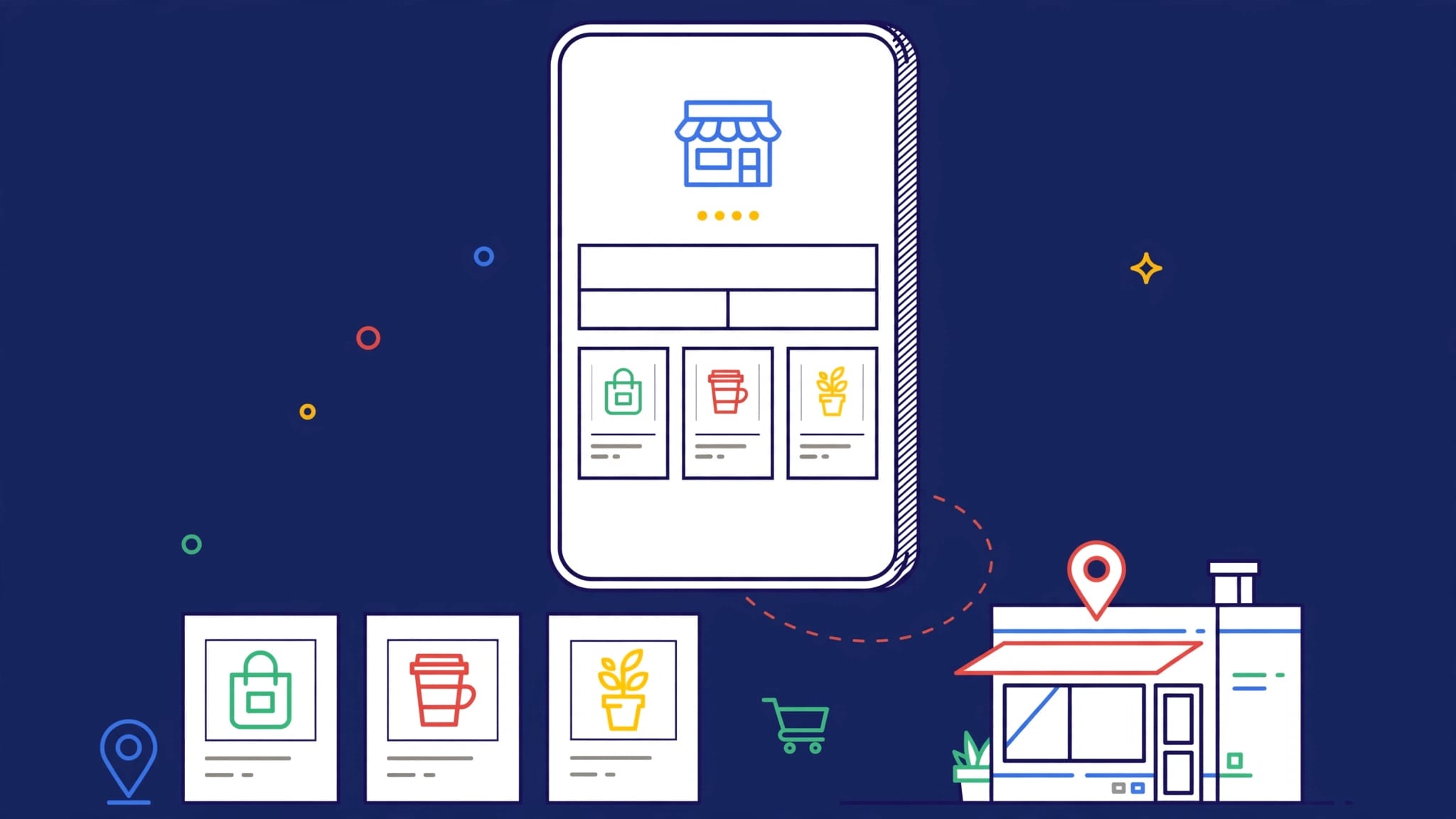
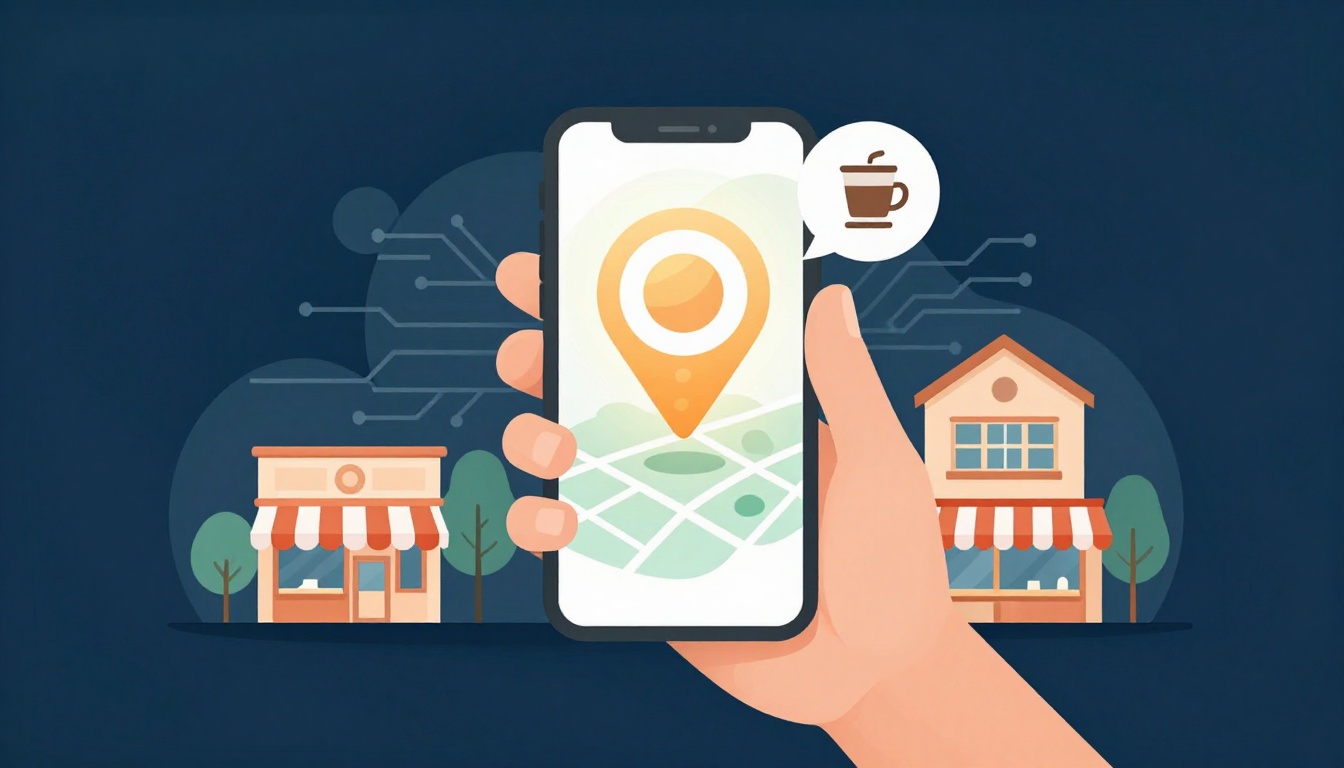
For example, a search for “emergency HVAC repair near me” often triggers a Local 3-Pack because the query carries clear local intent. This display provides a map, business listings, ratings, hours, and call buttons, allowing a user to compare options without visiting a website first.
Organic results appear below or around these elements. They include standard website listings, service pages, articles, directory pages, and sometimes local landing pages. A search for “why is my air conditioner blowing warm air” is more likely to show informational organic results that help the user troubleshoot the issue.
The difference matters because each result type supports a different customer need.
| Search Feature | Google Map Pack | Organic Results |
|---|---|---|
| Best for | Immediate local service needs | Research, comparisons, and service education |
| Main asset | Google Business Profile | Website pages and content |
| Typical actions | Call, request directions, view online reviews | Read, submit a form, explore services |
| Key trust signals | Proximity, accurate details, reviews | Helpful content, page quality, links, local visibility |
| Measurement tools | Business Profile Performance | Google Search Console, lead generation, and GA4 |
The Local 3-Pack can create fast action. Organic visibility gives your business more space to explain your expertise, services, pricing factors, and service areas.
A Local 3-Pack listing gets attention. A useful website helps turn that attention into a qualified lead.
Why User Intent Should Guide Your Priorities
Understanding user intent is the primary reason behind any query. It should shape how you divide your time and budget, as aligning your strategy with user intent ensures you meet potential clients exactly where they are in their buying cycle.
A customer searching for “water heater repair near me” likely needs assistance immediately. In this scenario, Map Pack placement on the Search Engine Results Page is critical because the searcher will often contact the first trustworthy business with strong reviews and clear operating hours.
Conversely, someone searching “how long does a water heater last” is in the research phase of the decision process. An organic article or service page can answer their question, build brand authority, and keep your company top of mind for when they eventually need replacement work.
Local service businesses often lose opportunities by treating every keyword the same. A high-volume informational topic might bring traffic, but it rarely translates to calls, whereas a lower-volume emergency service query may lead directly to booked work.
Use Google Search Console to identify the specific searches currently driving traffic to your pages. Review your total impressions, clicks, average position, and click-through rates. Then, compare that data with the actual number of calls, form submissions, and closed jobs recorded in your CRM.
Social media can also support both paths by reinforcing your brand visibility. Sharing local project photos, customer testimonials, review highlights, and service updates strengthens brand familiarity, which directly impacts how users engage with your business based on their user intent when they search for you later.
A Simple Framework for Dividing Local SEO Effort
Start with three business questions before reviewing reports to inform your local SEO strategy:
- Which services create the strongest profit and lead quality?
- Which cities or service areas need more qualified calls?
- Where do customers leave the journey before contacting us?
Those questions keep the work focused. They also prevent a common mistake: spending months improving traffic that does not help the business.
Put more effort into Map Pack visibility when your services are urgent, location-dependent, and frequently searched with “near me” language. Plumbers, electricians, locksmiths, restoration companies, HVAC contractors, and medical practices often fit this category.
Put more effort into organic rankings when customers need education before they buy. Remodelers, attorneys, financial advisors, custom home builders, and specialty contractors often benefit from detailed service pages, project galleries, cost guides, and FAQs.
Most established businesses need both. A practical starting allocation might look like this:
- Prioritize Map Pack work when local calls are the immediate goal and the service area is narrow.
- Prioritize organic rankings when you need visibility across several services, cities, or research-heavy searches to boost your lead generation.
- Balance both channels when customers commonly compare providers before calling.
Do not divide effort equally by default. Direct more time toward the channels that already bring leads, revenue, or clear growth opportunities.
If you are unsure where budget is being lost, a No-cost discovery call can help sort Map Pack issues from website and organic search problems.
What Improves Google Map Pack Visibility
Optimizing for Google Maps SEO requires more than a set-it-and-forget-it strategy. Mastering your Google Business Profile is the first step in influencing the core ranking factors of relevance, prominence, and proximity. To succeed, you must ensure your business information is accurate, manage online reviews proactively, upload authentic photos, and select the most accurate primary category.
Start with the fundamentals of NAP consistency. Your business name, address, and phone number should match perfectly across your website and major local citations. These local citations act as a digital signal of your authenticity. When you maintain accurate local citations, you reinforce your business details for search engines, whereas old suite numbers or outdated hours can confuse customers and diminish your authority.
Choose categories that describe your services accurately to boost your relevance. Google Maps SEO rewards precision rather than keyword stuffing. While you might be tempted to list every possible service, a focused primary category is far more effective. These ranking factors are tied to how well your category aligns with user intent, which is bolstered by the proximity of your office to the person searching.
Online reviews are a critical component of Google Maps SEO. A consistent flow of genuine online reviews signals prominence to Google. When you ask customers for feedback, their star ratings and comments directly influence your ranking factors. Always reply to feedback professionally, as managing online reviews shows potential customers that you are engaged and trustworthy.
Photos also play a role in your Google Business Profile success. Use real images of your team, vehicles, and completed work. While stock photos look polished, they fail to demonstrate local relevance. High-quality images paired with strong local citations help establish your presence in the community.
Finally, remember that Google Maps SEO extends to your own digital property. Mobile optimization is essential, as many users searching in the Map Pack are on the go. Ensure your website loads quickly, features clear contact information, and provides a seamless user experience. By building trust through local citations and focusing on the three pillars of relevance, prominence, and proximity, you create a sustainable strategy for long-term visibility.
What Improves Organic Rankings for Local Services
Improving organic rankings starts with pages that provide genuine value to meet real customer searches. Because your home page cannot explain every service, location, and customer concern in detail, you must build focused service pages for the work you want to sell. A page for drain cleaning should explain common problems, service details, and how to request help. High content quality ensures these pages do not read like generic templates with city names swapped in.
Strategic location pages also need real local relevance. Mention specific neighborhoods served, local conditions, types of properties, and common regional problems to prove your expertise. Beyond simple text, you should implement schema markup to help search engines understand your service data more effectively. When you focus on high content quality rather than thin, repetitive pages, you create a better experience that helps you climb the rankings.
Technical SEO serves as the foundation for this effort, ensuring your pages load quickly, function well on mobile devices, and feature clear internal links. To further boost your domain authority, prioritize consistent backlink building. Earning links from reputable local organizations or industry partners signals trust to search engines. Continued backlink building efforts, paired with a clean technical site structure, will help maintain your organic rankings over time.
Content should address the questions your sales team hears every week:
- What does this service include?
- What affects the price?
- When is repair better than replacement?
- What should a homeowner do before calling?
AI can help organize topic ideas, summarize call themes, or create first drafts. It should not replace local experience or careful review. Customers can tell when a page says nothing useful about their area or their specific problem.
Measure Leads, Not Just Search Positions
A number-one position does not automatically mean more revenue. Because of complex ranking factors, positions change based on location, device, search history, and the other results Google shows on the Search Engine Results Page. These ranking factors ensure that no two users see the exact same layout, making it dangerous to rely solely on vanity metrics.
Track the actions that actually move the needle for your business. For your local visibility efforts, review calls, website clicks, direction requests, messages, and review growth directly in your Google Business Profile. For organic SEO, monitor non-branded clicks, form submissions, booked calls, phone leads, and assisted conversions within GA4 and your CRM.
Check the full journey. A customer may find your business in the Map Pack, visit your website later, and then search your company name before calling. That is why your channel scorecards should show more than just last-click conversions.
Chat bots and voice receptionists can also prevent leads from slipping away after hours. While they do not directly influence search rankings, they are vital for converting traffic when a visitor is ready to ask a question, schedule service, or leave contact details.
For a clear review of local search performance, website conversion paths, and reporting gaps, you can Schedule Call time to discuss the highest-priority fixes.
Frequently Asked Questions
Can I rank in the Map Pack without a website?
Technically, yes, because your Google Business Profile acts as your primary digital storefront. However, most users will eventually visit your website to verify your credibility and service details, so lacking one will likely limit your conversion rates and long-term authority.
How long does it take to see results in local search?
Ranking improvements depend heavily on your competition, the accuracy of your business information, and your existing review profile. While some adjustments to your Google Business Profile can show effects within a few weeks, building organic authority and climbing search rankings is a long-term commitment that typically takes several months.
Is it better to focus on the Map Pack or organic SEO?
You should prioritize based on your specific business needs and customer behavior. If you provide urgent, location-based services like emergency plumbing or HVAC, the Map Pack is essential; if you offer consultative services that require research, such as remodeling or legal advice, investing heavily in organic content is more effective.
Put the Customer Journey First
The Map Pack and organic results are not competing assets. Instead, they serve as different entry points into the same customer journey.
A complete Google Business Profile can earn immediate attention when local urgency is high. Meanwhile, strong organic rankings build confidence when potential buyers need detailed answers before they take action. The most effective local SEO strategy connects both channels by utilizing a fast, mobile-friendly website and providing a clear way for clients to get in touch.
Focus your efforts on the searches that bring in qualified customers, and carefully measure what happens after the click. Improving your organic rankings helps establish long-term authority, while your Google Business Profile ensures you capture immediate demand. By balancing your focus between local visibility and higher organic rankings, you can turn search traffic into consistent, meaningful business growth.