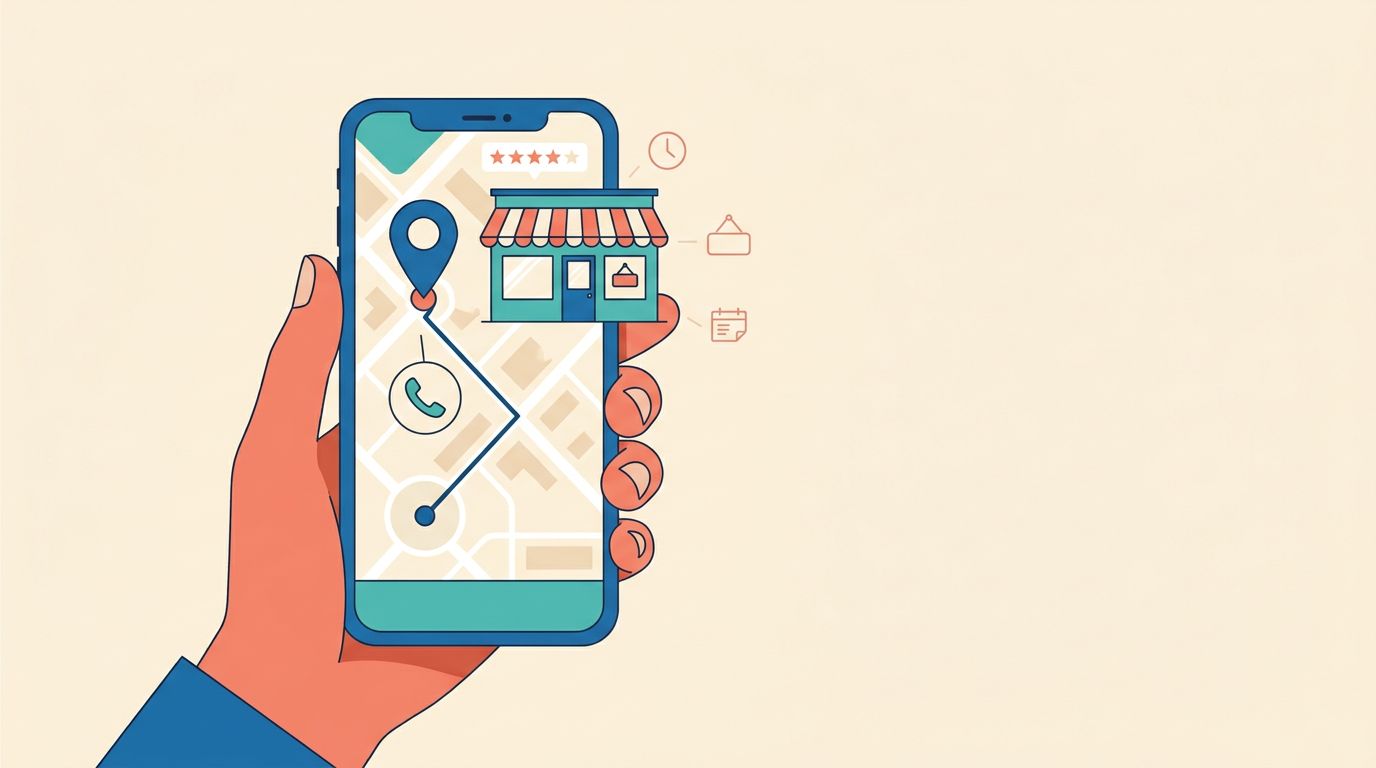
An AI voice receptionist helps ensure a ringing phone never goes unanswered, turning every call into potential revenue. By automating inbound calls, scheduling appointments, and qualifying leads 24/7, AI ensures you never miss a customer or lose business to a competitor while you’re busy running your operation.
In 2026, small businesses are losing as much as $126,000 a year from missed calls, with losses often landing around $345 per day across the year. That hurts because most owners can’t sit by the phone all day—you’re serving customers, managing staff, and trying to keep the day moving.
An AI voice receptionist gives you a 24/7 answering service to automate inbound calls, answer questions, and book appointments. Here’s how it works, why it matters, and what to look for before you buy.
Key Takeaways
- Small businesses lose up to $126,000 a year or $345 per day from missed calls, with 25-62% of calls going unanswered and 85% of callers not calling back—AI voice receptionists capture these leads 24/7.
- AI handles routine tasks like greeting callers, qualifying leads, booking appointments, and syncing with calendars/CRMs, freeing staff for high-value interactions while 78% of customers buy from the first business to respond.
- Pricing starts at $199-999/month, a fraction of hiring staff, with key features including natural language processing, SMS follow-ups, multilingual support, and easy no-code setup for immediate ROI.
- Use AI for speed and coverage on basics, but route complex/emotional calls to humans—protecting ad spend and revenue without overhauling your processes.
What an AI voice receptionist does, and how it helps you stop losing leads
An AI voice receptionist delivers human-like conversations through voice AI, serving as the first “person” callers meet, though it is not human. It answers right away, greets the caller, asks a few simple questions, and takes the next step based on your rules.
That means it can route urgent calls, perform lead qualification, capture leads, handle appointment scheduling, and cover after-hours calls when your staff is gone. More importantly, it protects the leads you already paid to attract through ads, SEO, referrals, and repeat business.
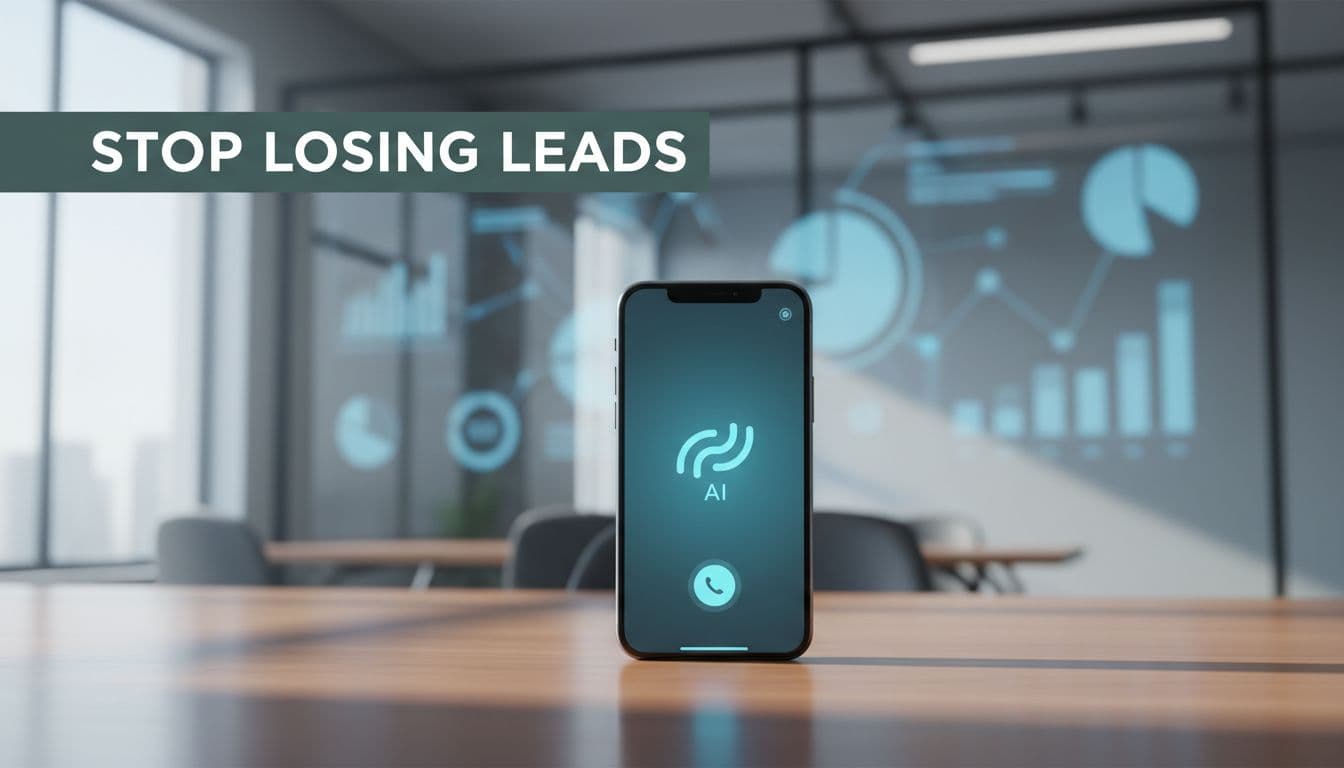
### The simple tasks it can handle without adding work for your team
Most businesses don’t need magic. They need help with the repeat tasks that eat up time and cause missed opportunities.
A good system can answer common questions, collect names and service needs, send a message to your team, qualify leads, and sync with your calendar or CRM. It can also confirm business hours, explain service areas, check business hours again if needed, and offer the next open appointment. Because it handles the basics, your staff can focus on the calls that need a human touch.
Why speed matters when a caller is ready to buy
Speed wins more often than most owners think. Recent data shows 78% of customers buy from the first business that responds.
That’s why fast response matters so much in home services, healthcare, legal, salons, and other local service businesses. When someone needs a plumber, dentist, attorney, or haircut, they usually won’t wait around. They’ll call the next number on the list. So an AI voice receptionist that helps automate inbound calls is not only about convenience, it improves customer experience and catches buyers while intent is high.
The real cost of a missed call, and why the numbers add up fast
Missed calls aren’t random small losses. They stack up quietly, then show up later as weak sales months and wasted marketing spend.
Recent 2026 data from real-time analytics paints a clear picture:
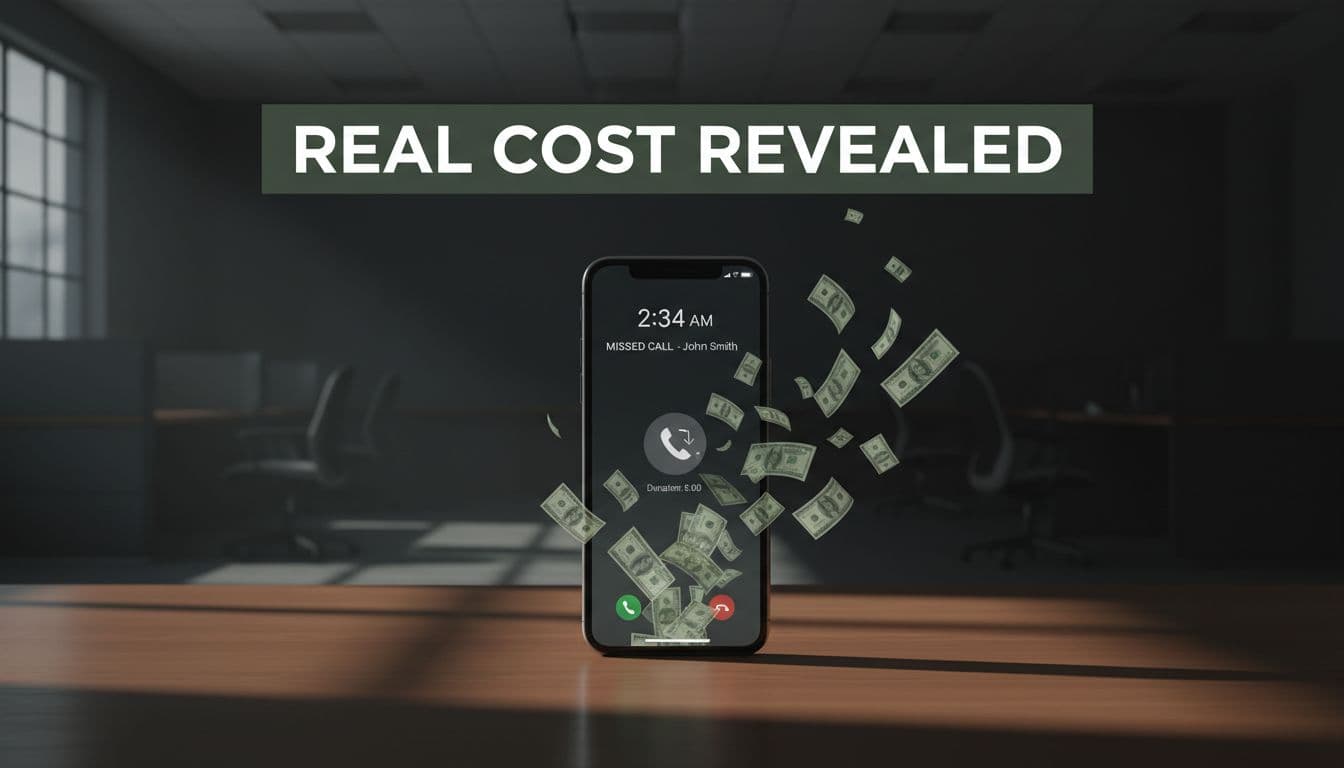
| Metric | What the data shows | | — | — | | Missed call rate | Many businesses miss 25% to 62% of calls | | Caller behavior | 85% don’t call back after voicemail or no answer | | Competitor loss | 62% may go to a competitor |
The takeaway is simple, silence costs money.
How one missed call can turn into hundreds, or thousands, in lost revenue
Think about a contractor who misses one call for a $450 job. If that caller hires someone else, that revenue is gone in seconds. A salon may lose not only one booking, but months of repeat visits. A dental office could miss a patient worth far more than the first cleaning because treatment plans often grow over time.
Now stretch that over a month. If your business misses 30 calls each month, the annual loss can reach $25,000 to $75,000 in high-value service categories. Some businesses lose even more. For example, recent reporting shows contractors can lose $50,000 or more per year from only two missed calls a day. That’s why silence costs money in high-value service categories, and Voice AI prevents it.
Every missed call is a sales risk, not just a phone problem.
A quick way to estimate what missed calls may be costing your business
You don’t need a spreadsheet to get a useful estimate. Use this plain formula:
weekly calls x 52 x missed call rate x conversion rate x average customer value
Say you get 40 calls a week, miss 25% of them, close 30% of good leads, and the average customer is worth $600. That points to a meaningful annual loss. Even if your numbers are lower, the total often surprises owners. As a result, the math can help you decide whether fixing phone coverage delivers strong ROI now, not later.
Frequently Asked Questions
What is an AI voice receptionist?
An AI voice receptionist uses voice AI for human-like conversations to answer calls 24/7, greet callers, handle basic questions, qualify leads, book appointments, and route urgent calls based on your rules. It integrates with calendars and CRMs, sends SMS follow-ups, and covers after-hours without adding work for your team. This protects revenue from missed calls in services like plumbing, healthcare, and salons.
How much are missed calls really costing my business?
Data shows businesses miss 25-62% of calls, with 85% of callers not calling back, leading to losses of $25,000-$75,000 annually or more in high-value categories like contracting. Use this formula for a quick estimate: weekly calls x 52 x missed rate x conversion rate x average customer value. For example, 40 weekly calls at 25% miss rate, 30% close, and $600 value reveals significant hidden costs.
What features should I prioritize in an AI voice receptionist?
Focus on 24/7 answering, professional natural language voices, appointment scheduling, lead capture, CRM/calendar sync, SMS follow-ups, and easy no-code setup for day-one impact. Look for multilingual support, call recordings, and industry compliance like HIPAA for healthcare. Avoid systems requiring major process changes—choose ones that fit your workflow.
When should I use AI vs. a human receptionist?
AI excels at first contact, overflow, after-hours, routine questions, and fast lead capture to win the 78% who buy from the first responder. Humans handle complex, emotional, or high-stakes calls needing empathy, like legal intakes or upset customers. The best setup uses AI for coverage and speed, with seamless handoffs to staff.
How to choose the right AI voice receptionist for your business
Once you see the cost of missed calls, the next step is picking a front desk automation or virtual assistant system that fits the way you already work. The best option should feel practical, not like a big software project.
That means looking past flashy demos and focusing on what helps on day one.
Pricing for an AI voice receptionist typically starts at a low monthly subscription fee, often ranging from $50 to $300 depending on your call volume and feature requirements. This is usually a fraction of the cost of hiring a full-time employee, offering a high return on investment by capturing leads that would have otherwise gone to voicemail. Most providers offer tiered plans so you can scale your coverage as your business needs grow.
Features that make the biggest difference on day one
Start with the basics that save calls right away:
- 24/7 answering, so after-hours callers don’t hit voicemail
- Professional AI voice powered by natural language processing, so the call feels easy and clear
- Appointment scheduling, call routing, lead capture, multilingual support, and call recordings in one flow
- SMS follow-ups, plus calendar and CRM integration connections
- Easy setup with a no-code builder and dashboard visibility that works with your current process, plus outbound calls and web chatbot integrations
For specialized needs, look for HIPAA compliance if you’re in healthcare, or industry-specific knowledge for fields like legal or real estate. In other words, the tool should fit your business, not force a full rebuild. If your team has to change everything just to use it, adoption will suffer.
When AI works best, and when a human should still step in
AI works best for first contact, overflow calls, after-hours coverage, routine questions, and repeat inquiries. It’s strong when callers need fast help, simple scheduling, or a quick handoff.
Still, people matter in complex, emotional, or high-stakes calls. A legal case intake, a worried patient, or an upset customer may need empathy and judgment that software can’t match. So the smart approach is not AI instead of people. It’s AI for speed and coverage, with staff stepping in where conversation matters most.
Missed calls don’t wait for a better time, and neither do buyers. A strong automated phone system like an AI voice receptionist helps close that gap by answering fast, protecting ad spend, and giving callers a better first experience.
If you’re looking at phone coverage as a revenue issue, not only an admin issue, now is a good time to act. You can Schedule Call to talk through fit, or book a No-cost discovery call and see what missed calls may be costing your business today.