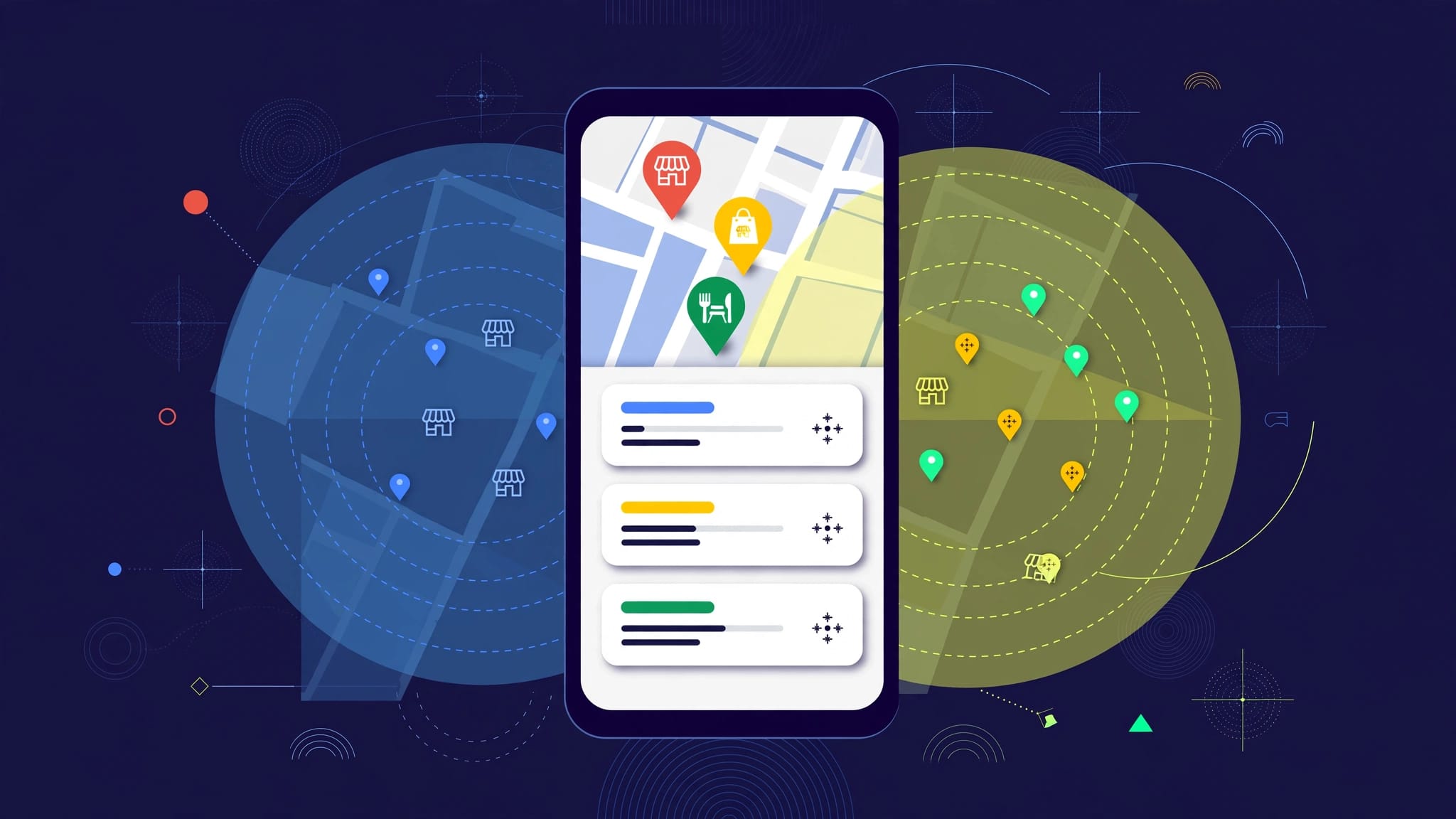
Local SEO can help new businesses gain visibility even without customer reviews by focusing on accurate business information, well-crafted local content, and a trustworthy online presence. Optimizing your Google Business Profile, maintaining consistent contact details, and ethically encouraging honest feedback build essential trust signals. This approach drives calls and leads while real reviews accumulate over time.
Zero customer reviews can make a new business feel invisible, especially when nearby competitors have years of feedback behind them. But local SEO for new businesses is not a waiting game where you do nothing until reviews arrive.
Reviews matter, but they are only one trust signal. Accurate business information, useful local pages, fast follow-up, and a trustworthy online presence can all support visibility in local search results before your first review appears.
Start by building the foundation a small business and its customers can trust.
Key Takeaways
- Local SEO for new businesses can build visibility before reviews arrive by combining accurate business information, useful local content, and a trustworthy online presence.
- A complete and correctly configured Google Business Profile should include accurate categories, services, hours, contact details, photos, and appropriate storefront or service-area settings.
- Consistent NAP information, relevant local citations, genuine service-area pages, and ethical local link building help search engines and customers verify the business.
- Ask every completed customer for honest feedback without incentives, review gating, or pressure to leave a specific rating.
- Track calls, leads, bookings, and other meaningful actions alongside search visibility to understand whether local SEO is supporting business growth.
Local SEO for New Businesses Starts With Trust Signals
Traditional search engine optimization often focuses on broad searches, such as “best accounting software” or “how to fix a leaking faucet.” Local search optimization focuses on geographic intent, including searches for services, stores, and professionals in a specific area.
Near me searches for an emergency plumber usually signal an immediate need. The searcher wants to know whether the business serves their area, when it’s open, and how to make contact.
Google explains in its local ranking guidance that local ranking factors center on relevance, distance, and prominence, which shape Local Map Pack visibility. Prominence reflects accumulated local authority, and reviews can contribute to it without replacing relevance or proximity.
Relevance begins with clear business details
Google needs to understand what you do. Customers do too.
Your category, services, website copy, photos, business hours, and contact information all establish that context. A new HVAC company should clearly state the services it provides, the neighborhoods it covers, and how customers can request help.
A vague profile with “contractor” as its only category will struggle to compete with a profile that accurately lists heating repair, air-conditioning installation, and maintenance services.
Reviews help, but they cannot fix weak basics
A business with 50 reviews may still lose leads if its phone number is wrong, its hours are outdated, or its website does not work on a phone. A business with zero reviews can still earn calls when its listing answers the questions customers have first.
A customer does not need a large review count to contact you. They need enough proof that you are real, available, and prepared to help.
A practical local SEO strategy builds these trust signals before chasing a larger review count. This is the kind of local SEO new businesses can maintain on a limited budget.

Set Up Your Google Business Profile Correctly
Your Google Business Profile is often the first place a local customer sees your business. A complete profile is a core local SEO asset that can support Google Maps visibility and help your business appear in the Local Map Pack. Your business may also appear in Google Maps, local results, branded searches, and mobile search results, without guaranteeing a specific position.
Create or claim a free Google Business Profile before spending money on complicated tools or broad advertising campaigns. Complete every field you can verify honestly.
Build a profile customers can act on
Use the most accurate primary category for your business. Add relevant services, current hours, a local phone number, a website link, and clear photos of your work, team, products, or storefront.
Keep the business name consistent with the real-world name customers see. Do not add extra city names, service keywords, or promotional language to force more visibility.
A practical setup checklist includes:
- Choose a primary category that describes your main service or product.
- Add only services you actually provide and can deliver locally.
- Upload recent photos that show your storefront, vehicles, staff, completed work, or products.
- Confirm holiday hours and regular hours before customers find an outdated listing.
- Complete verification as soon as Google requests it.
Storefront and service-area business setups differ
A storefront business, such as a salon, bakery, or retail shop, should show its address if customers can visit during the listed hours. The address must be real, staffed, and available to customers.
A service-area business, such as a mobile detailer, electrician, or cleaning company, should hide its address if customers do not visit that location. Set accurate service areas instead. Do not create a separate profile for every town you want to target. Separate profiles are appropriate only for genuinely eligible, staffed locations, such as distinct locations operated by multi-location businesses. Do not use virtual offices or mailing addresses as storefronts.
A hybrid business can show an address and service areas only when customers can visit the staffed location.

Make Your Business Information Easy to Verify
Search engines and customers look for consistency. If your website lists one phone number but your Google Business Profile shows another, people may hesitate. An old address in a directory can create the same concern.
Auditing NAP consistency, meaning your name, address, and phone information, is foundational local SEO work. It also supports reputation management because customers see the same facts across channels.
This is where local citations matter. A citation is an online mention of your business name, address, and phone number, often called NAP information.
Start with accurate local citations, not hundreds of listings
Begin with the places customers in your industry are most likely to use. That may include Apple Maps, Bing Places, Yelp, a local chamber of commerce, or a respected trade directory.
For a new restaurant, a relevant dining directory may be useful. For a law firm, a legal directory can carry more weight than an obscure general listing. Quality and accuracy matter more than creating hundreds of low-value citations.
Before submitting anything, create one approved version of your:
- Business name
- Address or service-area wording
- Primary phone number
- Website URL
- Hours and business description
Build pages that answer local customer questions
Your website gives you space to explain what your listing cannot, so create a clear service page for each major service. For local search optimization, use local landing pages only for locations you genuinely serve. Local keyword targeting should reflect real service-and-location language, not repeated city names.
A roofing company in Lakewood might have one page for roof repair and another for roof replacement. It could publish a useful page for nearby towns where it completes real work. Service-area coverage shouldn’t become thin town pages. For multi-location businesses, each real location needs accurate, differentiated information, service details, contact options, and local relevance.
Use LocalBusiness structured data guidance to help search engines understand basic business details on your site. Schema markup is code that labels LocalBusiness details for search engines. It helps search engines interpret information, but it doesn’t guarantee rankings.
Relevant local link building can come from a chamber, trade association, community organization, or credible local partner. Focus on building local authority, not paid, manipulative, or irrelevant links.
Earn Customer Reviews Without Breaking Google Policies
An ethical review process supports local SEO and is part of responsible reputation management. The goal is to make it easy for real customers to share honest feedback after a genuine experience, not to collect perfect reviews.
Google allows businesses to create and share a review link or QR code. Use it consistently, not selectively.
Ask every completed customer the same way
Choose a natural moment after the work is complete. A restaurant may include a QR code on a receipt. A home service company can send a short text or email after confirming the job is finished.
Keep the request simple:
“Thank you for choosing us. If you have a moment, we would appreciate your honest feedback on Google.”
Do not offer discounts, gifts, contest entries, or future service in exchange for a review. Do not ask for a five-star rating. Do not tell customers what words to use. Those tactics can create policy problems and weaken trust.
Review gating is also a bad practice. It happens when a business asks only happy customers for public reviews while sending unhappy customers somewhere else. Invite all customers through the same process.
Reply professionally when feedback arrives
Reply to positive reviews with a short, personal thank-you. Mention the service when it fits naturally, but do not paste the same response under every review.
For a negative review, respond calmly. Acknowledge the concern, avoid sharing private details, and offer a direct way to continue the conversation. Future customers often read your response as closely as the complaint.
Good review response protects trust by showing that the business listens and takes concerns seriously. Keep replies professional, specific, and focused on resolution.
Never ask friends, employees, or vendors to post reviews unless they had a real customer experience. A small number of genuine reviews is more valuable than a large number that looks manufactured.
Turn Local Visibility Into Calls and Leads
Getting found through local SEO is only half the job. The next step is making it easy for customers to call, request an estimate, or take another action while their need is still urgent.
Make the next step obvious on mobile
Your website should show a visible phone number, short contact form, service area, and clear call to action on every key page. Ask for only the details you need at first, such as name, phone number, email, and service request.
Use mobile optimization to check the experience on your own phone. Can you find the number in seconds? Can you request an estimate without zooming or completing an unnecessarily long form? If not, customers will leave.
Use automation to support fast responses
After-hours chat bots and AI voice receptionists can capture a customer’s name, service need, location, and callback number when your team can’t answer immediately. They should support human service, not create a frustrating barrier.
Set clear escalation rules. Route a plumbing emergency, missed appointment, or complex pricing question to a person instead of forcing customers through automation.
Consistent, active social media profiles reinforce that your business is operating and strengthen your online presence. Prompt message handling and accurate expectations also support reputation management by showing customers what to expect. Share completed projects, helpful tips, behind-the-scenes photos, and community involvement.
Treat social media as a supporting digital marketing channel, not the main success metric. Use it to build familiarity before customers need you.
Track Signals That Lead to Better Decisions
A small business should track progress, but not obsess over daily ranking changes. Its local SEO strategy should account for location, device, competition, and search behavior.
Review performance every 28 days. That period reveals trends better than daily fluctuations. Connect the numbers to real calls, booked jobs, store visits, and qualified leads.
| Metric | Where to track it | What it tells you |
|---|---|---|
| Calls, website clicks, and directions | Google Business Profile | Whether local visibility prompts action after someone sees your listing |
| Search impressions and clicks | Google Search Console | Which local queries and pages gain visibility |
| Form submissions and phone leads | GA4 or your CRM | Whether traffic becomes a real opportunity |
| Branded searches | Search Console or Google Ads | Whether more people are looking for your business by name |
| Assisted conversions | GA4 or CRM reports | Whether search helped a customer convert later through another channel |
From consistent locations and devices, compare Local Map Pack presence with Google Maps visibility. Treat both as observations, not guaranteed ranking metrics.
Use Search Console to connect impressions, clicks, landing pages, and organic search traffic with qualified leads. Traffic volume alone does not show whether visibility supports growth.
Compare local and organic data with calls, CRM outcomes, paid campaigns, and other digital marketing activity. This broader view shows which channels contribute to qualified opportunities.
An increase in impressions with a lower click-through rate is not always bad news. Your pages may appear for more searches while AI-generated answers, map features, or other result types change where clicks go.
Look at lead quality before judging performance. Fewer visits can still be a win if more visitors call, book, or buy.
If you need local SEO services, a No-cost discovery call can help prioritize work across your profile, website, reviews, and reporting. When you are ready to map the next steps, Schedule Call.
Frequently Asked Questions
Can a new business rank in local search without customer reviews?
Yes. Reviews are helpful, but relevance, distance, accurate business information, website quality, and customer experience also influence local visibility. A complete Google Business Profile and trustworthy local presence can help generate calls before the first review appears.
What should a new business include in its Google Business Profile?
Use the most accurate primary category and add the services, hours, phone number, website, and photos that customers need to make a decision. Storefront and service-area businesses should also configure their address and service areas according to how customers actually interact with the business.
How can a business get its first reviews ethically?
Ask every customer for honest feedback after a genuine purchase or completed service, using the same process for everyone. Do not offer incentives, request five-star ratings, tell customers what to write, or send unhappy customers through a separate review process.
Which local SEO metrics should a new business track?
Track calls, website clicks, direction requests, form submissions, booked jobs, and qualified leads in addition to impressions and rankings. Reviewing these signals over about 28 days provides a clearer view of progress than reacting to daily ranking changes.
Should a service-area business create a separate profile for every town it serves?
No. A service-area business should use accurate service areas and create separate profiles only for genuinely eligible, staffed locations. Virtual offices, mailing addresses, and duplicate profiles for nearby towns can create policy and trust problems.
Build Proof One Customer at a Time
Local SEO for new businesses does not require fake popularity or a large marketing budget. It requires accurate information, useful local content, and ethical review requests. It also requires reputation management through a customer experience that makes people comfortable contacting you.
Start with the signals you control. Then keep improving them as real customers, real questions, and real feedback come in.
A zero-review profile is temporary. Trust is built through consistent proof, not shortcuts.