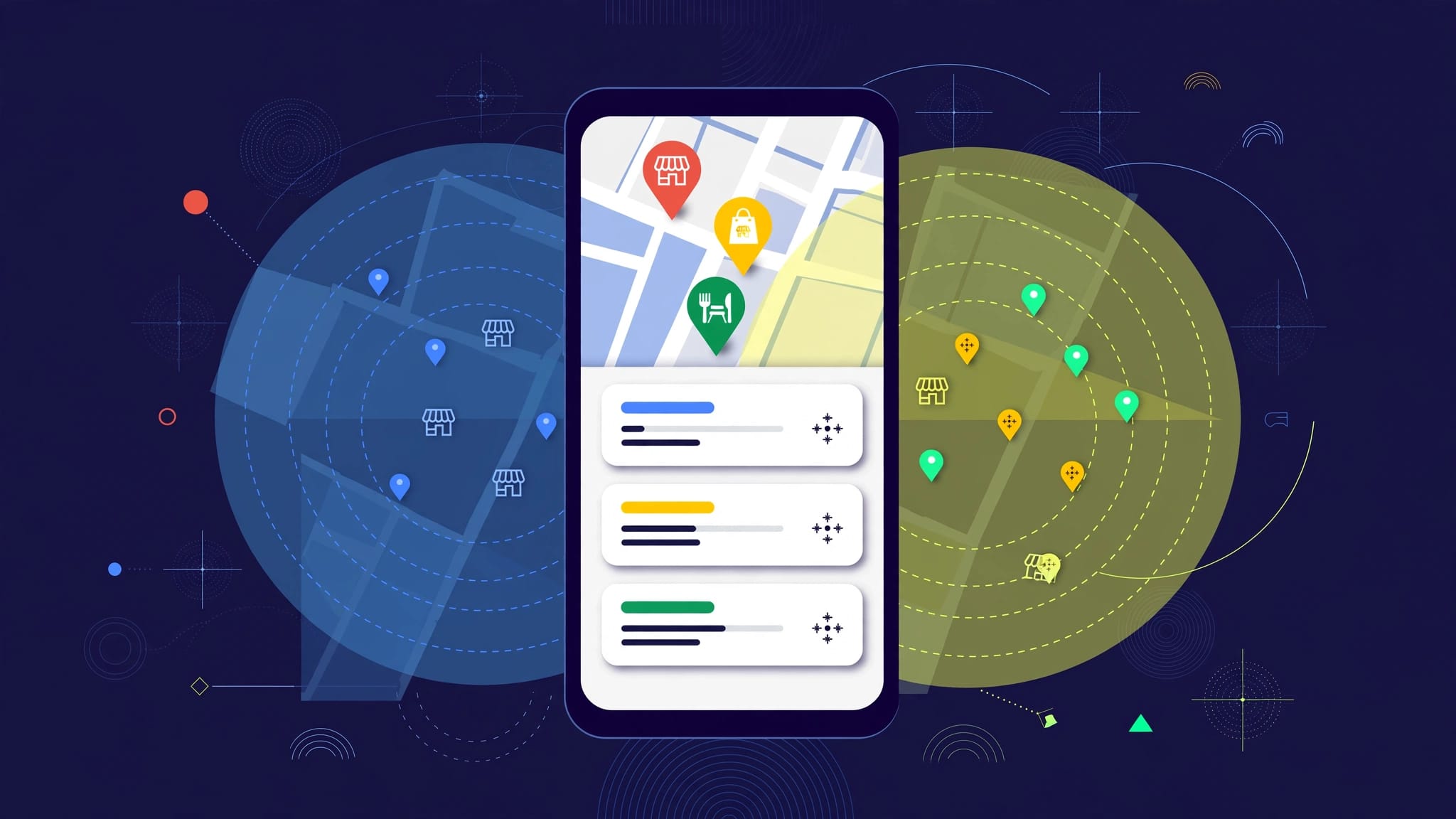
A search for a lawyer can turn into a consultation within minutes. If your firm has local visibility but the phone stays quiet, it isn’t doing enough. Local SEO for law firms should help the right people find your practice, understand what you handle, and reach someone who can respond.
That takes accurate listings, useful pages, and an intake process you can measure. Start by defining what a good inquiry looks like for your firm.
Why local SEO for law firms starts with qualified demand
Local search engine optimization helps your firm appear when someone searches for legal help in a particular area. That may be a Google Maps search for a family law attorney or a search for a personal injury lawyer near a city.
Google says local results depend mainly on relevance, distance, and prominence. You can clarify your services and build a stronger presence, but you can’t control where a searcher is standing. Rankings may differ across neighborhoods.
A qualified consultation request comes from someone whose legal issue fits your practice, location, and intake criteria. A phone call from an existing client is useful business activity, but it shouldn’t be counted as a new prospect. Set that distinction before judging any campaign.

Make your Google Business Profile accurate and useful
Your Google Business Profile often gives prospective clients their first practical details: what you do, where you work, and how to contact you. Claim the existing profile if one is present, then follow the verification options Google offers in your account. Don’t create a second listing because the first is difficult to access.
Describe the firm you operate
Use your real business name, correct office details, current hours, and a primary category that fits your practice. Add relevant services and authentic office photos. Check that the website link reaches a page where visitors can find the same firm and contact details.
Google’s business representation guidelines require an accurate address or service area. A remote mailbox isn’t a substitute for an eligible office. For firms with several offices, assess each location against Google’s rules rather than creating profiles for cities you merely serve.
Maintain the profile after verification
Review hours before holidays, update changed phone numbers, and check that consultation links work. Posts and photos can help visitors assess your firm; treat them as useful information, not guaranteed ranking tactics.
Assign one person to review the profile each month. That routine is easier to maintain than a rushed cleanup after a missed call or office move. If ownership and updates are scattered across the team, Google Business Profile management provides a useful framework for keeping those details current.
Build local pages that answer a client’s question
Your profile can earn attention, but your law firm website has to help a prospective client decide whether to contact you. Use keyword research to find local keywords that reflect prospective clients’ questions. Repeating a city name across near-identical pages won’t answer them.
Pair real services with real locations
Create local landing pages for meaningful combinations of practice area and market. A divorce page for a staffed office can explain the matters the firm accepts and its legal services. It should also describe the area served and how to request a consultation. Link it to the relevant attorney and contact pages.
If you serve several cities from one office, explain that service area honestly. Don’t imply you have an office in each city. Firms with multiple eligible offices also need distinct location details and a way to manage local search across locations with multi-location SEO, rather than sending every inquiry to one generic page.
Remove friction on mobile
Put a clear contact option near the top of each important page. Test the tap-to-call button, form, and scheduling path on a phone. Keep forms short enough to finish without asking someone to explain a sensitive matter in a public or unsecured field.
A page should make the next step clear. State whether the firm offers consultations, the practice areas it handles, and any meaningful geographic limits. Better-matched inquiries save intake staff time and give prospective clients a more direct answer.
Use reviews, citations, and local relationships to build trust
Prospective clients often compare several sources before contacting a lawyer. Conflicting addresses or unanswered reviews can create doubt, even when your website is strong.
Request reviews with confidentiality in mind
Ask clients for online reviews through a consistent process that follows your jurisdiction’s attorney advertising and solicitation rules. Don’t offer rewards for positive reviews or pressure a client to describe a private matter. When you respond, keep it general; don’t confirm confidential facts or reveal an attorney-client relationship.
Google says reviews and positive ratings can help local rankings. They also help people assess a firm. Neither benefit requires sharing case details. A brief acknowledgment with an invitation to contact the office privately may be the safest public response.

Correct important listings before adding new ones
Audit your name, address, and phone number (NAP) across local citations. Check your website, Google profile, Apple Maps, Bing Places, Yelp, and legal directories such as Avvo and FindLaw. Correct old numbers and duplicate listings first. NAP consistency matters more than identical punctuation in every business name.
Prioritize listings clients may use, and keep each local business listing accurate. A local bar association, chamber of commerce, or community organization may offer a relevant mention or link when your firm genuinely participates. Those relationships can strengthen your backlink strategy and local authority. Keep social media contact details accurate, but don’t treat posts as a replacement for your profile, site, and intake work.
Help search engines understand your site without chasing shortcuts
Technical SEO supports clear, accessible pages. It won’t compensate for inaccurate practice information or a broken contact form.
Keep structured information aligned
LegalService schema markup can describe your firm and its business details in a machine-readable format. Use facts that match the visible page, including the correct location and contact information. Test the markup after site changes.
Also check that search engines can reach your main practice and location pages. Google Search Console can help you spot indexing issues and see which searches bring visitors to your site. Neither schema nor indexing guarantees local search rankings or a position in the local pack.
Treat AI search as another place clients may encounter you
AI Overviews may change what searchers see before clicking, but their effect on consultation volume isn’t well established for law firms. Avoid promises that a certain page format will secure an AI citation.
Instead, publish accurate answers to questions your intake team hears often. Make attorney credentials, services, and office details easy to verify. Review actual search results periodically, including AI Overviews. Compare visibility changes with inquiries, and don’t assume every change came from AI.
What if your profile gets views but no calls?
A zero-call profile needs diagnosis, not another round of generic posting. Check whether the problem is visibility, contact access, or the response after someone reaches out.
Test the route a prospective client takes
Search for your firm on a phone. Confirm the displayed number, hours, website link, and appointment destination. Call the number and submit the form. Check where each inquiry lands and how quickly your team responds.
An unanswered call is an intake issue even if the listing performs well. Voice receptionists or chat bots may help route after-hours inquiries, but review their scripts, privacy practices, and escalation rules. People seeking legal help need a clear path to a human, especially for urgent or sensitive matters.
Compare exposure with intent
If the listing rarely appears for relevant searches, review its category, practice pages, and location accuracy. If it appears but gets little engagement, inspect the public details and contact path. If calls arrive but few qualify, review which services and areas your pages emphasize.
Check local rankings at several points across your market rather than relying on a single search from your office. A consistent grid makes local rank tracking more useful when distance affects results.
Measure the consultation funnel, not just clicks
Partners need to know whether local search work produces suitable matters. Connect search data to intake records to understand client acquisition. Then review each step between first contact and a signed engagement.
Track these stages together:
| Stage | Useful measure | Where to check |
|---|---|---|
| Discovery | Relevant searches and local visibility | Search Console and location-based rank reports |
| Contact | Calls and submitted forms | Profile data, website analytics, and call logs |
| Qualification | New inquiries that fit practice criteria | Intake system or CRM |
| Outcome | Consultations booked and matters signed | Calendar and case management records |
For law firm marketing, a month with more visits but fewer qualified consultations or signed cases needs investigation. Check whether leads came from the practice areas you want, whether calls were answered, and whether consultations were offered.
Add UTM tags to your profile’s website link so visits are easier to distinguish in GA4. Keep the firm’s established phone number consistent on core listings. If you use dynamic number insertion on your website, plan it so attribution doesn’t create conflicting public business details. A call tracking setup for local SEO can help connect phone activity to inquiry sources.
Record each new inquiry’s source when possible, practice area, office, qualification status, consultation date, and outcome. Search data alone won’t tell you which call became a client. Your intake records supply that missing piece.
Put the first 30 days to work
A focused review can reveal missed opportunities before you invest in more content or listings.
- Confirm profile ownership, verification status, categories, office details, hours, and contact links.
- Test the mobile contact path and document how calls and forms reach intake.
- Correct outdated details on major maps and the legal directories your clients may check.
- Review your leading practice and location pages for accurate services, useful answers, and clear consultation options.
- Establish a monthly report for qualified inquiries, booked consultations, and signed matters.
Keep a dated record of changes. If consultation requests improve, you’ll have a better basis for identifying what helped. If they don’t, the same record makes the next review more focused.
Key takeaways
- Accurate profiles and local pages help suitable prospects understand your firm before contacting it.
- Reviews and citations should build trust without risking confidentiality or creating misleading office information.
- Measure qualified consultations and signed matters alongside rankings, calls, and clicks.
Frequently asked questions
How long does local SEO take to produce consultations?
There’s no reliable timetable for a particular firm. Competition, location, existing visibility, and intake quality all affect results. Start with contact errors you can fix now, then compare qualified inquiries month by month.
Do law firms need a page for every city they serve?
No. Create a local page when you can give visitors useful, accurate information about services in that area. Avoid duplicate pages that swap only the city name or suggest an office that doesn’t exist.
Are directory listings enough to improve local rankings?
No. Accurate legal and map listings help people find consistent business details, but they work alongside your profile, website, reputation, and local relationships. Focus on relevant sources rather than the number of submissions.
Turn local visibility into better consultations
A prominent search result has limited value if the wrong people call or no one answers. Qualified demand depends on clear practice information, trustworthy local details, and a contact path that works.
Use intake outcomes to decide what to improve next. If you’d like help connecting your firm’s search visibility to consultation requests, book a No-cost discovery call.